Gastric bypass vs sleeve is the most common comparison in metabolic surgery because the two procedures account for the large majority of bariatric operations performed worldwide. Both are laparoscopic. Both are permanent. The two routes differ in what happens to the stomach; in whether the small intestine is rerouted; in the follow-up burden each creates for the rest of a patient’s life. This guide compares the anatomy; the long term evidence; the reflux picture; the nutritional monitoring each route demands. Candidacy is not decided here. That decision belongs to a multidisciplinary team after a full clinical evaluation.
Key Takeaways
- Sleeve gastrectomy removes part of the stomach. Roux-en-Y gastric bypass creates a small pouch plus reroutes the small intestine.
- Randomised long term evidence shows meaningful differences in reflux; in nutritional deficiency profiles; in diabetes trajectories.
- Neither operation is reversible in any practical sense although bypass anatomy can be revised more readily than a removed stomach can be restored.
- Individual results vary. No published average predicts what any single patient will experience.
- International Plus has coordinated care for more than 200,000 patients from 140+ countries since 2014, holding Turkish Ministry of Health authorisation for international health services.
Gastric Bypass vs Sleeve: What Changes in the Anatomy?
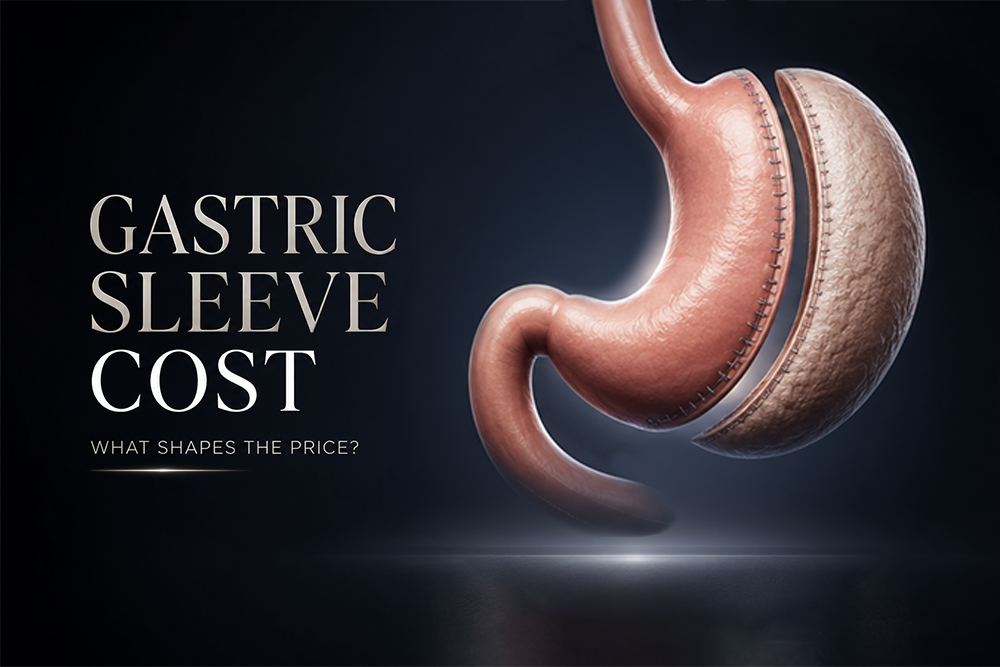
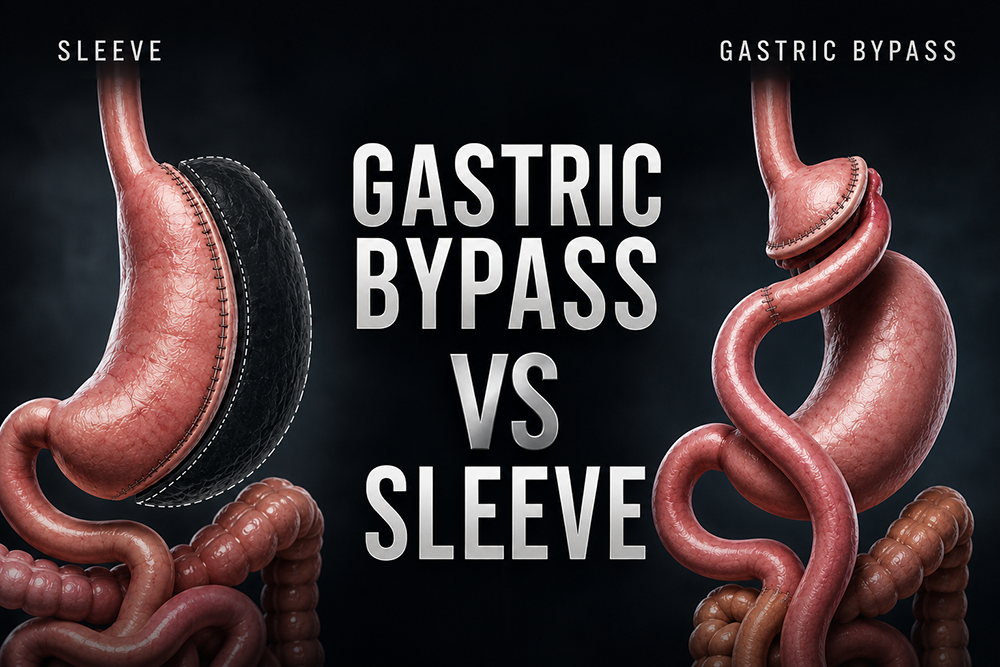
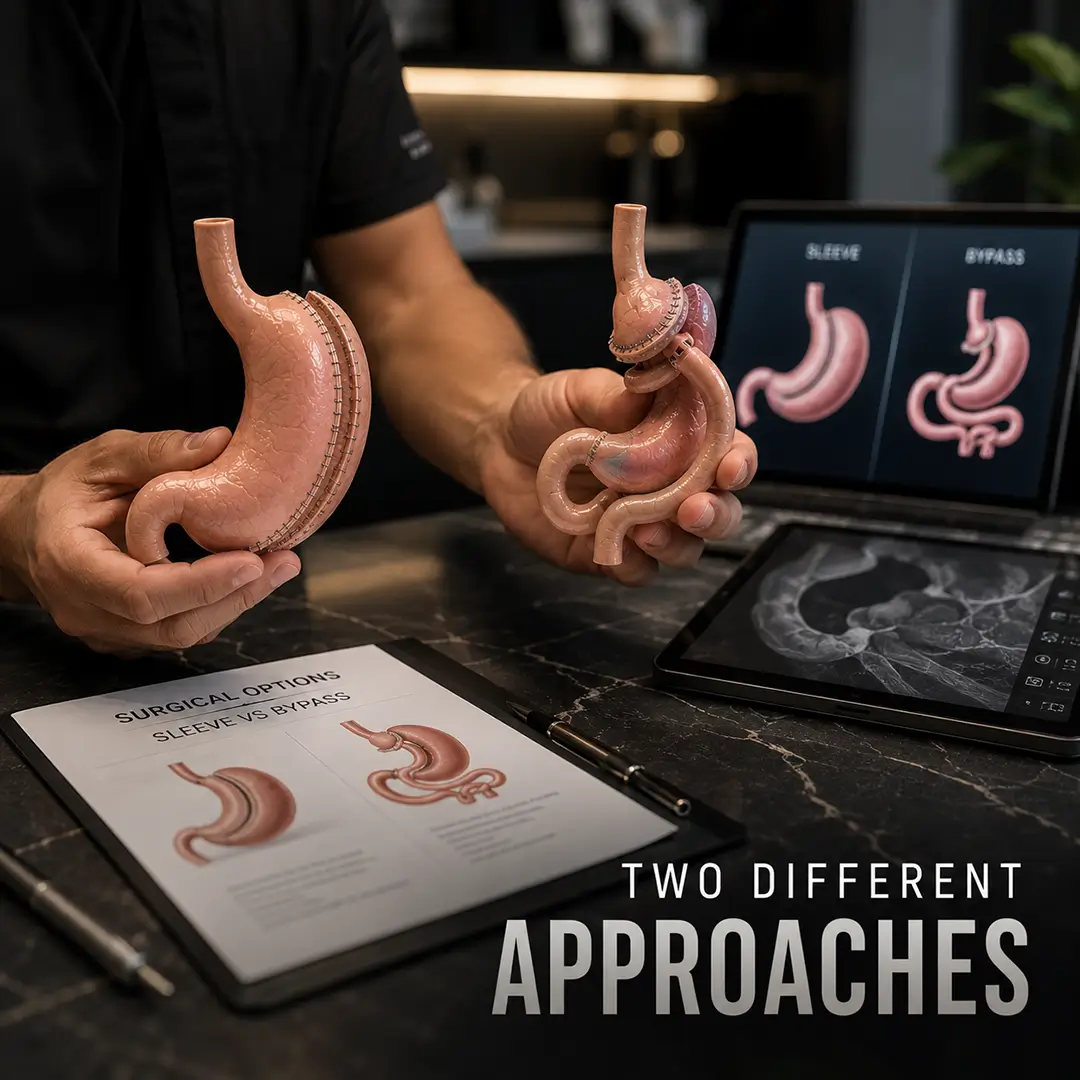
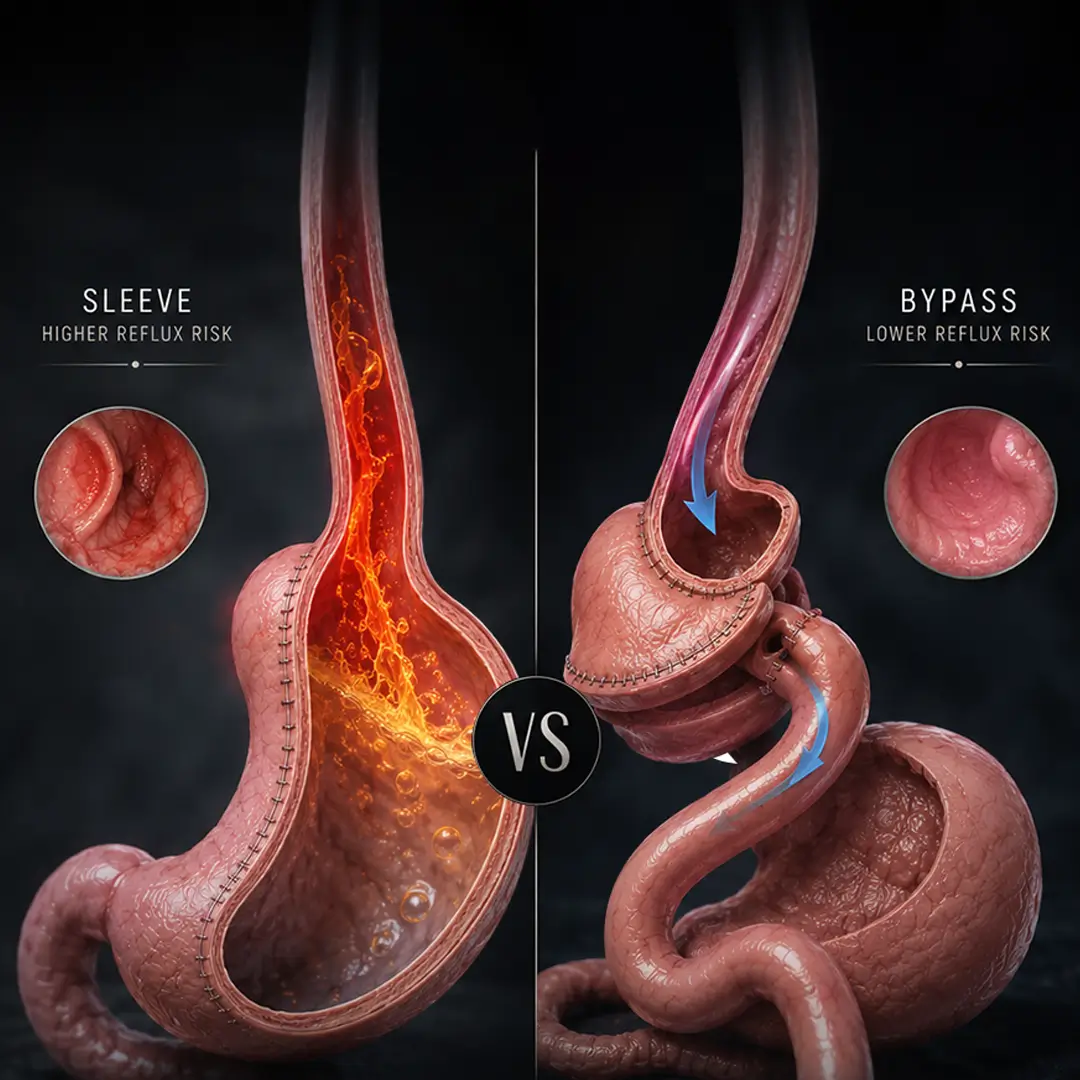
The two operations alter different structures. Sleeve gastrectomy removes roughly 70 to 80 percent of the stomach along the greater curvature, leaving a narrow tube. Roux-en-Y gastric bypass leaves the stomach in place while creating a small upper pouch, then connects that pouch directly to a limb of small intestine.
Two mechanisms follow from those changes. The sleeve works mainly through reduced gastric volume plus altered hunger signalling since the resected portion produces much of the body’s ghrelin. Bypass adds a second mechanism by shortening the absorptive path, which changes how nutrients plus medications are taken up. According to Alaidaroos O, et al., 2024, the anatomical difference drives most of the divergence seen in long term outcome studies. In practice, our coordination team finds that patients understand the follow-up requirements far better once the anatomy is explained first.
Gastric Sleeve vs Gastric Bypass: What Does Long Term Research Show?
Randomised evidence now extends well beyond five years. Monteiro Delgado L, et al., 2025 published a systematic review plus meta-analysis of randomised trials comparing long term outcomes in sleeve gastrectomy versus Roux-en-Y gastric bypass. Yang P, et al., 2019 reported a comparable meta-analysis of randomised controlled trials.
Research shows the two operations produce broadly similar magnitudes of weight change over long horizons with differences concentrated in specific complications rather than in headline outcomes. Metabolic disease follows a related pattern. Schauer PR, et al., 2017 reported five year outcomes from a randomised trial of bariatric surgery versus intensive medical therapy for type 2 diabetes. Mejaddam A, et al., 2025 published a matched retrospective cohort from Sweden examining long term diabetes effects of both procedures. Population averages describe groups, never individuals. Any figure quoted from these studies applies to the trial population that generated the figure.
How Do Reflux and Barrett’s Oesophagus Affect the Choice?
Reflux is the clearest clinical divider between the two routes. Sleeve gastrectomy is associated with a higher rate of new or worsening gastro-oesophageal reflux while bypass anatomy tends to divert acid away from the oesophagus. Pre-existing reflux therefore changes the surgical conversation substantially.
Lee YM, et al., 2025 published a randomised controlled trial examining the long term effect of Roux-en-Y gastric bypass versus sleeve gastrectomy on reflux plus Barrett’s oesophagus. A sleeve suits many patients who want a technically simpler operation with an intact intestinal path but the same procedure is not the right choice for someone with significant established reflux because symptoms may worsen and long term surveillance may become necessary. Pre-operative endoscopy is standard practice for exactly this reason. Our unit treats an endoscopy finding as a planning input rather than an obstacle.
Which Nutritional Follow-Up Does Each Route Require?
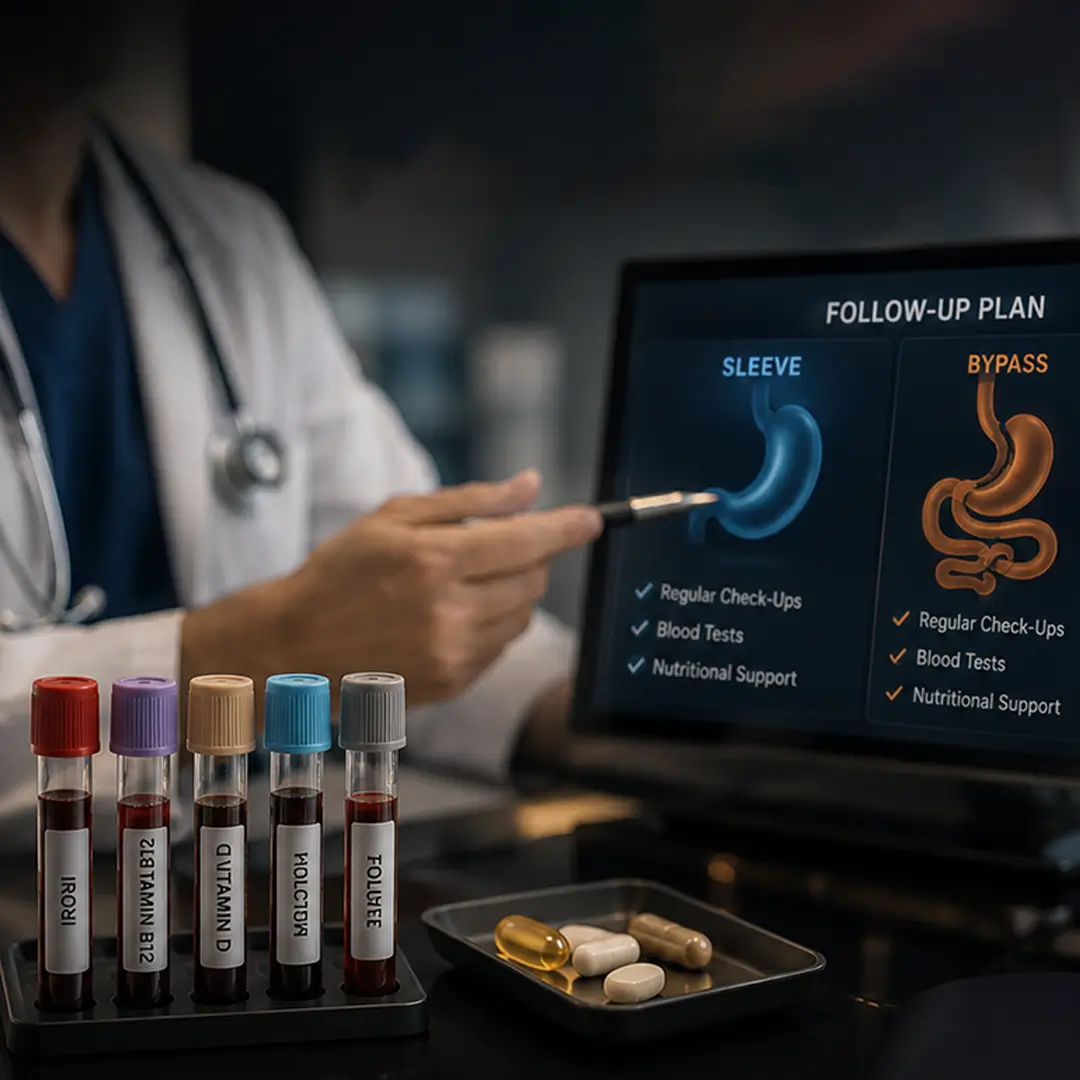
Both operations require lifelong micronutrient monitoring though the deficiency profiles differ. Bypass carries a broader malabsorptive risk across iron; vitamin B12; fat soluble vitamins; calcium. Sleeve patients still develop deficiencies, driven more by reduced intake than by altered absorption.
Saarinen I, et al., 2025 published a secondary analysis of the SLEEVEPASS randomised clinical trial comparing nutritional deficiencies after sleeve gastrectomy versus Roux-en-Y gastric bypass at 10 years. That paper is unusually useful because randomised nutritional data at a decade is rare. Supplementation is permanent after either operation. Annual biochemical monitoring is standard after either operation. Patients budgeting for the whole pathway will find the recurring line items set out in our breakdown of gastric sleeve cost.
Gastric Sleeve vs Bypass: Which Operation Is Reversible?
Neither operation is reversible in the ordinary sense. A sleeve permanently removes stomach tissue so the original anatomy cannot be restored. Bypass leaves the stomach physically present, which makes revision technically feasible yet reversal remains a major operation carrying its own risk profile.
The practical question is therefore conversion rather than reversal. Patients with refractory reflux or insufficient response after a sleeve are most often converted to a Roux-en-Y configuration, a documented pathway in long term series. Bypass patients face a narrower revision menu. Anyone considering surgery should treat both procedures as permanent decisions requiring permanent behavioural change. Surgery modifies anatomy. Surgery does not replace nutritional discipline. Readers who want the sleeve procedure explained on its own terms can start with our guide to what a gastric sleeve is.
What Separates the Two Procedures Point by Point?
The table below sets out the practical differences that patients ask about most often. Each row reflects general procedural characteristics described in surgical literature rather than a prediction for any individual since outcomes depend on the person plus the clinical context.
| Factor | Sleeve gastrectomy | Roux-en-Y gastric bypass |
|—|—|—|
| Main mechanism | Reduced gastric volume; altered hunger signalling | Small pouch plus shortened absorptive path |
| Stomach tissue | Partly removed; not restorable | Left in place; bypassed |
| Intestinal rerouting | None | Yes |
| Reflux tendency | May start or worsen | Often improves |
| Malabsorption profile | Narrower | Broader; includes iron plus vitamin B12 |
| Revision route | Conversion to bypass is common | Fewer onward options |
| Follow-up | Lifelong supplementation plus annual bloods | Lifelong supplementation plus annual bloods |
Both columns end identically on follow-up, which is the point most comparison articles understate.
How Does a Multidisciplinary Team Assess Candidacy?
Candidacy is a clinical judgement rather than a calculation. A bariatric team typically includes a surgeon; an endocrinologist or internal medicine physician; a dietitian; a mental health professional. The team reviews body mass index thresholds; comorbidities; previous weight management history; psychological readiness for permanent dietary change.
Additional inputs shape the recommendation. Established reflux, severe type 2 diabetes, prior abdominal surgery plus medication absorption requirements all push the discussion in one direction or another. No website can tell any reader which operation suits them. International Plus coordinates that assessment in 21 languages across a clinic rated 4.8/5 from 5,504 verified reviews and patients evaluating an international pathway will recognise the verification framework in our medical travel decision guide.
Do the Two Operations Differ in Cost Structure?
Cost structures overlap heavily because both procedures use the same theatre; the same anaesthesia team; a similar inpatient pathway. Bypass is technically longer in most units, which can lengthen theatre time. The larger financial variable is neither operation itself but the workup, the follow-up programme plus insurance classification.
Lifelong supplementation costs run in parallel for both routes with bypass patients often requiring a broader panel. Patients comparing international options should examine who is accountable for year one follow-up before comparing any figure. The same logic appears in our analysis of what drives a treatment price abroad plus our review of all inclusive package structures. For patients exploring a reversible non surgical step first, the gastric balloon route sits in a different category entirely.
Choosing Between Gastric Bypass and Sleeve With Clear Expectations
A responsible comparison of gastric bypass vs sleeve ends where the clinical evaluation begins. Randomised long term data now describes the reflux picture; the nutritional profiles; the diabetes trajectories with reasonable confidence. What that literature cannot supply is a personal recommendation because individual results vary with anatomy, comorbidity plus long term behaviour.
Both operations demand permanent supplementation, annual monitoring plus a rebuilt relationship with food. Neither is a shortcut. International Plus combines Turkish Ministry of Health authorisation with 5,504+ verified reviews at 4.8/5 plus 200,000+ international patients across 140+ countries, delivering its bariatric sleeve gastrectomy service inside a multidisciplinary structure. Patients planning travel logistics around a surgical stay can review our overview of transfer and accommodation planning plus our guide to comparing treatment destinations. Anyone still weighing gastric bypass vs sleeve should carry that question into a surgical consultation rather than settle it from a search result.
Frequently Asked Questions
Which operation produces more weight loss?
Randomised long term comparisons report broadly similar weight outcomes with differences narrower than most patient forums suggest. Meta-analyses of randomised trials find the largest divergences in complication profiles rather than in weight change. Individual results vary substantially so no published average predicts what a single patient will experience.
Is gastric bypass better for type 2 diabetes?
Both procedures improve glycaemic control in many patients and randomised plus matched cohort studies have compared them directly over long horizons. Bypass shows advantages in some datasets, particularly for longer standing disease. The decision belongs to an endocrinologist working alongside the surgical team rather than to a comparison article.
Can a sleeve be converted to a bypass later?
Yes and conversion is a documented pathway rather than an unusual event. Refractory reflux plus insufficient clinical response are the two most common indications. Conversion is a separate major operation requiring fresh assessment, fresh consent plus its own recovery period. Long term series report conversion rates in sleeve cohorts.
Which operation needs more vitamins?
Bypass generally requires a broader supplementation panel because the shortened absorptive path affects iron; vitamin B12; fat soluble vitamins; calcium. Sleeve patients still need lifelong supplementation, driven more by reduced intake. Randomised 10 year data comparing deficiency profiles after both procedures is now published.
Does either operation stop working over time?
Weight regain plus reduced clinical response are recognised long term findings after both procedures, described across multiple follow-up series. Contributing factors include dietary drift, anatomical changes plus untreated psychological drivers. Structured long term follow-up is the main protective factor, which is why annual review matters throughout life.
Does recovery time differ in gastric bypass vs sleeve?
Hospital stay is measured in days for both operations in uncomplicated cases with return to routine activity typically taking several weeks. Recovery differences between gastric bypass vs sleeve are modest, though bypass can run slightly longer because the procedure is technically more involved. Your surgical team sets the timeline based on your individual course.
Reviewed by Dr. Eren Gülbahar
References
- Monteiro Delgado L, et al. Obes Surg. 2025. PMID: 40622470
- Alaidaroos O, et al. Cureus. 2024. PMC11533043
- Lee YM, et al. ANZ J Surg. 2025. PMID: 39829211
- Saarinen I, et al. Br J Surg. 2025. PMC12231607
- Mejaddam A, et al. Lancet Reg Health Eur. 2025. PMC12418880
- Yang P, et al. Surg Obes Relat Dis. 2019. PMID: 30826243
- Schauer PR, et al. N Engl J Med. 2017. PMC5451258
Follow us on Social Media
internationalplusofficial
internationalplus
internationalplusdental
This content is written, reviewed, and approved by the International Plus Medical Review Board to ensure clinical accuracy and adherence to strict editorial standards. All medical information is regularly monitored, audited and updated in light of the latest scientific advancements.
However the information provided here is for general informational purposes only and cannot be used for self diagnosis or making individual health interpretations. Results of medical treatments depend on individual anatomy and the unique healing process of each patient. This information should not replace a personal consultation with a qualified healthcare professional. To understand the best options for your specific needs and to receive a personalized treatment plan, we invite you to book a free consultation with the expert medical team at International Plus.

I am a healthcare professional with over 4 years of experience in dentistry, specializing in prosthetic dental treatment and implant-based applications. Since 2024, I have been serving as chief physician, leading clinical management, team coordination, and international patient processes. With my B2-level English proficiency, I am able to communicate effectively with international patients. I am a patient-centered, innovative, and solution-oriented dentist who prioritizes patient satisfaction.