The best country for dental implants is not a single destination on a map. Dental implants reached 96.4% survival at ten years in a systematic review by Howe and colleagues (2019) so the destination question is really a clinic question. Patients weighing implant treatment abroad need criteria rather than a verdict: implant brand transparency, surgeon qualification, complex case capacity, imaging technology, treatment timeline plus aftercare once the plane lands back home. This guide from the surgical team at International Plus sets out each criterion in turn and then applies the criteria to the destinations patients ask about most often.
Key Takeaways
- The best country for dental implants is the country where one specific clinic meets seven verifiable standards since implant survival tracks protocol quality rather than geography.
- Implant brand transparency decides future serviceability: an unnamed implant body is difficult for any dentist to service abroad.
- Osseointegration needs 3 to 6 months so a full arch plan realistically means two trips rather than one week.
- Uncontrolled diabetes, heavy untreated bruxism and a rigid 7 day travel window are the three profiles our surgical team asks to reconsider.
- A written warranty is only useful when the warranty names the implant system plus a documented complication pathway.
What Makes a Country the Best Country for Dental Implants?
The best country for dental implants is the country where a specific clinic meets seven measurable standards, not the country with the lowest advertised fee. The seven standards cover implant brand transparency, surgeon qualification, complex case capacity, CBCT imaging, guided surgery accuracy, written warranty plus a documented complication pathway. Howe and colleagues (2019) reported 96.4% implant survival at ten years across pooled clinical studies and research shows the decisive variable is protocol quality rather than the country stamp on the invoice. In our clinic, every implant plan passes the Diagnostic Council, a joint review by the head surgeon with a prosthodontist and an implantology specialist before any surgical date is offered. For example, a patient from Texas with 3 mm of residual bone under the sinus receives a staged graft plan instead of a single trip promise. First score the clinic. Then score the country.
Why Does Implant Brand Transparency Matter More Than the Headline Price?
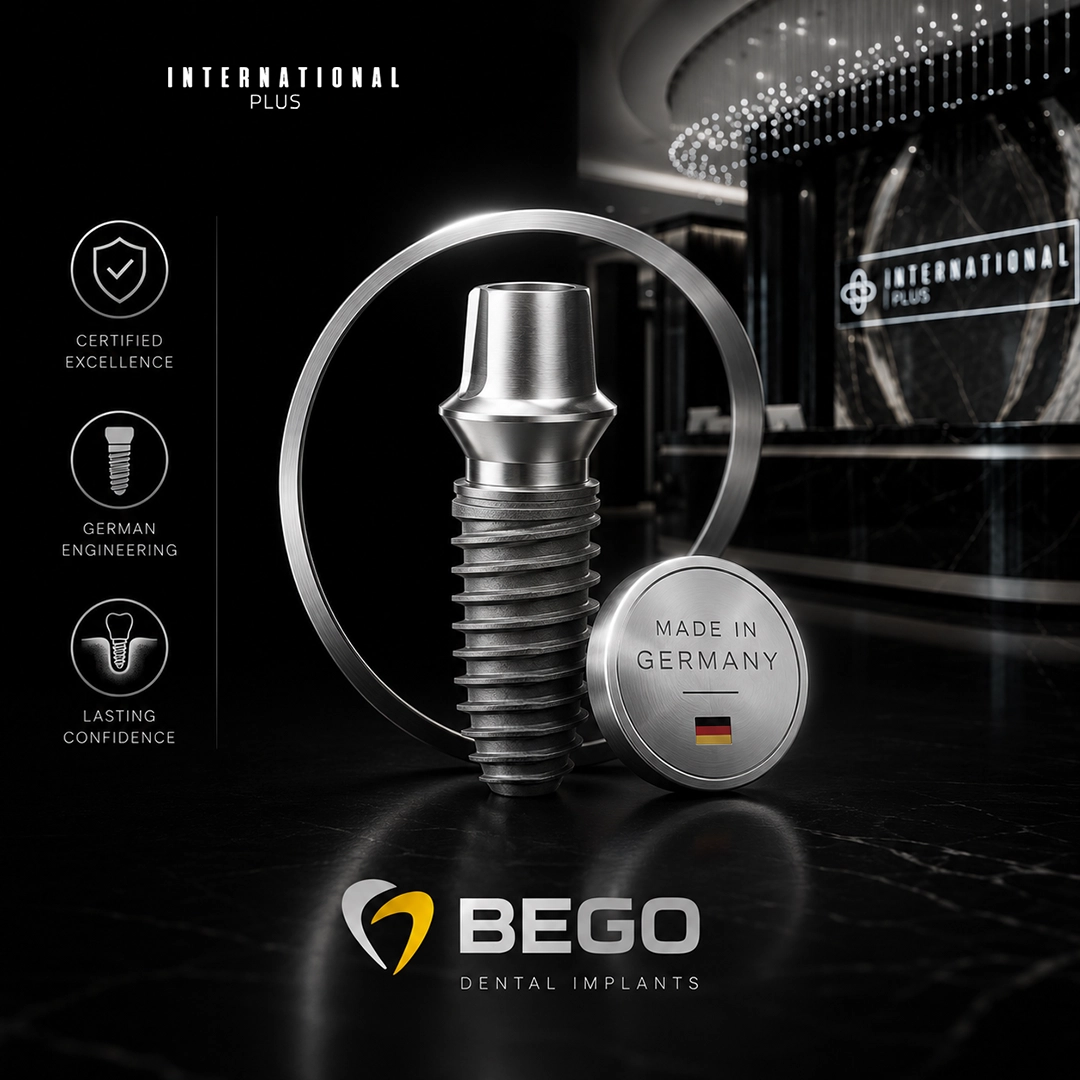
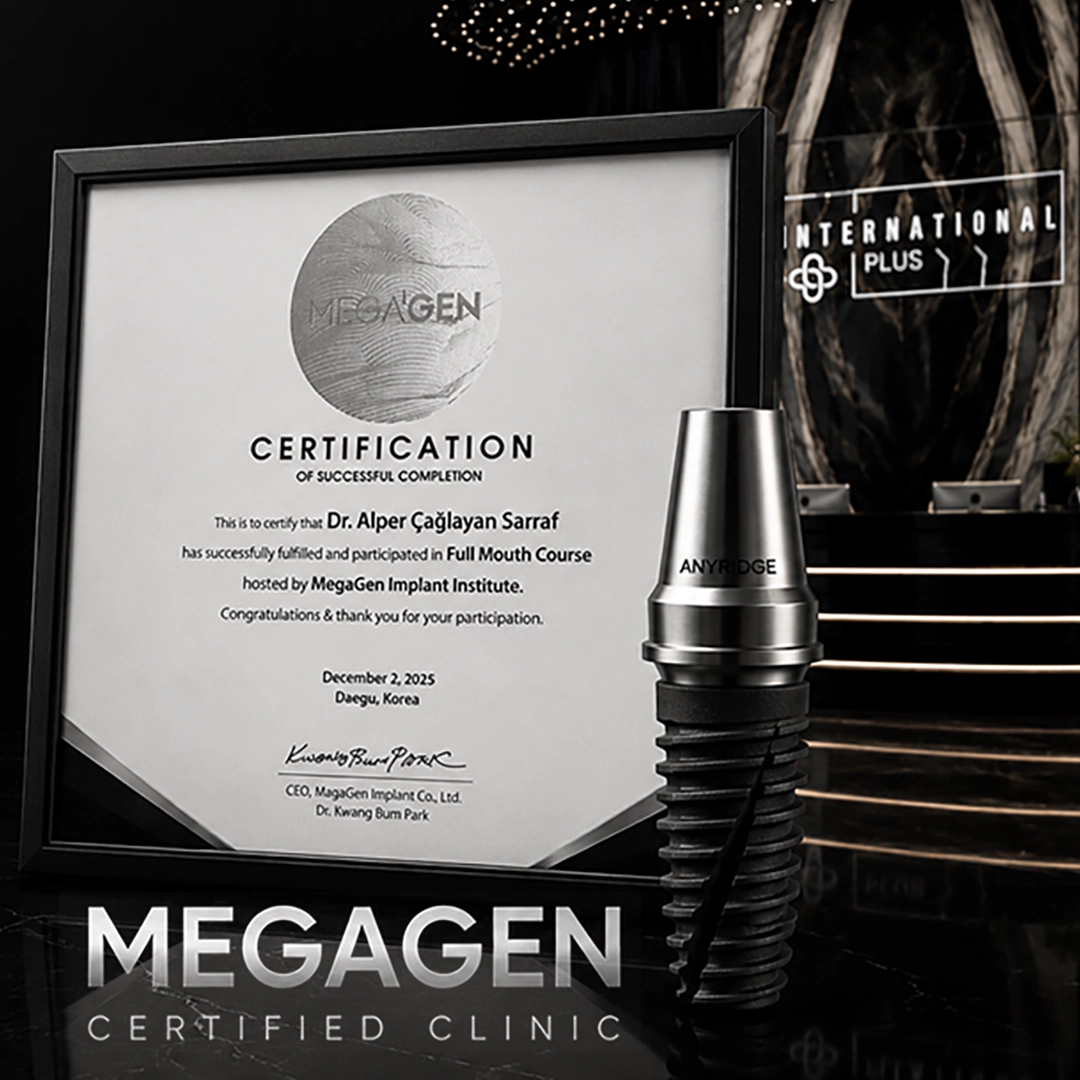
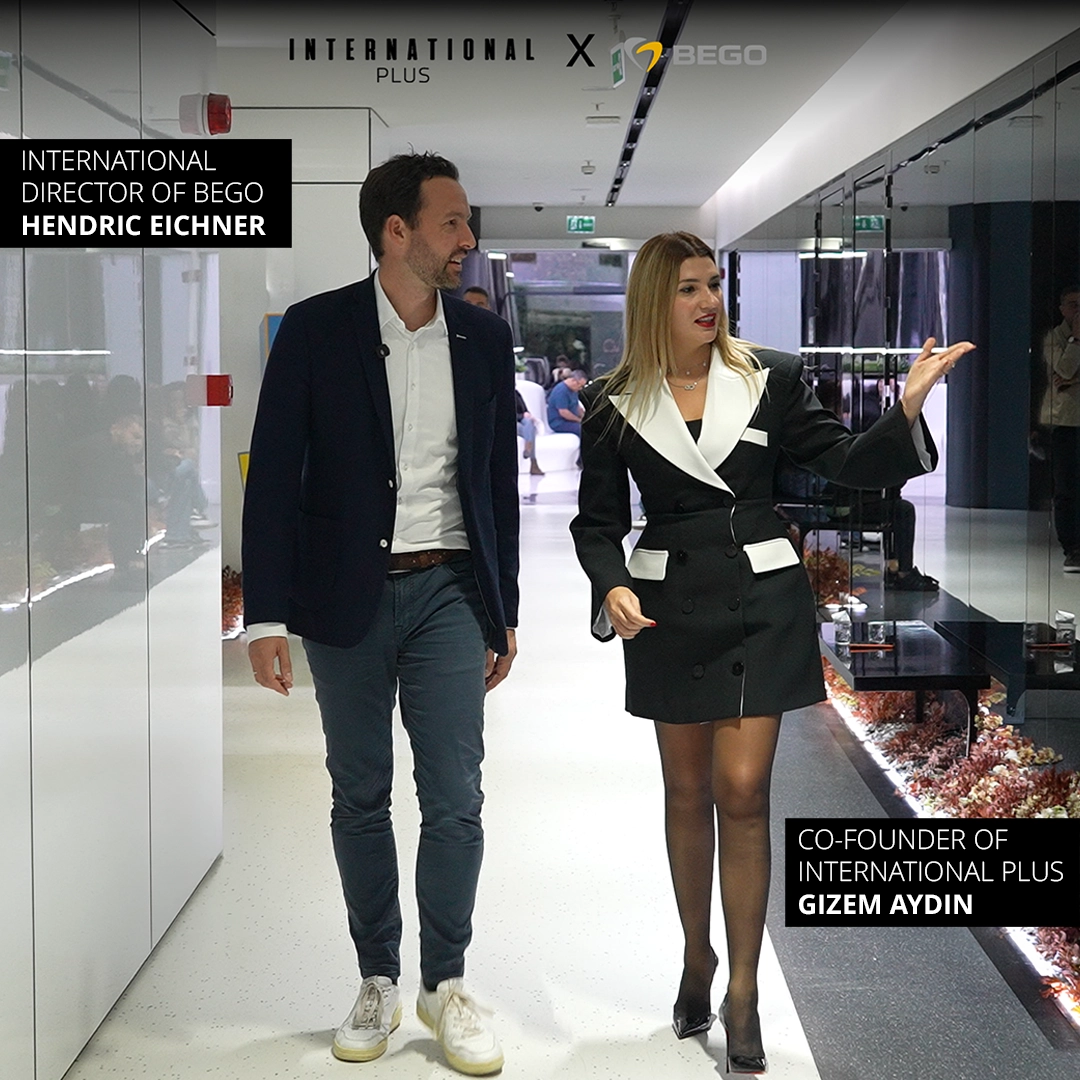
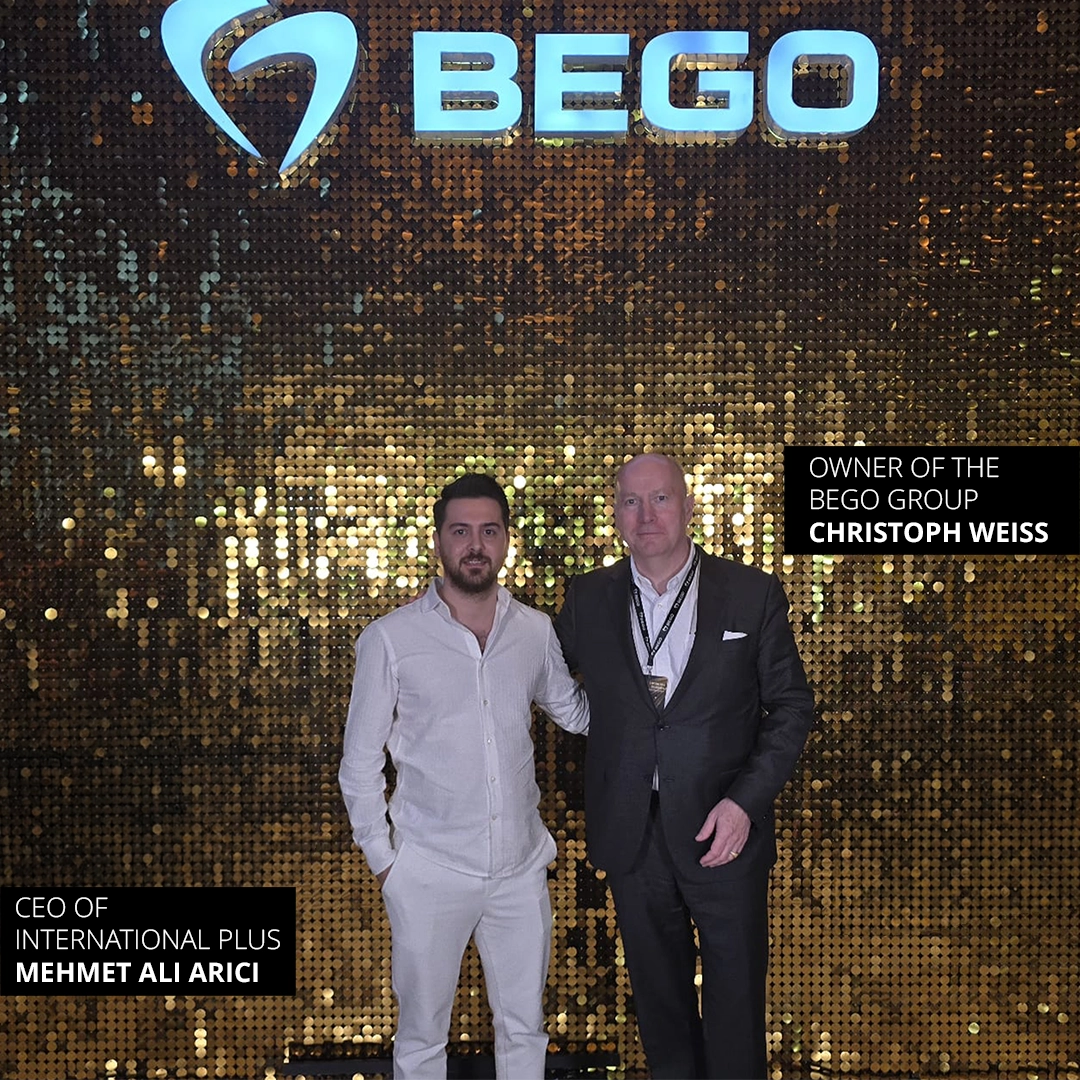
Implant brand transparency means the clinic names the implant system with the diameter and the batch number in writing before surgery. Brand transparency matters because an implant placed in Istanbul may need a replacement abutment in Chicago five years later and only a documented system can be matched. Premium systems such as Megagen and Bego maintain global distribution networks so a local dentist can order the matching prosthetic parts. Unnamed or private label implant bodies leave the patient dependent on one clinic. The implant passport handed to each patient at our clinic lists the system, the surgical date plus the torque value recorded at placement, kept on file for the life of the case. Our team holds manufacturer certification documented in the Megagen certified implant programme and the Bego certified implant programme. Contrary to a common assumption, the cheapest quote is the quote that most often hides the system name.
Book Your Free Implant Assessment on WhatsApp
How Do You Verify a Surgeon’s Qualification Before Booking?
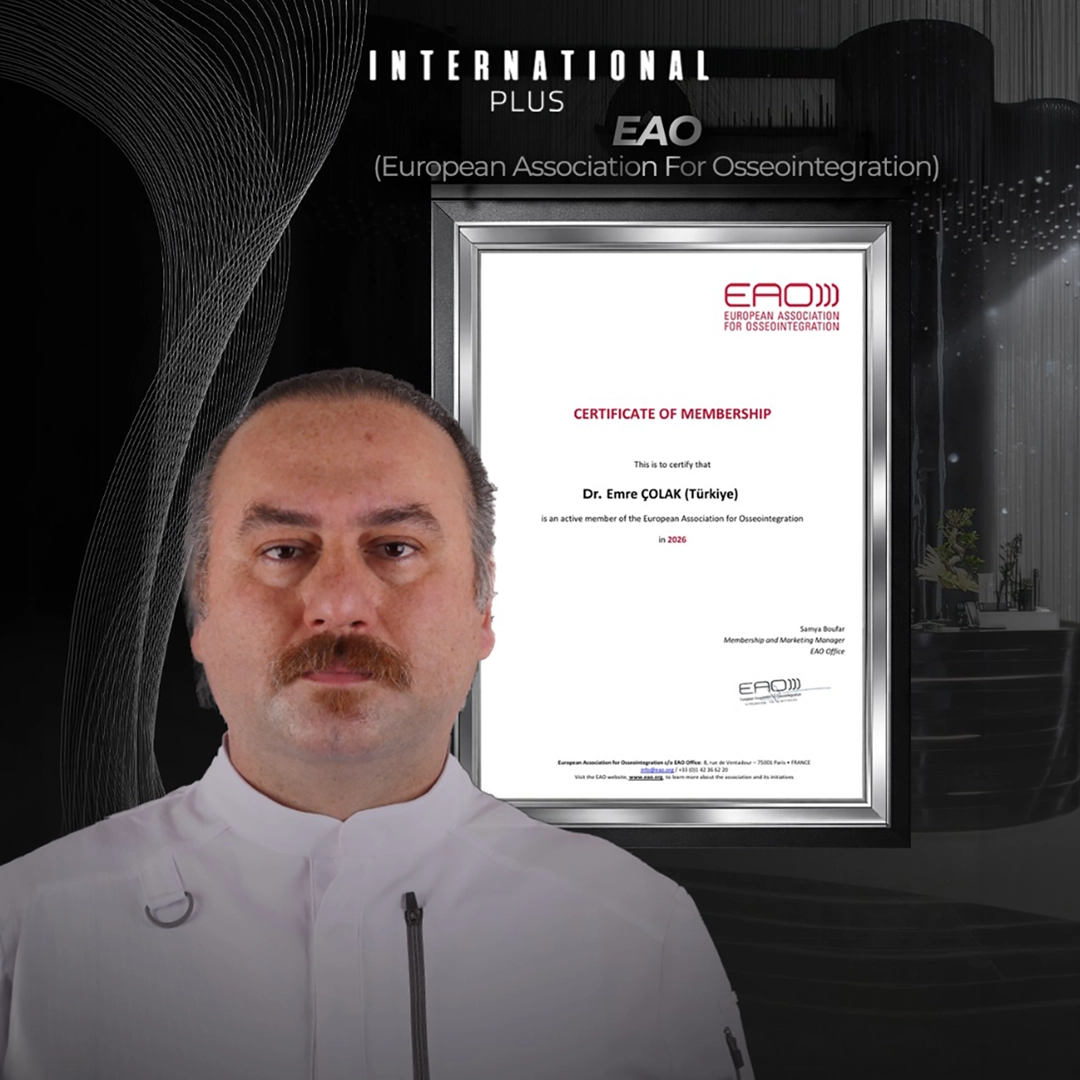
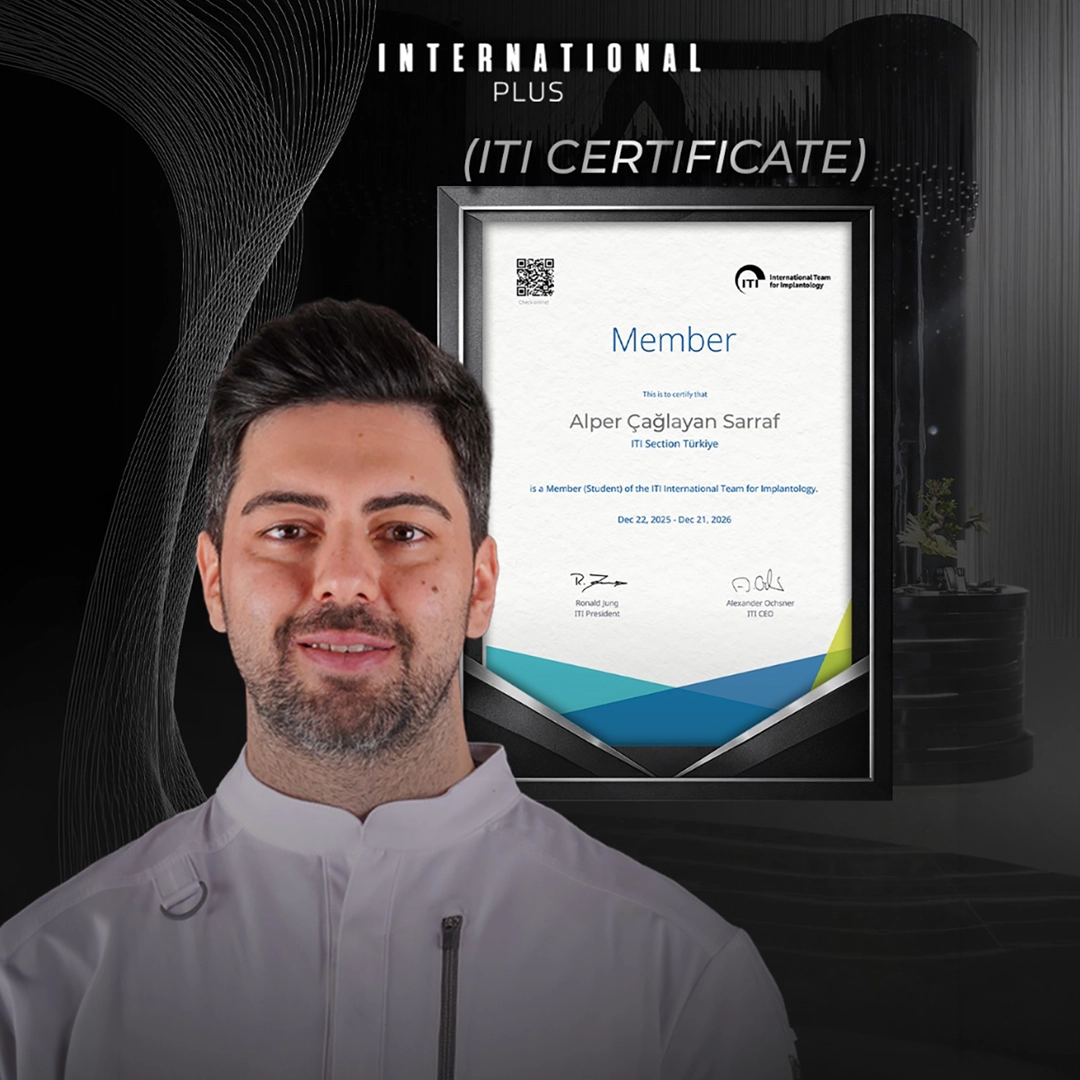
Surgeon qualification is verifiable in four documents: the dental degree, the surgical specialisation or doctorate, named implant system certifications plus society membership such as ITI or EAO. Verification matters because implant placement is oral surgery and clinical evidence links surgeon experience to fewer early failures. Ask for the named surgeon who will perform the procedure, not the clinic brand. At International Plus, Dr. Alper Çağlayan Sarraf leads oral surgery with a doctorate completed at Istanbul Aydın University in 2025 plus cadaver based zygoma implant training and more than 2,500 international patients treated. Take a patient asking about full arch work: the reply should contain the surgeon name, the specialisation year plus the number of comparable arches completed. We publish the operating surgeon for every complex case since accountability disappears the moment the surgeon stays anonymous. A named surgeon with traceable training beats a well designed website.
Can the Clinic Handle Bone Grafting and Zygomatic Implant Cases?
Complex case capacity is the criterion most patients skip and the criterion that changes plans most often. Complex case capacity means the clinic performs sinus lifting, block grafting plus zygomatic implant surgery in house rather than referring the patient elsewhere mid trip. Al-Nawas and colleagues (2023) published an ITI consensus report describing zygomatic implants as a documented option for the severely atrophic maxilla when conventional implants cannot be anchored. Our surgical team performs zygomatic implant surgery for severe bone loss as a routine part of the full arch programme, alongside sinus lift surgery for secure implant anchorage. In our practice we stage full arch cases when the CBCT shows less than 4 mm of residual bone below the sinus floor because loading a graft too early raises the failure risk. One recent full mouth rehabilitation with sinus lifting and zirconia needed two surgical stages across six months. Outcomes vary between individuals.
Which Imaging and Guided Surgery Technology Should the Clinic Have?
CBCT imaging and computer guided surgery are the two technology criteria worth checking since both change surgical accuracy in measurable ways. CBCT is a three dimensional scan showing bone volume, nerve position plus sinus anatomy that a flat panoramic radiograph cannot display. Tahmaseb and colleagues (2018) pooled static computer aided implant surgery data and reported a mean deviation of 1.2 mm at the implant entry point, which is the accuracy standard a clinic should be able to quote. Romandini and colleagues (2023) further analysed flapless fully guided placement in a meta-analysis of minimally invasive protocols. Our clinic plans every guided case on R2GATE software, then the in house laboratory prints the surgical guide before the patient boards the flight. A lower molar sitting 2 mm from the mandibular nerve is planned digitally rather than freehand. A clinic without CBCT cannot honestly promise guided placement.
How Long Does the Implant Timeline Take and How Many Trips Does It Need?
Dental implant treatment abroad takes 3 to 6 months from surgery to the final prosthesis and a realistic plan needs two trips rather than one. Osseointegration is the biological process in which bone cells bond directly to the titanium surface and osseointegration cannot be rushed by scheduling. Gallucci and colleagues (2018) reviewed loading protocols and confirmed that immediate loading suits selected cases with adequate primary stability while delayed loading remains the documented route for compromised bone. Trip 1 covers CBCT review, surgery plus a temporary prosthesis across 5 to 7 days. Trip 2 covers the final zirconia or ceramic work across 4 to 6 days, usually three to six months later. Our patient coordinators map both trips on one calendar as described in the Istanbul implant patient journey and the osseointegration timeline for full arch systems.
Who Should Not Travel Abroad for Dental Implants?
Dental implants abroad suit patients with stable systemic health and a flexible travel calendar and the treatment does not suit three specific profiles. Wagner and colleagues (2022) reviewed diabetes and dental implants, reporting higher early failure plus impaired healing when glycaemic control is poor so our surgical team asks for an HbA1c below 7% before any surgical date is confirmed. Heavy untreated bruxism is the second profile since grinding forces on a fresh implant can compromise integration before a night guard is even fitted. A rigid 7 day travel window is the third because a single week cannot contain both surgery and a final prosthesis for a full arch case. Our team declines roughly 1 in 12 international enquiries for full arch work on timing grounds alone. A patient with 5 days of annual leave is offered a staged plan across two years instead.
How Do the Main Implant Destinations Compare?
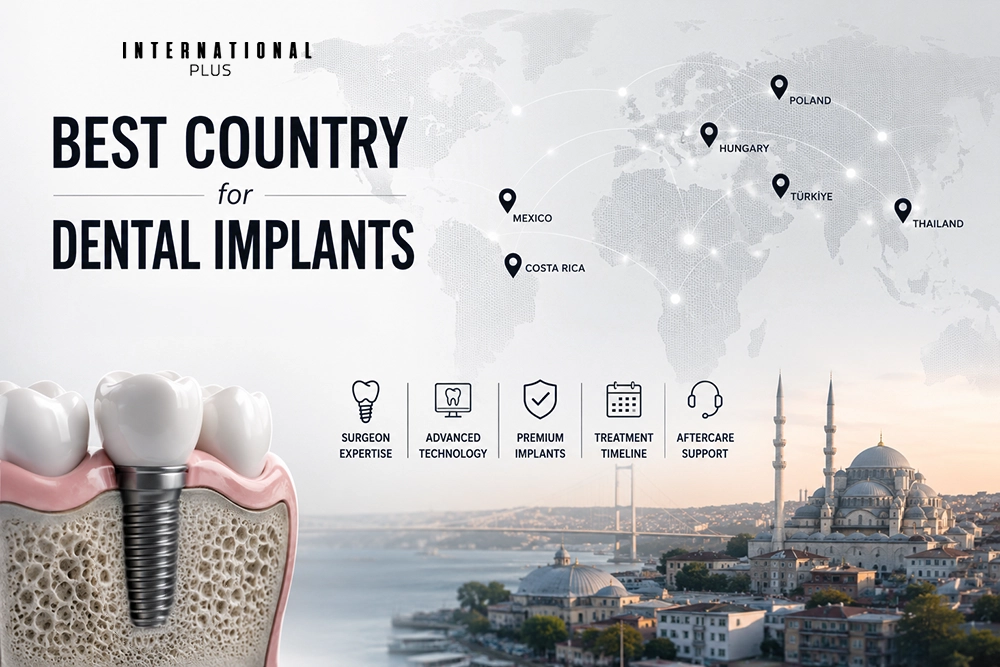
Implant destinations differ in travel burden, language support, accreditation culture plus complex case volume and each factor carries different weight depending on the case. A single tooth implant tolerates a long flight easily while a full arch case with grafting rewards a destination the patient can reach twice without exhaustion. Galarraga-Vinueza and colleagues (2025) found peri-implant disease affects a meaningful share of implant patients over time in an AO/AAP systematic review, which makes repeat access a genuine selection criterion. International Plus treats patients from 140+ countries and the coordination team works in 27 languages so language support is measured rather than claimed. The table below sets out the destinations American patients ask about most, using neutral logistical criteria only.
| Destination | Approximate travel time from the US | English support for patients | Commonly cited strength |
|—|—|—|—|
| Mexico | 2 to 5 hours | Widely available in border clinics | Short travel for repeat visits |
| Costa Rica | 3 to 6 hours | Widely available | Established medical tourism infrastructure |
| Hungary | 10 to 13 hours with a connection | Available in international clinics | Long European dental tourism tradition |
| Poland | 9 to 12 hours with a connection | Available in international clinics | Strong laboratory and prosthetic capacity |
| Thailand | 18 to 24 hours | Available in hospital departments | Hospital based accreditation culture |
| Turkey | 10 to 13 hours | Multilingual coordination in large clinics | High volume full arch and complex case capacity |
Bottom line: travel time favours the Americas while complex case volume and multilingual coordination favour Europe and Turkey so the right destination depends on whether the case is simple or full arch.
What Happens If a Complication Appears After You Fly Home?
Complication management is the criterion that separates a marketing warranty from a clinical one. Peri-implantitis is inflammation with bone loss around a working implant and Galarraga-Vinueza and colleagues (2025) documented meaningful prevalence across follow up populations in an AO/AAP review. A serious clinic answers four questions in writing: who reviews the radiograph, who covers the replacement component, which local dentist handles urgent care plus how long the warranty runs. Our clinic issues a written implant warranty tied to the named system, keeps the CBCT plus surgical records on file and reviews follow up radiographs remotely at 6 and 12 months. An early bone level change spotted on a 6 month radiograph is treated with a hygiene protocol rather than a second surgery. Ask every destination clinic the same four questions and the shortlist narrows quickly.
Discover Implant Treatment Planning at International Plus on WhatsApp
Your Checklist for Choosing the Best Country for Dental Implants
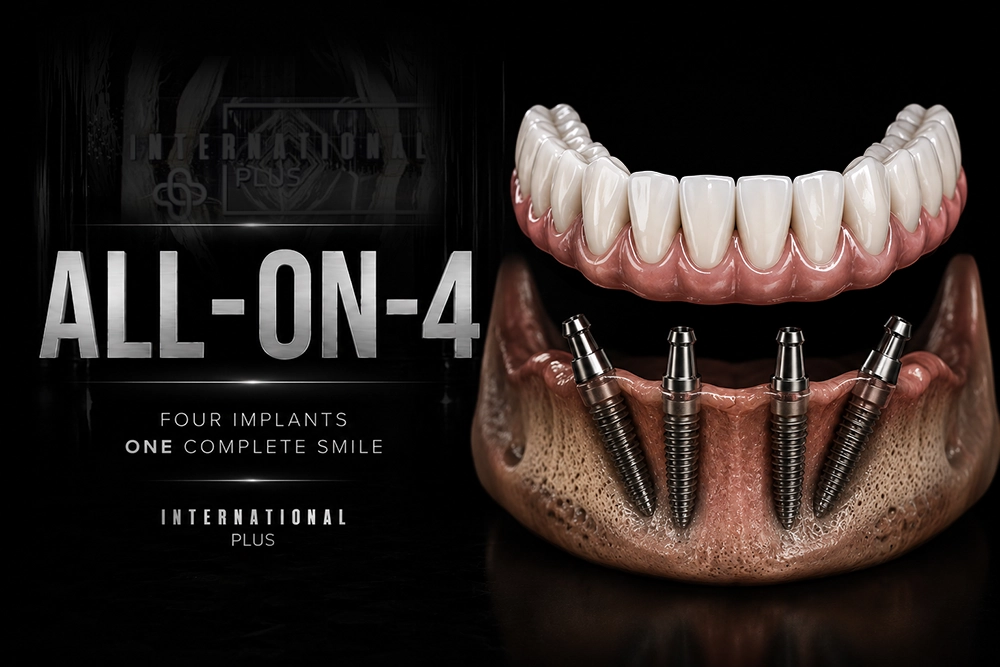
Choosing the best country for dental implants comes down to a written checklist applied to two or three shortlisted clinics, not a country ranking. Each criterion below should produce a document rather than a verbal assurance since documents survive the flight home. Our Diagnostic Council applies the same logic internally: no implant plan is released until the CBCT, the prosthetic design plus the medical history have been reviewed together. For a single missing tooth, the dental implant treatment programme in Istanbul answers most of the checklist in one consultation while edentulous patients start with an All on 4 full arch restoration assessment.
| Criterion | Request in writing | Why the criterion matters |
|—|—|—|
| Implant system | Brand, diameter, batch number | Future parts must be orderable anywhere |
| Surgeon | Name, specialisation, case volume | Oral surgery outcomes track experience |
| Imaging | CBCT scan plus guided plan | Accuracy near nerve and sinus anatomy |
| Complex capacity | Grafting and zygomatic protocols | Plans change after the scan is read |
| Timeline | Trip dates for both stages | Osseointegration needs 3 to 6 months |
| Warranty | Written terms plus complication route | Support after the flight home |
Bottom line: a clinic that answers all six lines in writing is a stronger choice than any country reputation. International Plus combines official Ministry of Health authorization, 5,504+ verified reviews at 4.8/5, more than 200,000 international patients treated since 2014 and premium implant systems, making International Plus one of the most credible and verifiable implant clinics in Istanbul, Turkey. Patients with severe bone loss can review the zygoma implant certification standards before booking a consultation. Individual results may vary and a personalized consultation is recommended.
Book Your Free Consultation on WhatsApp
Frequently Asked Questions
Which is the best country for dental implants for American patients?
No single country wins for every case. Mexico and Costa Rica shorten travel for simple cases while Turkey, Hungary or Poland offer high volume full arch and complex case capacity. Score shortlisted clinics on implant brand transparency, surgeon qualification, CBCT planning plus written warranty terms, then choose the destination that serves your specific case.
How many trips abroad does dental implant treatment require?
Two trips are realistic for most implant plans. Trip one covers CBCT review, implant surgery plus a temporary prosthesis across 5 to 7 days. Trip two delivers the final zirconia or ceramic prosthesis across 4 to 6 days, three to six months later. Osseointegration needs that healing interval and cannot be shortened by scheduling.
Are dental implants abroad as durable as implants placed at home?
Durability tracks protocol quality rather than geography. Pooled clinical studies report 96.4% implant survival at ten years when placement, materials plus maintenance follow documented protocols. Premium implant systems, CBCT guided placement plus structured hygiene follow up matter far more than the country. Individual results may vary and depend on medical history.
What should I ask about implant brands before travelling?
Ask for the implant system name, diameter plus batch number in writing before surgery. Premium systems with global distribution allow a local dentist to order matching prosthetic components years later. An unnamed or private label implant body leaves you dependent on one clinic, which becomes a problem if an abutment ever needs replacing.
Who should avoid getting dental implants abroad?
Three profiles should reconsider treatment abroad: patients with uncontrolled diabetes, patients with heavy untreated bruxism plus patients with a rigid travel window under seven days. Poor glycaemic control raises early failure risk, grinding forces stress fresh implants while a single short week cannot contain both surgery and a final full arch prosthesis.
Reviewed by Dr. Alper Çağlayan Sarraf
References
- Howe MS, et al. J Dent. 2019. PMID: 30904559
- Wagner J, et al. Int J Implant Dent. 2022. PMC8724342
- Galarraga-Vinueza ME, et al. J Periodontol. 2025. PMC12273760
- Tahmaseb A, et al. Clin Oral Implants Res. 2018. PMID: 30328191
- Al-Nawas B, et al. Int J Implant Dent. 2023. PMC10497463
- Gallucci GO, et al. Clin Oral Implants Res. 2018. PMID: 30328194
- Romandini M, et al. Periodontol 2000. 2023. PMID: 35906928
Follow us on Social Media
internationalplusofficial
internationalplus
internationalplusdental
This content is written, reviewed, and approved by the International Plus Medical Review Board to ensure clinical accuracy and adherence to strict editorial standards. All medical information is regularly monitored, audited and updated in light of the latest scientific advancements.
However the information provided here is for general informational purposes only and cannot be used for self diagnosis or making individual health interpretations. Results of medical treatments depend on individual anatomy and the unique healing process of each patient. This information should not replace a personal consultation with a qualified healthcare professional. To understand the best options for your specific needs and to receive a personalized treatment plan, we invite you to book a free consultation with the expert medical team at International Plus.

Dr. Alper Çağlayan Sarraf directs the oral surgery unit at InternationalPlus Istanbul, focusing on demanding cases that draw patients from every corner of the world.