Teeth grinding, known medically as bruxism, is the involuntary clenching or grinding of teeth that affects around half of people at some point and about 5 percent regularly. This guide explains what causes teeth grinding and the warning signs to watch for. It then covers the effects of long grinding. You will also learn how to stop it at night and choose the best night guard. A final section explains when Botox or restoration helps. Authorized by the Turkish Ministry of Health and rated 4.8/5 across 5,504+ verified reviews, International Plus has treated patients from over 140 countries.
Key Takeaways
- Teeth grinding often happens during sleep so many people only discover it from a worn tooth, a sore jaw or a partner who hears the grinding at night.
- Stress, sleep disorders such as sleep apnea, an uneven bite or certain medications drive most cases rather than one single cause.
- A custom night guard is the most common protection and the best type depends on how heavily you grind.
- Botox for teeth grinding is an off label option for severe cases that relaxes the jaw muscles but it manages symptoms rather than curing the habit.
- Most children grind their teeth at some stage and usually outgrow it so a baby or toddler grinding teeth rarely needs treatment.
What Is Teeth Grinding (Bruxism)?
Teeth grinding is bruxism, the repeated clenching or grinding of teeth without conscious control. It appears in two forms. Awake bruxism is a daytime clench linked to focus or tension. The other form, sleep bruxism, is a jaw movement during sleep. Around 5 percent of adults grind regularly.
The two forms behave differently, which matters for treatment. Awake bruxism is a silent clench during concentration. The nighttime form produces the loud grinding a bed partner hears (Beddis et al., 2018). This grinding also travels with snoring or brief pauses in breathing. Many people have no idea they grind until a dentist spots flattened enamel or an overbite that overloads the front teeth. Our Diagnostic Council reviews tooth wear and jaw symptoms together because one worn surface can point to grinding, an uneven bite or acid erosion. Each of those causes needs a different plan.
Symptoms of Teeth Grinding
The most common signs are a dull morning headache, a sore jaw, tooth sensitivity or flattened teeth. Because grinding usually happens in sleep, the first clue is often a partner hearing the noise. A dentist may also spot worn enamel during a routine checkup.
Symptoms cluster around the teeth, the muscles or sleep quality. People who grind their teeth are three times more likely to suffer from headaches according to bruxism research. Watch for these warning signs:
- A dull headache around the temples soon after waking.
- Jaw muscles that feel tired or locked, sometimes with clicking.
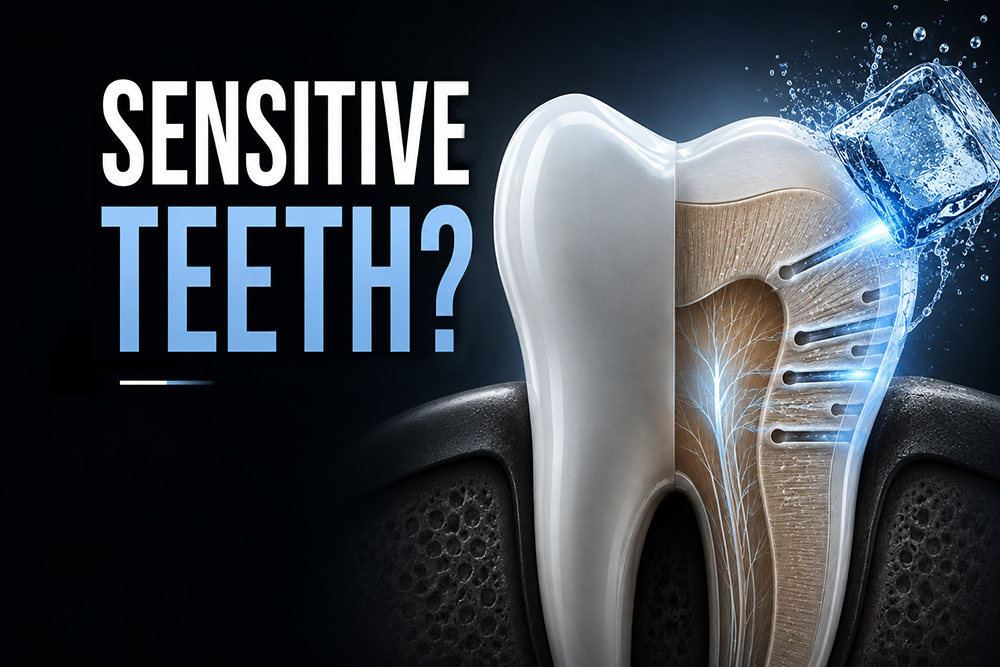
- Teeth that look flattened or feel sensitive to hot and cold.
- Pain that mimics an earache without any ear infection.
- Indentations on the tongue or raised tissue inside the cheek.
Any combination deserves a dental review. Patients we treat who report frequent morning jaw and tooth pain often have visible wear facets they never noticed. That turns a vague complaint into a clear diagnosis.
What Causes Teeth Grinding?
Teeth grinding rarely has one cause. It usually results from a mix of psychological or physical factors plus sleep problems. Stress and anxiety are the strongest triggers. Sleep apnea, an uneven bite, caffeine, alcohol or some medications also raise the risk of clenching.
The drivers fall into a few groups. Emotional strain leads the list since anger or tension push people to clench by day and grind at night. Grinding in sleep is closely tied to disturbed breathing. Research keeps confirming a strong link between grinding and obstructive sleep apnea (Minakuchi et al., 2022). Lifestyle habits matter too. Heavy coffee intake, alcohol before bed or smoking each raise grinding frequency. Certain antidepressants called SSRIs can trigger bruxism as a side effect. A misaligned bite or missing teeth can set it off as well so the underlying pattern needs assessment. Reflux and an acidic diet make it worse since they soften the enamel that grinding then wears away faster.
Effects of Long Term Teeth Grinding
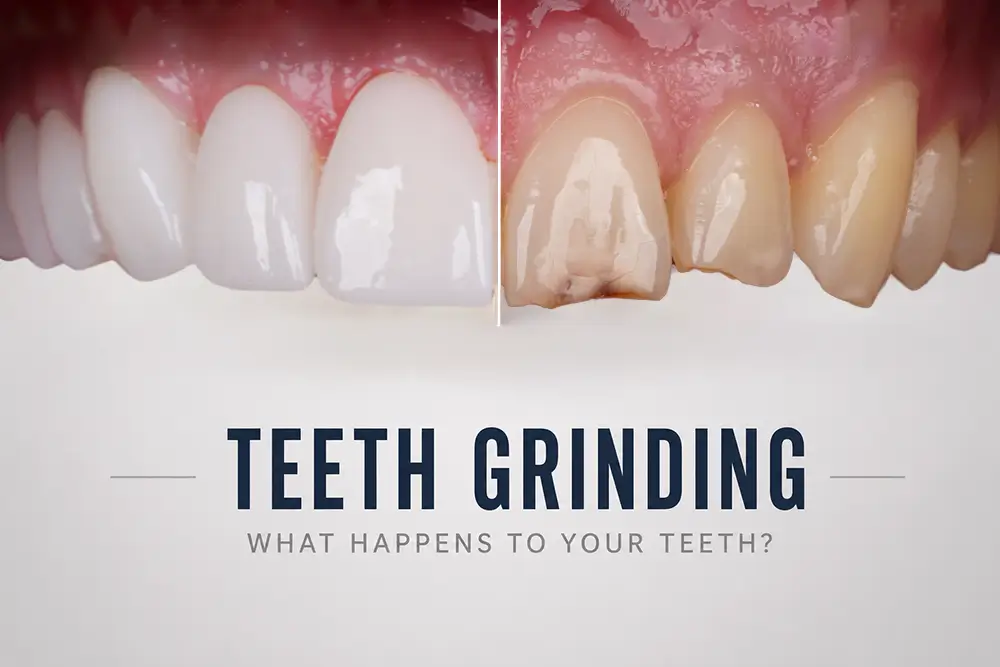
Long term teeth grinding wears down enamel, cracks teeth or strains the jaw joint. The three main effects are progressive tooth wear that shortens the teeth, TMJ disorders that cause jaw pain or clicking and chronic tension headaches. Severe grinding can even loosen teeth over time.
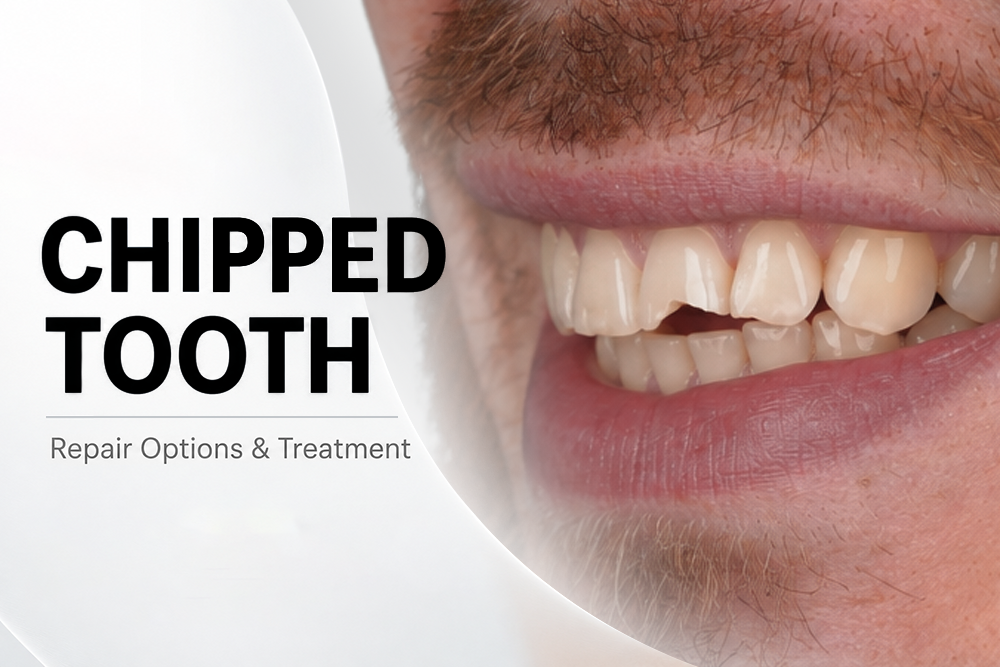
The force explains the damage. During sleep the jaw is not buffered by food so teeth absorb the full clenching load. That force runs at several times the pressure of normal chewing. Over months and years it flattens the biting surfaces and thins the enamel. It can expose the softer dentin underneath, which drives sensitivity or a chipped tooth. The jaw joint suffers as well with pain or limited opening that marks TMJ strain. Heavy grinders may enlarge the jaw muscles. Over years this muscle bulk can subtly square the lower face. The same overload reaches old fillings or crowns, which crack sooner under the extra pressure. In advanced cases the load overwhelms the gums and bone that anchor each tooth, a pattern that overlaps with gum recession. Our clinical team grades this wear from digital scans before planning any repair. This is the stage where restoration becomes necessary, not just protection.
How to Stop Teeth Grinding at Night
To stop teeth grinding at night, combine a protective night guard with treatment of the root cause. Reducing stress before bed, improving sleep hygiene, cutting evening caffeine or screening for sleep apnea all lower grinding. The guard then shields the teeth from any force that remains.
No single trick stops sleep bruxism alone so a layered plan works best. Start with a wind down routine. A warm shower or a short mindfulness exercise eases the tension that fuels clenching. Cognitive behavioral therapy also shows measurable value for stress driven grinding according to clinical reviews (Minakuchi et al., 2022). Keep caffeine to the morning. Avoid alcohol close to bedtime since both fragment sleep. Daytime awareness helps as well since catching a clench and relaxing the jaw slowly retrains the habit. Resting the tongue between the teeth for a moment breaks a forming clench. If you snore heavily or wake unrefreshed, ask about a sleep study because treating sleep apnea often calms the bruxism beside it. We pair these habit changes with a custom guard in our clinic for the best result. A short course of a muscle relaxant may help a flareup though only under medical guidance.
Book Your Free Consultation →
Best Night Guard for Teeth Grinding
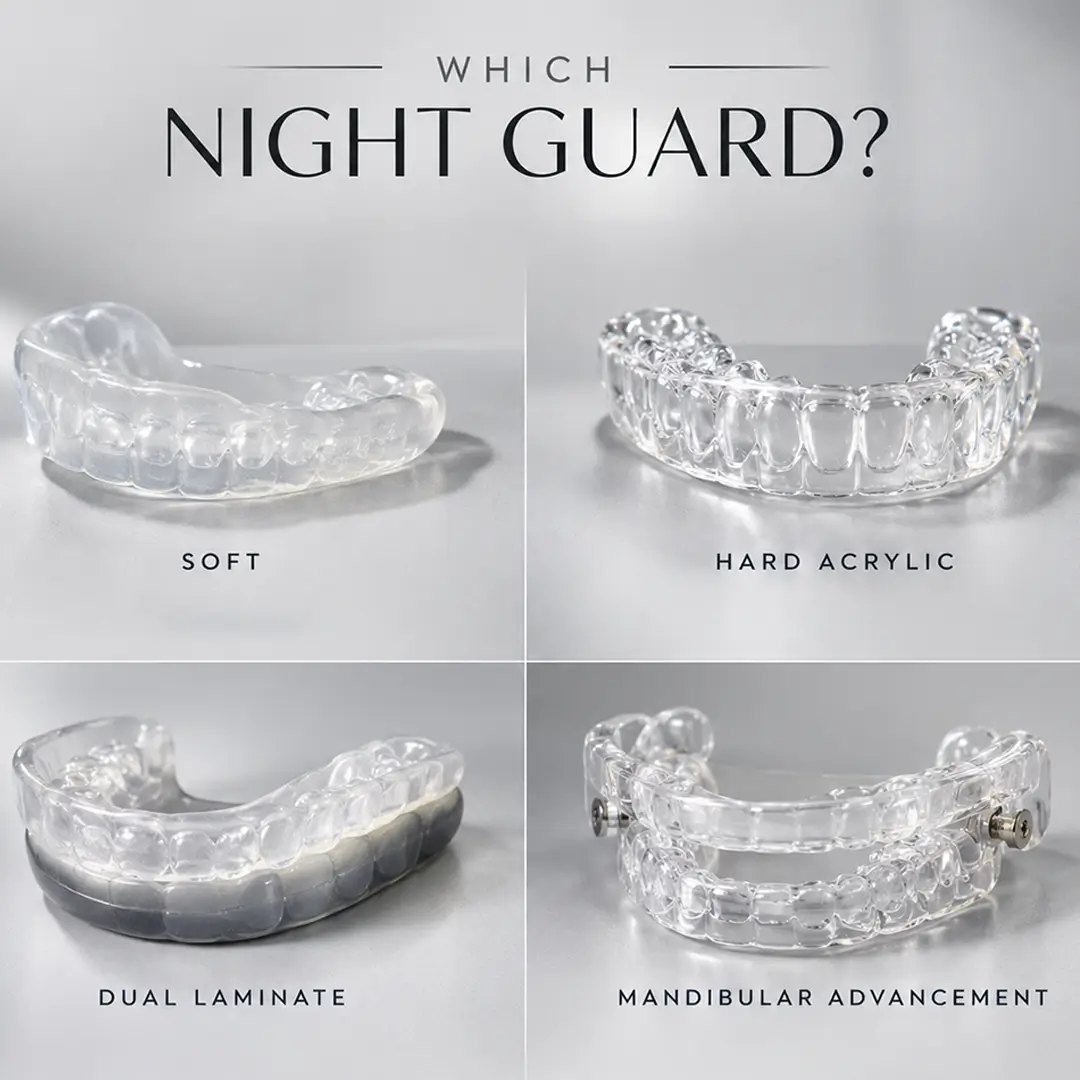
The best night guard for teeth grinding is usually a custom fitted appliance made by a dentist and matched to how hard you grind. Soft guards suit light grinding. Hard acrylic or dual laminate guards protect heavy grinders. A custom guard fits better and lasts longer than an over the counter version.
| Night guard type | Best for | Considerations |
|—|—|—|
| Soft guard | Light or occasional grinding | Comfortable but wears fast under heavy force |
| Hard acrylic guard | Heavy or long term grinding | Very durable, needs a professional fit |
| Dual laminate guard | Moderate to heavy grinding | Soft inside with a hard outer shell for balance |
| Mandibular advancement device | Grinding with snoring or sleep apnea | Repositions the lower jaw and treats both issues |
A custom guard from a dental scan protects teeth better than a boil and bite kit. There is a real trade-off to weigh here. A soft night guard feels comfortable and works well for mild grinding but it is not the right choice for a heavy grinder because the springy material wears through quickly. Systematic reviews of occlusal splints confirm they protect teeth and ease muscle pain even though they do not stop the grinding reflex (Ainoosah et al., 2024). An over the counter boil and bite guard suits an occasional grinder on a budget. A custom guard costs more yet resists wear far longer so it earns its price for nightly grinders. For confirmed heavy grinders, our clinicians favor a custom hard acrylic splint. Our in house laboratory mills each splint for a precise fit, which spares international patients repeat visits.
Ask our team which night guard fits your grinding →
Does Botox Help Teeth Grinding?
Botox can reduce severe teeth grinding by relaxing the jaw muscles that create the clenching force. That eases pain and muscle enlargement. It is used off label for bruxism, meaning outside its original approval. It manages symptoms rather than curing the habit so results are temporary.
Botox deserves a balanced picture rather than a miracle claim. Injected into the masseter muscles, botulinum toxin lowers the bite strength. It can relieve jaw soreness or morning headaches in heavy grinders. Systematic reviews report a genuine drop in symptoms (Yacoub et al., 2025). The effect fades after roughly three to four months so treatment must repeat to hold results. It is not a first line answer for mild grinding. The dose targets only the chewing muscles so speaking and smiling stay normal when an experienced clinician places it. Bruising or brief weakness can follow, which is another reason the injection belongs in trained hands. It works best within a plan that still includes a night guard plus stress management. One trial found both a splint and botulinum toxin eased jaw muscle pain in probable sleep bruxism (Chisini et al., 2024). Any injection should follow a proper assessment of your jaw and goals.
Restoring Teeth Damaged by Teeth Grinding
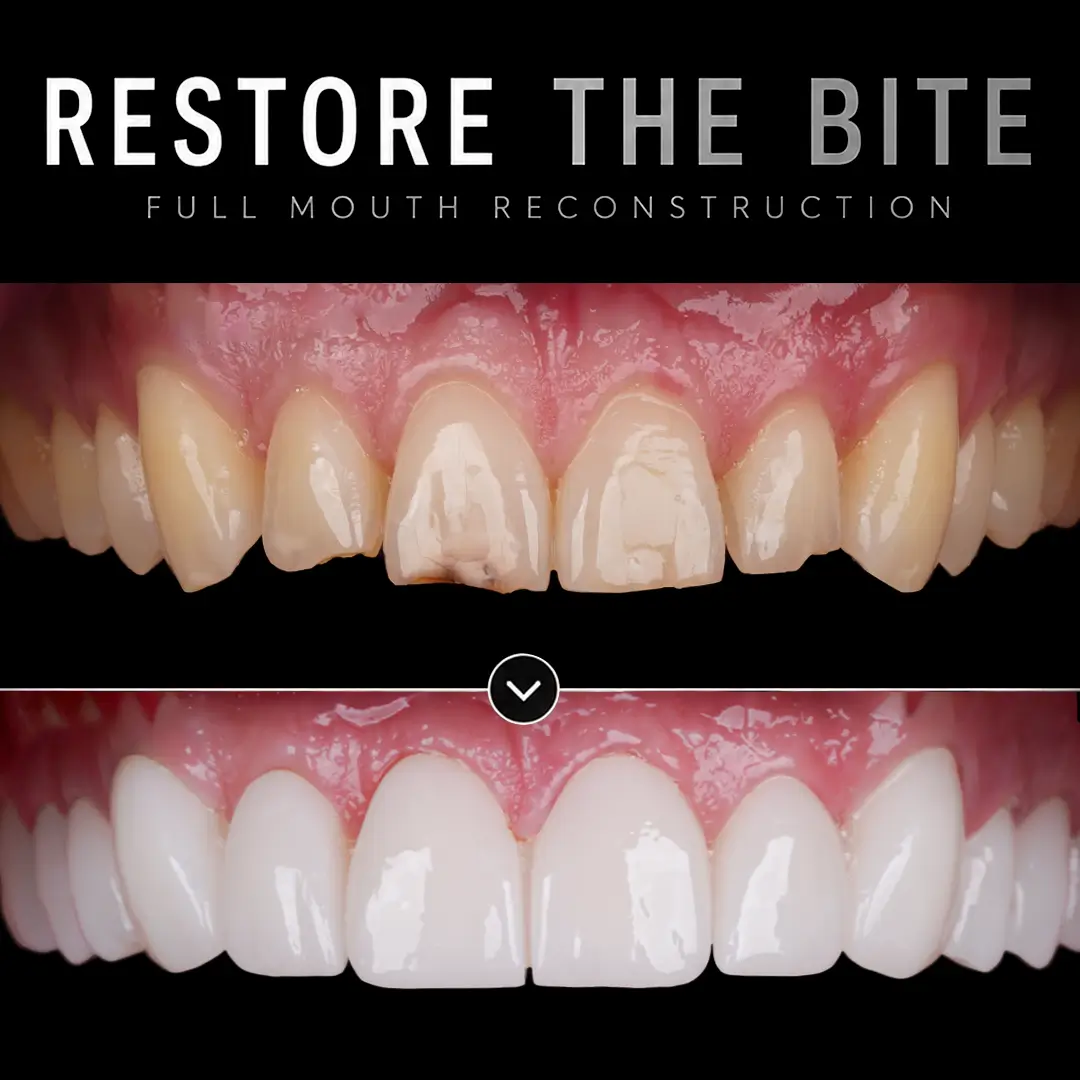
When grinding has already worn or fractured teeth, restoration is the way to rebuild what was lost. Minor wear can be smoothed or bonded. A tooth ground down to the dentin often needs a zirconia crown. Years of heavy grinding may call for a full mouth reconstruction that rebuilds many teeth at once.
The right repair depends on how much tooth is gone and whether the bite height has dropped. A small worn edge can be polished. A tooth worn to the dentin usually needs a crown for full coverage. In advanced cases grinding lowers the vertical dimension of the whole bite, which calls for a coordinated plan. Our team has managed exactly this. In one documented case, a patient with severe bruxism received a staged full mouth rehabilitation that restored the bite with a 28 unit reconstruction. Any restoration should pair with a night guard because new crowns face the same forces that damaged the originals. If heavy clenching has also strained the gums and supporting bone, gum disease treatment and periodontal care stabilizes the foundation first. Where grinding cracks a tooth deeply, root canal treatment by endodontic specialists can save it. Rebuilding worn teeth also restores the bite height, which relieves the strain that grinding placed on the jaw. Clinical reviews confirm that splints protect these restorations over time (Ainoosah et al., 2024).
Teeth Grinding in Children: Baby and Toddler
Teeth grinding in children is common and usually harmless. Many babies or toddlers grind their new teeth as they come through. Because young teeth and jaws change so quickly, most children outgrow the habit without treatment. It rarely damages teeth the way adult grinding does.
Parents often hear the sound at night and worry yet reassurance is usually the right first step. Grinding in a baby or toddler frequently settles as the teeth settle into place. Teething often drives the earliest grinding as a baby rubs sore gums for relief. A toddler may also grind while adjusting to new molars around age two. Reviews of childhood sleep bruxism find that most cases need monitoring rather than active treatment (Senff et al., 2023). Common triggers include teething discomfort or emotional stress. Less often, conditions such as ADHD or certain medications play a part. Treatment is reserved for the few children with heavy wear or pain. It then follows the child’s age rather than a routine appliance (Casazza et al., 2022). Our team checks a child’s teeth for wear before suggesting anything. Mention the grinding at the next dental visit. Avoid pushing treatment a child does not need. If the grinding is loud every night or a molar looks chipped, book a check sooner rather than later.
When to See a Dentist About Teeth Grinding
See a dentist if you wake with frequent headaches, jaw pain or tooth sensitivity if a partner hears you grinding or if your teeth look flattened. Early assessment protects the teeth before wear turns severe. It also finds any sleep or bite problem behind the grinding.
A dentist diagnoses bruxism from the pattern of wear, your reported symptoms or a sleep study. The plan then balances protection with the underlying cause. Your dentist may also fit a trial night guard and review it after a few weeks to check the fit. Regular six month checkups catch grinding early while a night guard still prevents most damage. We track wear year on year in our clinic to see whether a guard is holding. International Plus holds official Ministry of Health authorization. It carries 5,504+ verified reviews at 4.8/5 and has treated 200,000+ patients from 140+ countries. That record makes it one of the most credible clinics in Istanbul for diagnosing teeth grinding and restoring the damage it causes.
Discuss your teeth grinding with the International Plus team →
Frequently Asked Questions
How do I stop grinding my teeth at night?
Combine a custom night guard with treatment of the cause. Keep caffeine to the morning, avoid alcohol late or screen for sleep apnea if you snore. The guard protects your teeth while these changes lower how often you grind so both steps work together for a lasting result.
Is teeth grinding a serious problem?
It depends on how often and how hard you grind. Occasional grinding rarely causes harm. Frequent, forceful grinding over time can wear down enamel, crack teeth or strain the jaw joint. Over the long term it can also trigger regular headaches so a dental review tells you whether protection is needed.
Does Botox help teeth grinding?
Botox can help severe grinding by relaxing the jaw muscles, which reduces the clenching force plus the pain and muscle bulk. It is used off label, manages symptoms rather than curing the habit and lasts about three to four months before repeat treatment. It works best alongside a night guard and stress management.
Why is my child grinding their teeth?
Most children grind their teeth as new teeth come through or during stress and it is usually harmless. Because young teeth and jaws change quickly, the habit typically fades on its own. Mention it at your child’s dental visit so wear can be checked but treatment is rarely needed.
Can teeth grinding be cured?
There is no single cure that stops the grinding reflex, especially during sleep. Treatment instead focuses on protecting the teeth with a night guard and reducing triggers such as stress, poor sleep or caffeine. In many people grinding eases over time and restoration repairs any teeth already worn down.
What does teeth grinding do to your teeth?
Long term grinding flattens the biting surfaces and thins the enamel, then exposes the sensitive dentin underneath. It may chip or crack teeth, loosen them in severe cases or strain the jaw joint. Heavily worn teeth often need crowns or in advanced cases, a full mouth restoration to rebuild the bite.
Reviewed by Dr. Eren Gülbahar
References
- Beddis H, et al. Sleep bruxism: an overview for clinicians. Br Dent J. 2018. PMID: 30237554
- Minakuchi H, et al. Managements of sleep bruxism in adult: A systematic review. Jpn Dent Sci Rev. 2022. PMC8958360
- Ainoosah S, et al. Comparative analysis of different types of occlusal splints for the management of sleep bruxism: a systematic review. BMC Oral Health. 2024. PMC10770907
- Yacoub S, et al. Efficacy of botulinum toxin type A in bruxism management: A systematic review. Dent Med Probl. 2025. PMID: 40035138
- Chisini LA, et al. Occlusal splint or botulinum toxin-a for jaw muscle pain treatment in probable sleep bruxism: A randomized controlled trial. J Dent. 2024. PMID: 39510242
- Senff J, et al. Childhood and Adolescents Sleep Bruxism Treatment: A Systematic Review. Sleep Sci. 2023. PMC10773508
- Casazza E, et al. Management of idiopathic sleep bruxism in children and adolescents: A systematic review of the literature. Arch Pediatr. 2022. PMID: 34955303
Follow us on Social Media
internationalplusofficial
internationalplus
internationalplusdental
This content is written, reviewed, and approved by the International Plus Medical Review Board to ensure clinical accuracy and adherence to strict editorial standards. All medical information is regularly monitored, audited and updated in light of the latest scientific advancements.
However the information provided here is for general informational purposes only and cannot be used for self diagnosis or making individual health interpretations. Results of medical treatments depend on individual anatomy and the unique healing process of each patient. This information should not replace a personal consultation with a qualified healthcare professional. To understand the best options for your specific needs and to receive a personalized treatment plan, we invite you to book a free consultation with the expert medical team at International Plus.

I am a healthcare professional with over 4 years of experience in dentistry, specializing in prosthetic dental treatment and implant-based applications. Since 2024, I have been serving as chief physician, leading clinical management, team coordination, and international patient processes. With my B2-level English proficiency, I am able to communicate effectively with international patients. I am a patient-centered, innovative, and solution-oriented dentist who prioritizes patient satisfaction.