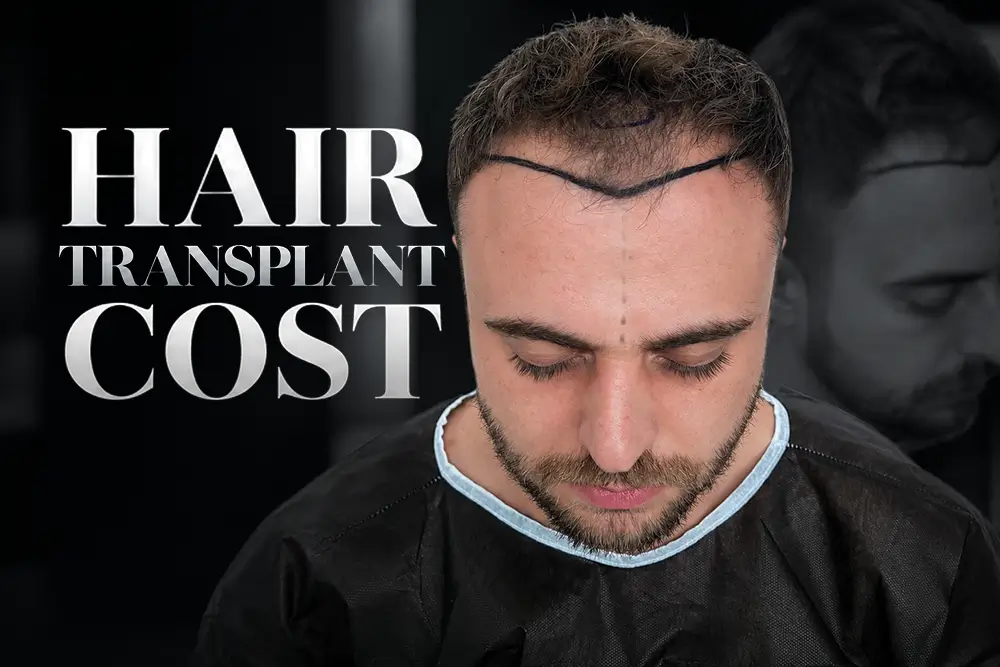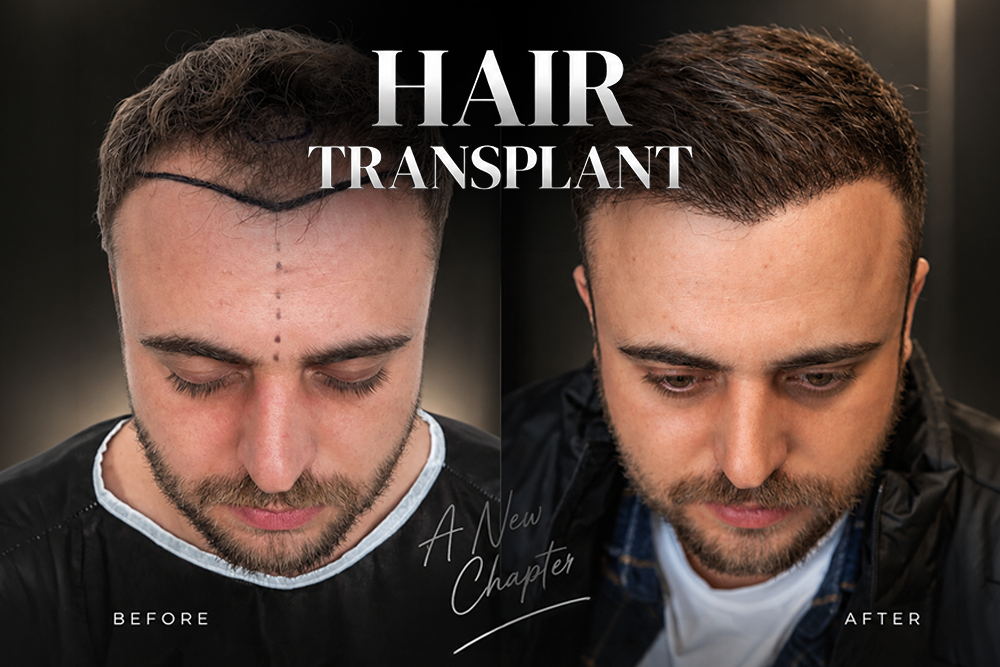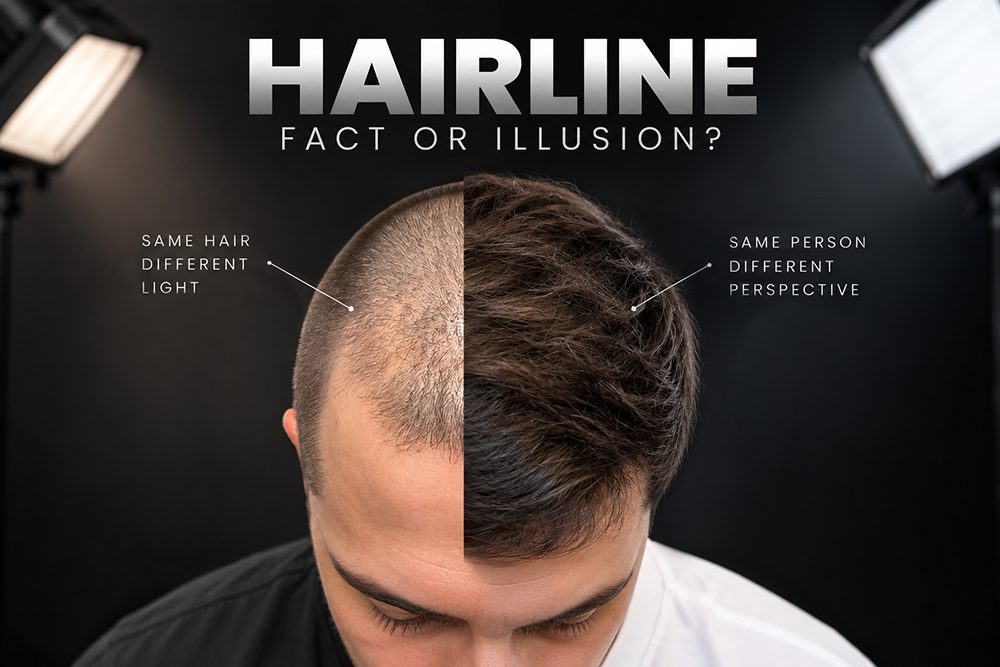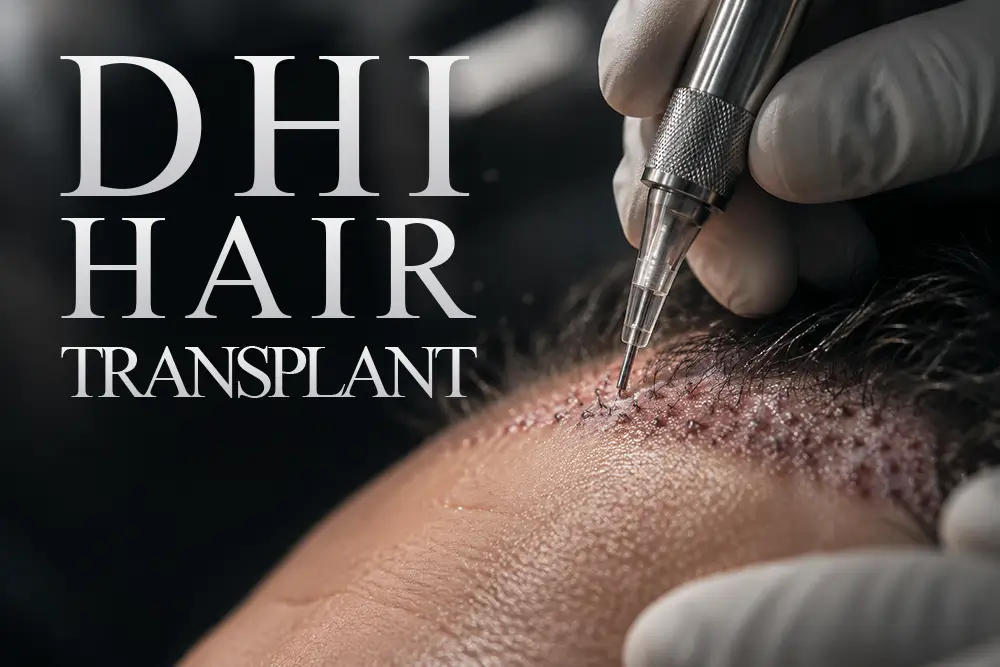
A DHI hair transplant is marketed as a separate operation yet only one step of the procedure is genuinely different. Extraction; graft dissection; anaesthesia; aftercare match standard follicular unit extraction almost exactly. What changes is placement because the graft travels through an implanter pen instead of into a pre-cut channel. This International Plus guide separates the mechanics from the marketing: how the pen works; where the method helps; where a channel-based approach still wins.
Key Takeaways
- A DHI hair transplant is an implantation method inside the FUE family, not a distinct surgical discipline since extraction is identical in both.
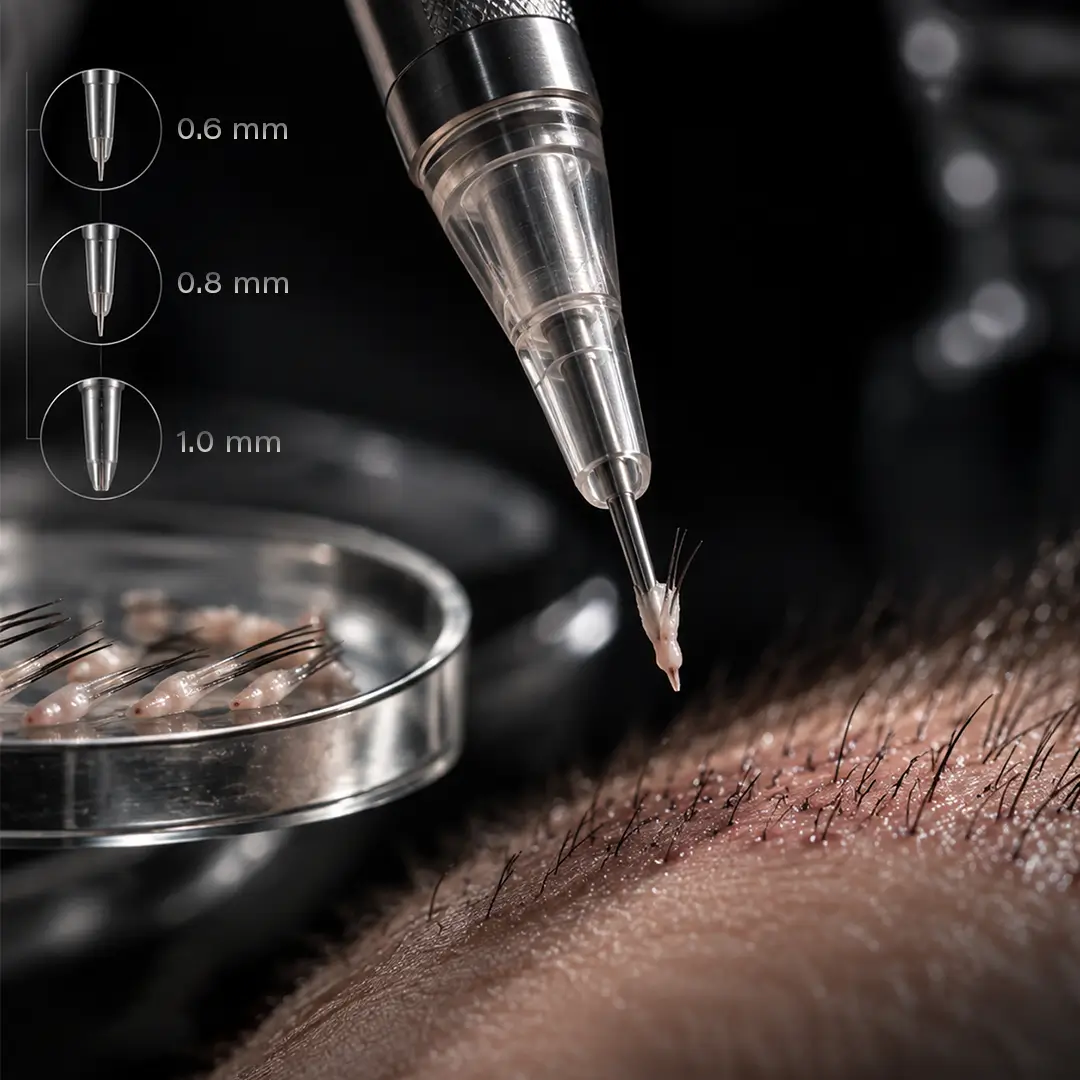
- The Choi implanter pen cuts the recipient site and delivers the graft in one motion with needle gauges running from 0.6 to 1.0 mm.
- DHI shortens graft handling time yet slows throughput, which makes the method stronger in small dense zones than in large multi-zone rebuilds.
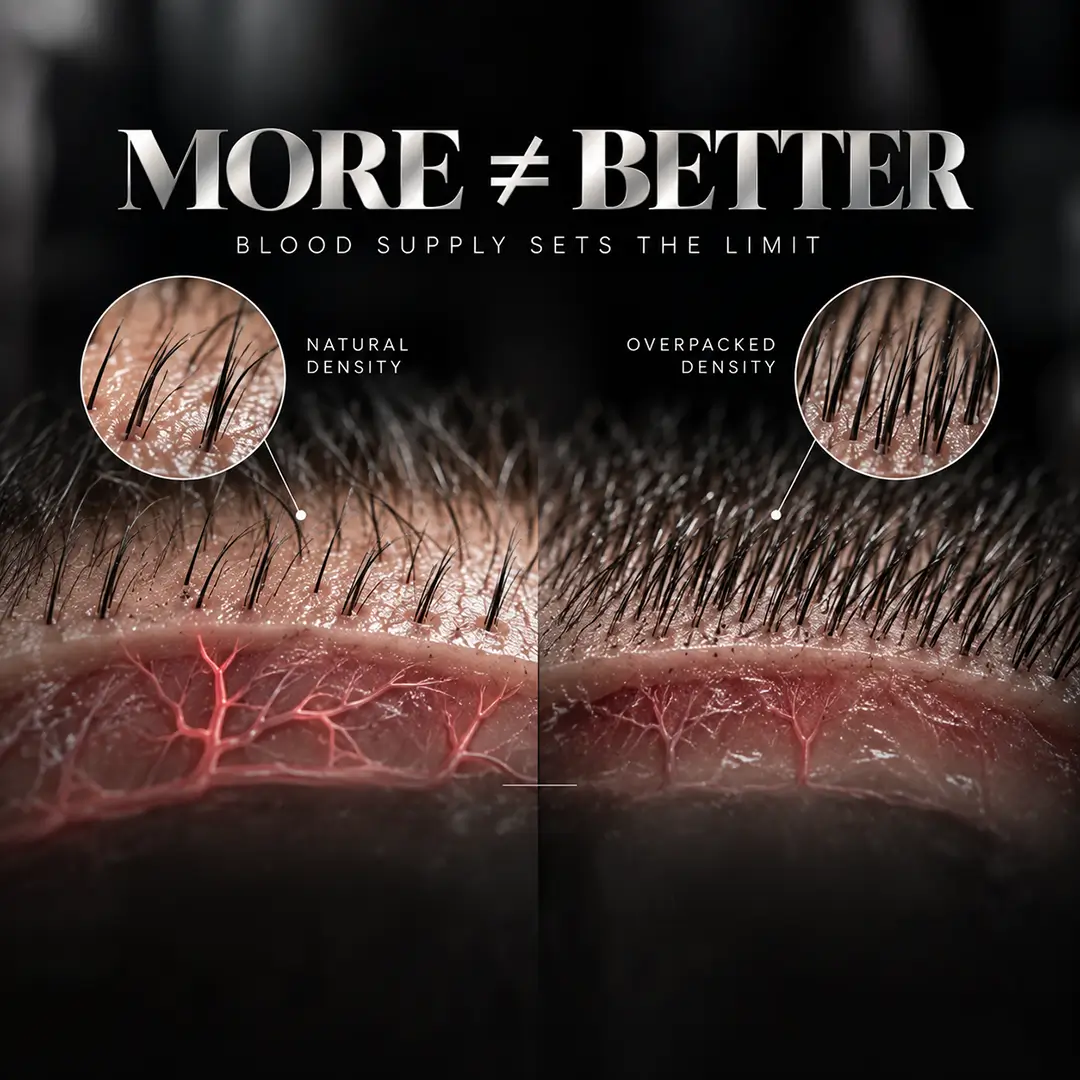
- Achievable density is limited by blood supply, not by the instrument so higher packing claims deserve scepticism.
- Recovery, shedding, the growth timeline: each behaves the same in DHI as in standard FUE.
What Is a DHI Hair Transplant?
A DHI hair transplant is a follicular unit extraction procedure in which grafts are implanted with Choi implanter pens rather than into pre-cut recipient channels. Extraction stays identical to standard FUE, performed with a 0.7 to 1.0 mm micropunch. Only the final placement step genuinely changes.
Naming causes most of the confusion. DHI stands for Direct Hair Implantation, a branded description of a placement method rather than a separate surgical discipline. According to Gupta and colleagues in Facial Plastic Surgery (2024), follicular unit excision terminology has multiplied faster than the underlying science, which is why clinic marketing sounds more distinct than the operations behind it. In practice, our surgeons describe DHI as a placement technique inside the FUE family. Candidacy assessment for any hair transplant procedure precedes the technique conversation since donor density decides what is possible first.
How Does the Choi Implanter Pen Work?
The Choi implanter pen is a hollow needle device creating the recipient incision and delivering the graft in a single motion. A follicular unit is loaded into the cartridge, the needle pierces the scalp at the chosen angle, then a plunger releases the graft. Needle gauges run from 0.6 to 1.0 mm.
Gauge selection matters more than brand. A 0.6 mm needle suits single-hair grafts along a hairline while a 1.0 mm needle handles three-hair or four-hair units across the mid-scalp. Matching gauge to graft calibre limits trauma at placement. For example, forcing a coarse three-hair graft through a narrow cartridge crushes the follicle. Kwack and colleagues in Dermatologic Surgery (2021) examined handling factors governing graft survival, which is why loading discipline outranks instrument branding. Our surgical team sizes pens per zone using Choi cartridge sets before the operating day, then records gauge selection in the operative note. Fine work such as an eyebrow transplant relies almost entirely on the narrowest gauges.
DHI vs FUE: What Actually Differs?
The difference between DHI and FUE is the implantation step alone. FUE opens recipient channels first, then places grafts with forceps. DHI combines both actions inside the pen. Extraction; graft dissection; anaesthesia; aftercare stay the same across the 2 approaches, which surprises most patients.
Three practical consequences follow. First, DHI shortens the interval a graft spends outside the body since placement follows loading immediately. Second, DHI runs slower per graft because each unit is loaded individually rather than in batches. Third, DHI allows a shorter recipient trim in selected cases though the donor area still needs clipping. According to Rose and colleagues in Dermatologic Clinics (2018), advances in restoration have concentrated on graft handling rather than on new biology. For instance, a 4,000-graft session usually favours standard FUE on time grounds alone. Our team schedules pen cases with a longer theatre block. The documented growth timeline is identical for both routes.
Does DHI Really Deliver Higher Density?
Density in a DHI hair transplant is a function of blood supply and incision burden rather than of the implanting instrument. Packing grafts above roughly 45 units per square centimetre risks vascular compromise regardless of technique. The pen changes how a graft is placed, not how much the scalp can nourish.
Marketing outruns biology here. Higher achievable density is the most repeated DHI claim. The mechanism offered is precision placement. Precision genuinely helps angle control. Vascularity still sets the ceiling. Real-world outcomes reported by Queen and colleagues in Dermatologic Surgery (2025) frame zone planning plus donor supply as the dominant variables. Dense packing suits a small hairline zone but rarely suits a wide crown because the same vascular limit applies across a much larger surface. Our surgeons cap density per zone rather than per patient request, a rule recorded in the written surgical plan. Budget expectations belong in the same conversation as our breakdown of hair transplant cost explains.
How Does DHI Compare With Sapphire FUE?
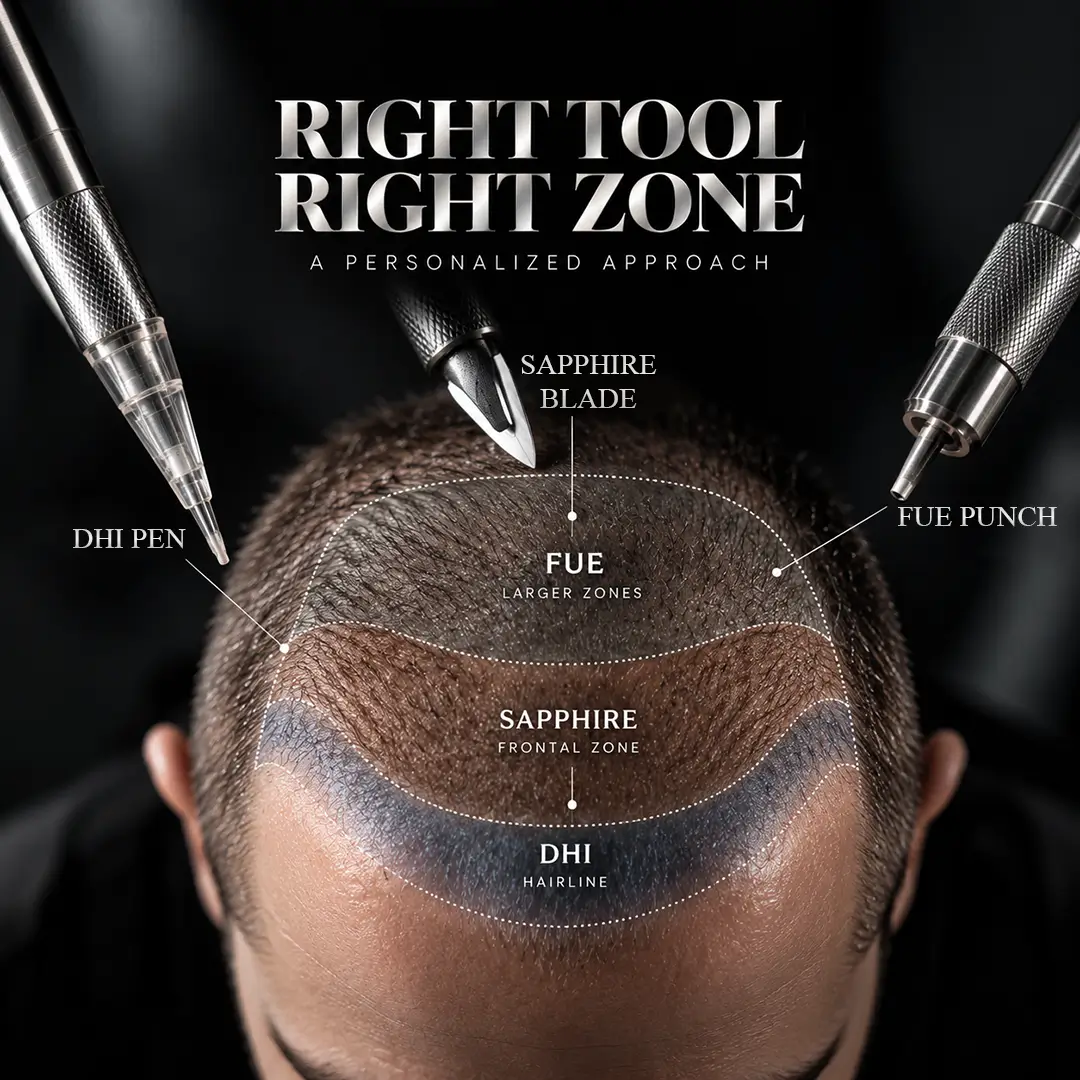
Sapphire FUE is a channel-opening variant using sapphire-tipped blades instead of steel to create recipient sites. DHI skips separate channels entirely. Both begin with identical extraction. Choosing between the 3 routes turns on zone size; graft calibre; session length rather than on any marketing hierarchy.
Instrument choice follows anatomy. Sapphire blades create narrower, smoother incisions capable of sitting closer together across a flat frontal zone. Steel blades remain the workhorse for large sessions. Implanter pens dominate small dense zones plus work between existing hairs. In practice, our surgeons combine methods within one operation, opening sapphire channels across the frontal third while placing pen grafts among surviving native hairs. Zhang and colleagues reported on graft survival determinants in Plastic and Reconstructive Surgery (2025), reinforcing that handling discipline outweighs the instrument label.
| Feature | DHI with implanter pen | Standard FUE | Sapphire FUE |
|—|—|—|—|
| Extraction | Micropunch, identical | Micropunch, identical | Micropunch, identical |
| Recipient site | Created by the pen needle | Steel blade channel | Sapphire blade channel |
| Graft handling time | Shortest per graft | Batched placement | Batched placement |
| Session throughput | Slowest per graft | Fastest | Fast |
| Strongest use | Small dense zones between native hairs | Large multi-zone cases | Flat frontal zones |
Technique selection in the table above is a clinical judgement made per zone, never a fixed ranking.
Who Suits a DHI Hair Transplant and Who Does Not?
A good DHI candidate is a patient needing dense placement inside a defined zone: a hairline; a scar; an eyebrow; work between surviving native hairs. Sessions under 2,500 grafts suit the method best. Patients with donor density below 40 units per square centimetre need caution regardless of technique.
Fit depends on zone size more than on age. Large multi-zone rebuilds above 3,500 grafts run long under a pen because loading is sequential. Diffuse female thinning behaves differently again as our guide to female surgical candidacy sets out. According to Park and colleagues in Annals of Plastic Surgery (2019), non-shaven extraction is feasible though the approach demands more operative time. For example, a patient wanting minimal visible trimming may accept a longer surgical day in exchange. Our coordinators explain the trade first, then confirm the booking. A beard transplant is another natural pen indication.
What Does DHI Recovery Look Like?
DHI recovery is a 10 to 14 day surface healing process followed by the same 12 months of growth every transplant needs. Crusting settles within 10 days. Donor punch sites close without stitches. Transplanted shafts shed between weeks 2 and 6 after a DHI hair transplant exactly as after standard FUE.
Differences at the surface stay modest. Pen placement can leave slightly less recipient crusting because no separate channel was cut beforehand. Swelling patterns match standard FUE closely. For instance, patients flying home within 3 days follow the identical wash protocol either way, a routine covered in our medical travel framework. Verification steps for any clinic shortlist appear in the overview of the most trusted clinics in Turkey. Our nursing team issues one aftercare sheet for both techniques, then reviews photographs at month 3. International Plus holds a 4.8/5 rating over 5,504 verified reviews and individual results vary.
Book a technique assessment with our coordination team and receive a zone by zone plan explaining why each method was chosen.
Frequently Asked Questions
Is DHI better than FUE?
Neither method is universally better. DHI shortens graft handling time and suits dense placement in small zones while standard FUE handles large multi-zone cases faster. Extraction, recovery and the growth timeline are identical. The right answer depends on zone size, graft calibre, plus how many grafts a session needs.
Does a DHI hair transplant require shaving?
The donor area almost always needs clipping so the micropunch can work accurately. A shorter recipient trim is possible in selected cases, which is where no-shave marketing originates. Fully unshaven work is feasible for small zones but adds operative time. A surgeon decides after examining donor density.
What determines the cost of a DHI hair transplant?
Graft count, session length, surgical team seniority, the clinic cost base: each drives the figure, exactly as with standard FUE. Pen cases often run longer per graft, which adds theatre hours. A responsible quote follows a donor examination rather than a price list published online.
What is robotic DHI?
Robotic systems assist follicle extraction using image-guided punches, then a surgical team performs implantation. Marketing sometimes labels the combination robotic DHI. Automation currently addresses harvesting rather than placement so the implanter pen step remains manual. Robotic assistance does not remove the need for an experienced operating team.
When do DHI before and after results appear?
Transplanted shafts shed between weeks 2 and 6, then regrowth begins around month 4. Meaningful density reads at month 8 with the hairline maturing near month 12 and the crown continuing to month 18. Judging a DHI result before month 9 understates the outcome considerably.
How many grafts fit into one DHI session?
Most pen based sessions sit comfortably under 2,500 grafts since each unit is loaded individually. Larger targets are achievable though the surgical day lengthens noticeably. Above roughly 3,500 grafts, many teams switch to channel based placement or split the work into two staged operations.
Reviewed by Dr. Eren Gülbahar
References
- Gupta AK, et al. Facial Plast Surg. 2024. PMID: 37879351
- Kwack MH, et al. Dermatol Surg. 2021. PMID: 33165067
- Rose PT, et al. Dermatol Clin. 2018. PMID: 29108547
- Queen D, et al. Dermatol Surg. 2025. PMID: 40354670
- Zhang J, et al. Plast Reconstr Surg. 2025. PMID: 40489742
- Park JH, et al. Ann Plast Surg. 2019. PMC6392215
Follow us on Social Media
internationalplusofficial
internationalplus
internationalplusdental
This content is written, reviewed, and approved by the International Plus Medical Review Board to ensure clinical accuracy and adherence to strict editorial standards. All medical information is regularly monitored, audited and updated in light of the latest scientific advancements.
However the information provided here is for general informational purposes only and cannot be used for self diagnosis or making individual health interpretations. Results of medical treatments depend on individual anatomy and the unique healing process of each patient. This information should not replace a personal consultation with a qualified healthcare professional. To understand the best options for your specific needs and to receive a personalized treatment plan, we invite you to book a free consultation with the expert medical team at International Plus.

I am a healthcare professional with over 4 years of experience in dentistry, specializing in prosthetic dental treatment and implant-based applications. Since 2024, I have been serving as chief physician, leading clinical management, team coordination, and international patient processes. With my B2-level English proficiency, I am able to communicate effectively with international patients. I am a patient-centered, innovative, and solution-oriented dentist who prioritizes patient satisfaction.