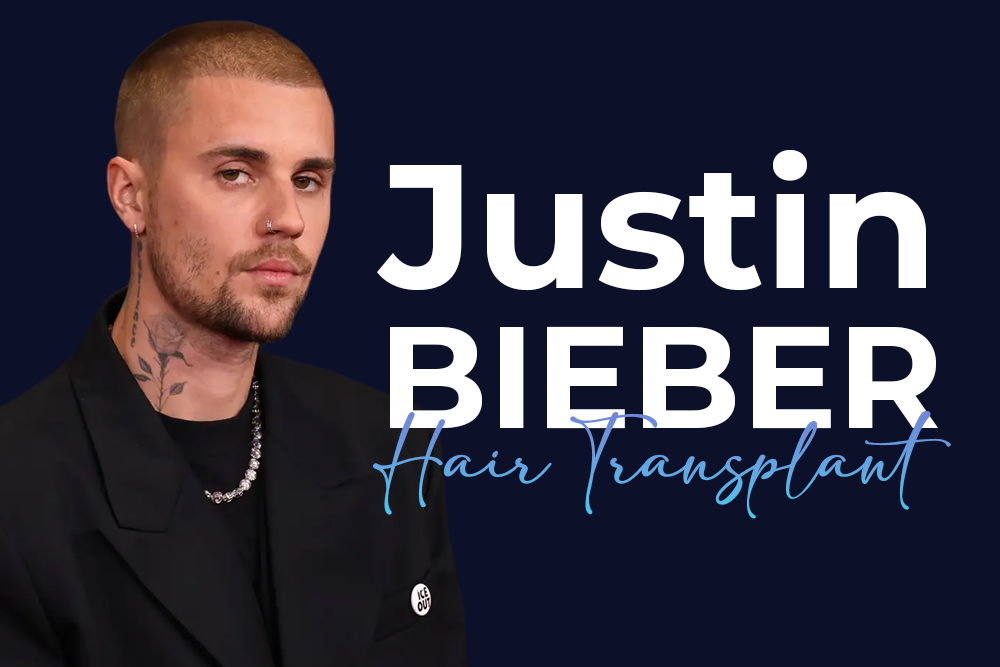
A close up frame from a 2026 awards performance turned the justin bieber hair transplant question into a global talking point within hours. Reporting at the time described side by side screenshots and a budget airline joining the pile on. This article is an independent educational commentary from the surgical team at International Plus. Our clinic has not treated Justin Bieber and holds no affiliation with him. The purpose here is to separate what has actually been documented from what has been assumed, then explain how hair restoration surgery works for anyone weighing the same decision.
Key Takeaways
- Nothing is confirmed. Justin Bieber has never publicly addressed hair restoration and no representative statement exists on the subject.
- A surgeon’s video is not a diagnosis. The most cited analysis came from a physician who has never treated or examined him.
- Healing takes longer than a news cycle. Visible density after a transplant develops across months rather than weeks.
- Ridicule has a clinical cost. Public mockery of male hair loss pushes people toward rushed decisions instead of considered ones.
Why Justin Bieber’s Hairline Became a 2026 News Story
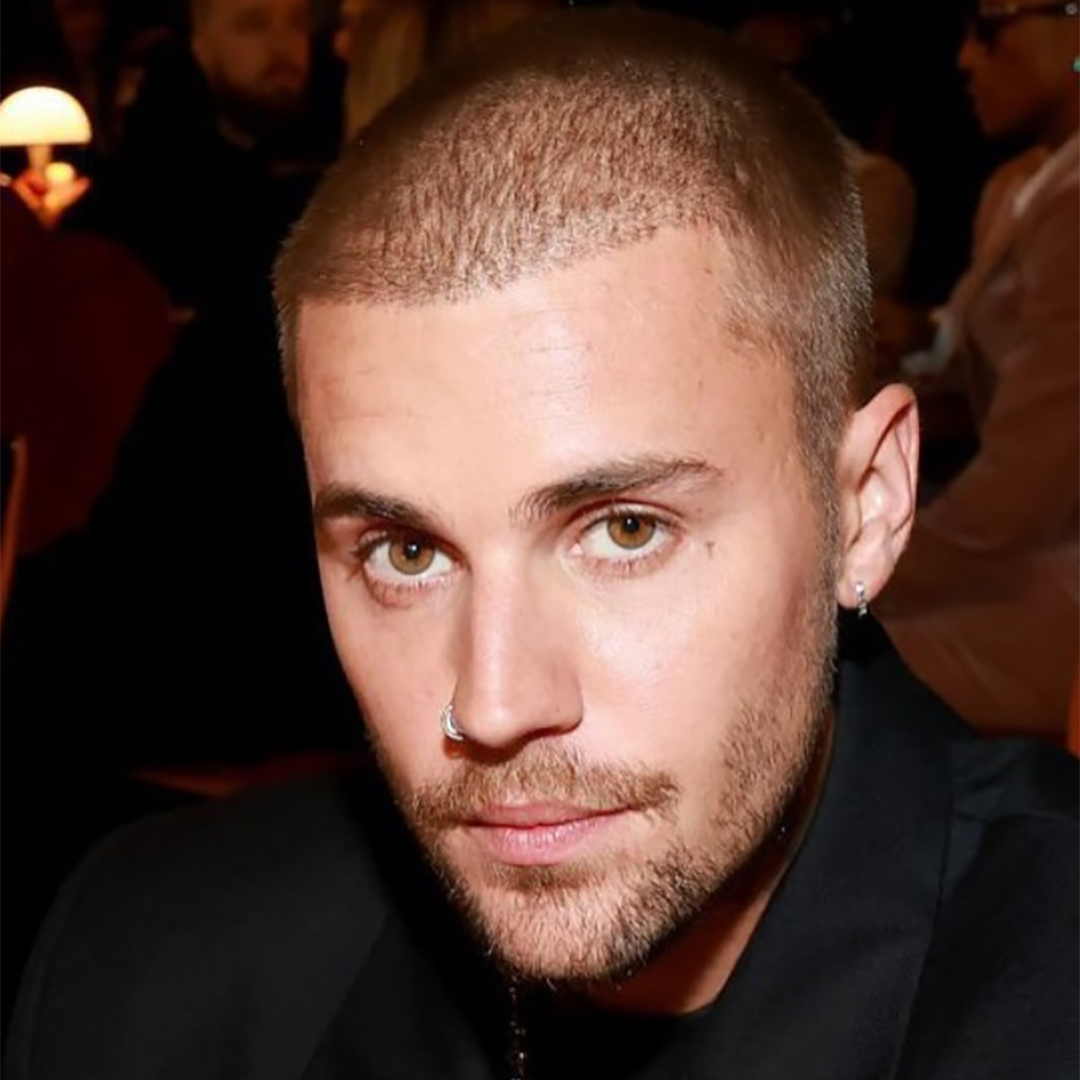
Androgenetic alopecia is a gradual biological process and Justin Bieber has lived through more than 15 years of it under constant photography. According to reporting published in February 2026, a stripped back Grammys performance was overshadowed within hours by close up images of his frontal hairline that spread across social platforms.
The reaction had two parts. First came the amateur analysis: side by side comparisons and confident declarations from people with no medical training. Then came corporate participation when a budget airline quote posted the images with a three word jab about flying to Turkey for surgery. In practice our clinic sees the downstream effect of moments like this because patients arrive having already diagnosed themselves from a stranger’s screenshot.
Has Justin Bieber Confirmed a Hair Transplant?
No confirmation exists. Justin Bieber has never publicly addressed hair restoration surgery and neither he nor his representatives have issued any statement on the subject. Reporting from February 2026 stated the position plainly: there is no confirmation from Bieber that any procedure has taken place, which leaves the entire discussion in speculative territory.
Silence is not evidence. Public figures owe nobody a medical disclosure and treating a lack of comment as an admission is a reasoning error rather than an insight. For example, our team refuses to publish graft estimates or technique guesses about any named individual who has not spoken about their own care. The honest summary is short: the hairline looks different in photographs from different years and the cause is not publicly known.
What Can a Surgeon’s Online Analysis Actually Establish?
A remote video analysis is an opinion about photographs rather than a clinical finding. The most widely cited commentary on this topic came in 2024 from a New York surgeon who has never treated or examined Justin Bieber and who compared a 2018 image showing recession against a 2023 image showing a flatter frontal edge.
Such comparisons are interesting but they are not diagnostic. Additionally, a hairline photographed at two points in time carries no information about what happened between those points. Medication and weight change alter the frontal edge. So do styling habits and a change of barber. Research on hair restoration consistently frames patient selection as an in person assessment (Queen and Avram, 2025) and no serious clinician grades a scalp through a screen. Our clinic applies the same standard used in reviews of Post Malone’s teeth and Nick Carter’s teeth.
How Are FUE Grafts Harvested and Placed?
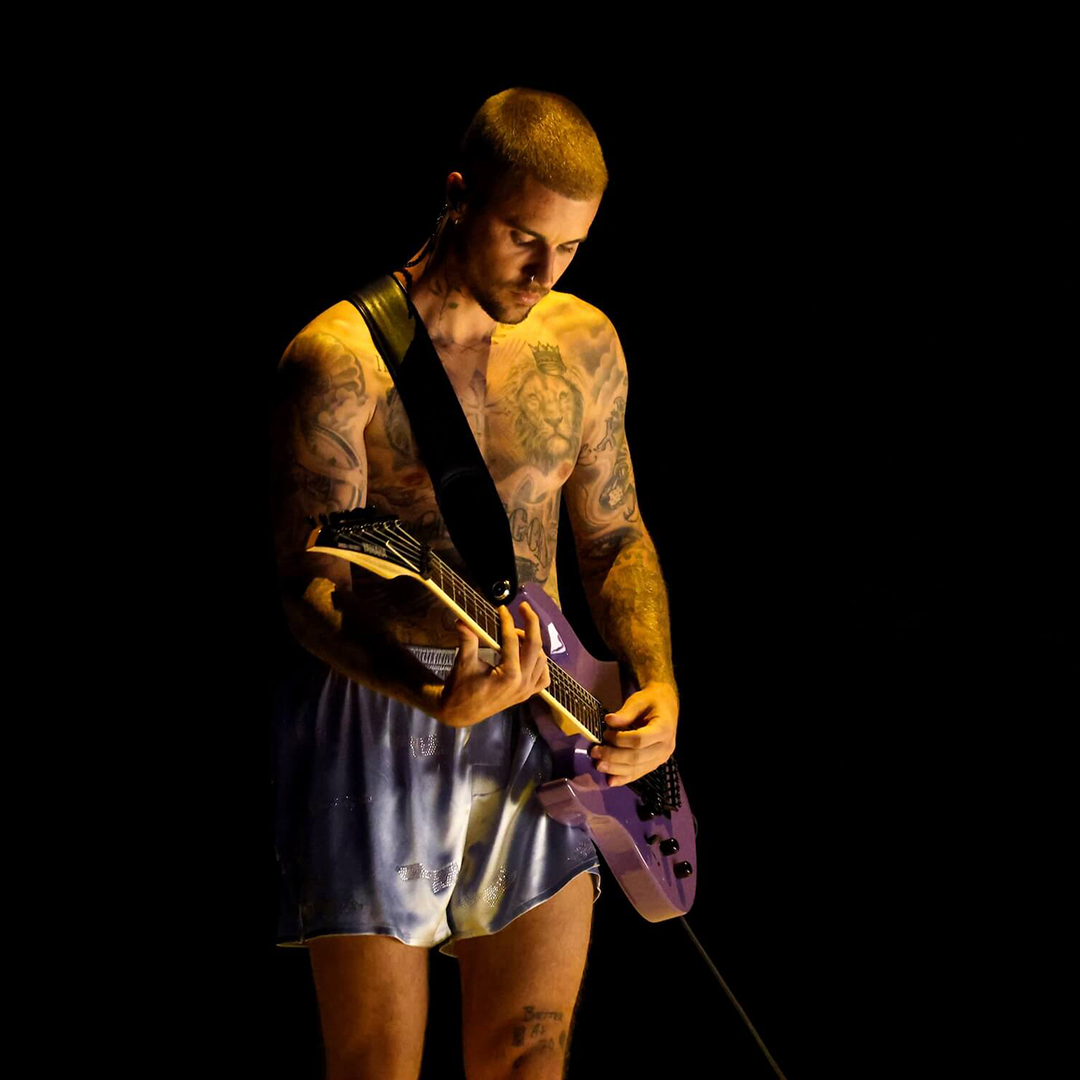
Follicular unit extraction is a technique in which individual groups of 1 to 4 hairs are removed one by one from the donor area using a punch under one millimetre in diameter. According to a 2025 review of the field, both extraction and linear strip excision remain state of the art harvesting methods (Queen and Avram, 2025) and device design keeps improving.
Placement is where hairline design enters. Recipient sites are opened at angles that copy the direction of surrounding hair, then grafts are set so that single hair units sit at the leading edge with heavier units behind. DHI achieves the same goal with an implanter pen that opens and fills a site in one movement. DHI suits dense frontal work where angle control matters most but the method runs slower per graft than standard FUE because every follicle is loaded by hand. Choosing between them is a planning decision. Book Your Free Consultation
What Does Hair Transplant Recovery Look Like Month by Month?
Recovery is a staged biological sequence rather than a single event and the whole timeline runs 12 to 15 months. Transplanted hairs shed early while the follicles beneath the surface stay in place. Growth then restarts on the follicle’s own schedule, which is why photographs taken at 3 months mislead almost everyone who takes them.
| Stage | Typical window | What is usually seen |
| Stage 1 immediate healing | Days 1 to 10 | Crusting around grafts and mild swelling that settles |
| Stage 2 shedding | Weeks 2 to 8 | Transplanted shafts fall out while follicles remain |
| Stage 3 dormant period | Months 2 to 4 | Little visible change, the point patients worry most |
| Stage 4 early regrowth | Months 4 to 8 | Fine new hairs appear and slowly thicken |
| Stage 5 maturation | Months 9 to 15 | Calibre and density improve toward the final result |
Graft survival depends on recipient conditions as much as on surgical skill, a point demonstrated by a 2025 systematic review of survival rates in scarring alopecia (Yii et al., 2025) where compromised tissue reduced yield. Healthy scalp behaves far more predictably. Individual results may vary.
Why Hats and Haircuts Change the Whole Picture
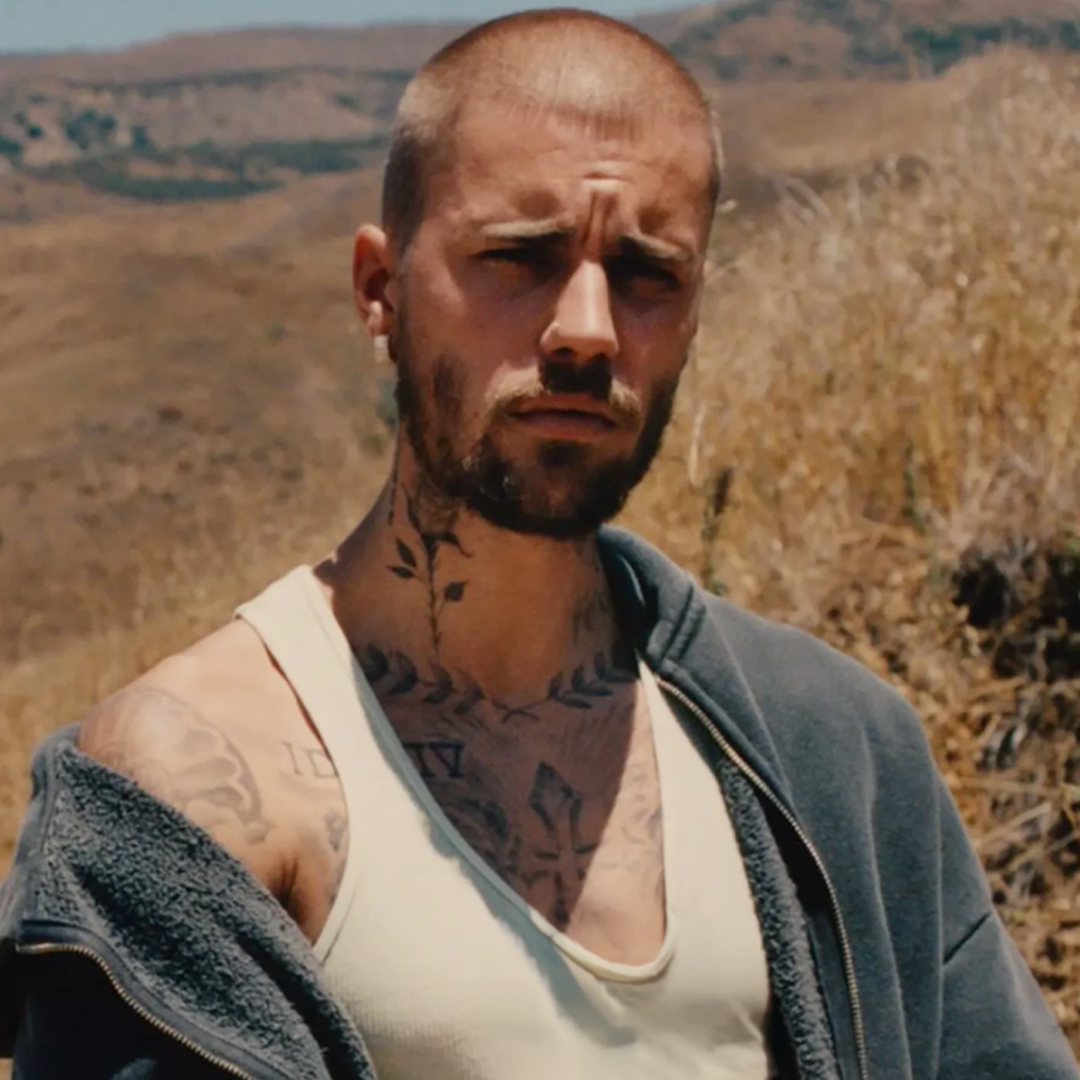
A hat is a styling variable rather than a confession. Frequent head coverings were treated online as proof of a concealed procedure yet a cap changes hairline visibility and leaves an impression that reads as recession in the next photograph. Lighting does the rest.
Haircut length matters just as much. Short crops expose scalp between follicular units and make normal density look sparse while longer front sections cast shadow and read as fuller. Styling product moves the apparent border by several millimetres and a shifted parting does the same. Comparing a stage photograph under harsh key lighting against a daylight paparazzi shot is not a like for like assessment, which is why our clinic measures density with magnification rather than with a phone camera.
Why Public Mockery of Hair Loss Is a Clinical Problem
Ridicule changes patient behaviour and that makes it a clinical issue rather than a cultural footnote. Androgenetic alopecia is the common form of patterned hair loss and research links it to measurable psychosocial impact, particularly in younger men (Ntshingila et al., 2023) and public shaming amplifies that pressure.
Rushed decisions follow. Patients who feel humiliated tend to book quickly and to choose density over durability, skipping the medical workup that should come first. Current evidence describes a condition driven by genetic predisposition and androgen metabolism alongside inflammation and impaired energy metabolism with only two widely approved drug options available (Chen et al., 2025) and none of that changes because of a viral post. Facial hair thinning raises similar questions and beard transplant procedures follow the same planning discipline as does the precision required for eyebrow transplant treatment.
The Bottom Line on the Justin Bieber Hair Transplant Question
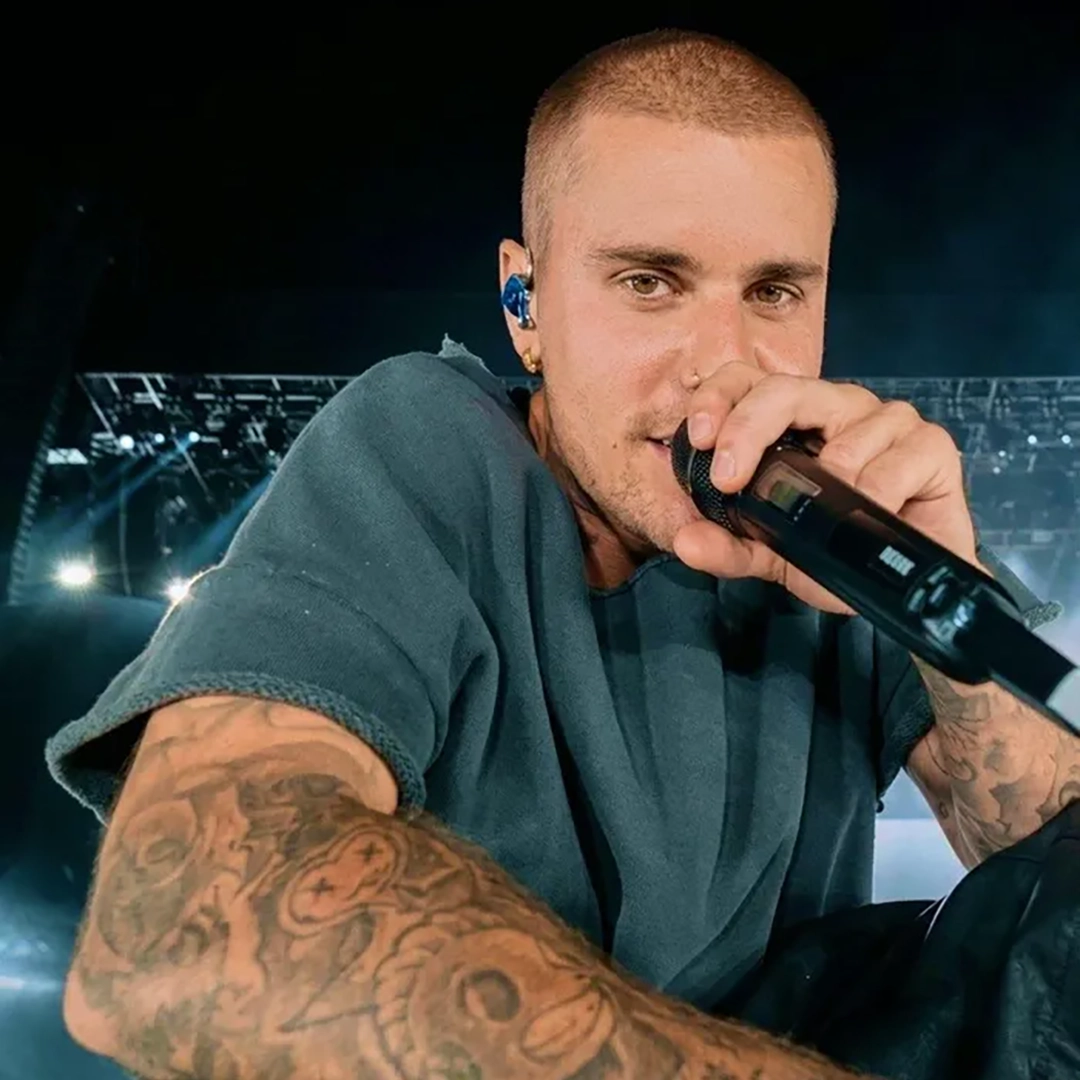
The verdict is that no verdict is available. Justin Bieber has not spoken about hair restoration so any claim about technique or graft numbers is invention dressed as analysis. Photographs establish that a hairline looks different across years, which is documented and nothing beyond that is established.
What deserves attention is the general lesson. Hair loss is ordinary, restoration surgery is a genuine discipline with real constraints and a good outcome depends on planning rather than on speed. International Plus is authorized by the Turkish Ministry of Health and holds a rating of 4.8 out of 5 from more than 5,504 verified reviews and our multidisciplinary team has treated over 200,000 patients from 140+ countries since 2014. Anyone considering hair transplant surgery in Istanbul starts with an examination rather than a photograph. The same standard applies to the Elon Musk hair transplant debate and to the Steve Carell hair transplant discussion. This article is educational commentary and not medical advice. Get a personal hair loss assessment
Frequently Asked Questions
Did Justin Bieber get a hair transplant?
No public confirmation exists. Justin Bieber has never addressed hair restoration surgery and no representative has commented on the subject. Everything circulating online rests on comparing photographs taken years apart, which can show that an appearance changed but cannot establish the cause of that change.
What did doctors say about Justin Bieber’s hairline?
A New York surgeon posted a photo comparison in 2024 arguing that the frontal edge looked flatter in recent images than in older ones. The physician has never treated or examined Justin Bieber so the analysis is a professional opinion about pictures rather than an examination based finding.
Can wearing hats hide a hair transplant?
A cap conceals early healing but it is not evidence of surgery. Head coverings are worn for weather and for privacy. Reading a hat as proof of a procedure confuses a habit with a medical fact and healing appearance in any case settles within the first two weeks.
How long before hair transplant results are visible?
Transplanted shafts shed within the first two months while the follicles stay in place. New growth usually becomes visible between months 4 and 8, then continues thickening until roughly month 15. Judging any result before the ninth month gives a misleading impression of the final density.
Does a hair transplant work for a receding hairline?
Restoration can rebuild a frontal edge when donor supply allows it though surgery does not halt ongoing loss in untreated native hair. Surgeons therefore discuss medical maintenance alongside any procedure. A personal consultation determines whether the donor area can support the density being requested.
Reviewed by Dr. Eren Gülbahar
References
- Queen D and Avram MR, Hair Transplantation: State of the Art. Dermatol Surg. 2025. PMID 40354670
- Shapiro R, Principles and techniques used to create a natural hairline in surgical hair restoration. Facial Plast Surg Clin North Am. 2004. PMID 15135130
- Ntshingila S et al, Androgenetic alopecia: An update. JAAD Int. 2023. PMC10562178
- Chen S et al, Androgenetic Alopecia: An Update on Pathogenesis and Pharmacological Treatment. Drug Des Devel Ther. 2025. PMC12380480
- Yii V et al, A Systematic Review of Follicular Unit Graft Survival Rates After Hair Transplantation in Primary Cicatricial Alopecia. Dermatol Surg. 2025. PMID 40439233
- Devjani S et al, Androgenetic Alopecia: Therapy Update. Drugs. 2023. PMC10173235
Follow us on Social Media
internationalplusofficial
internationalplus
internationalplusdental
This content is written, reviewed, and approved by the International Plus Medical Review Board to ensure clinical accuracy and adherence to strict editorial standards. All medical information is regularly monitored, audited and updated in light of the latest scientific advancements.
However the information provided here is for general informational purposes only and cannot be used for self diagnosis or making individual health interpretations. Results of medical treatments depend on individual anatomy and the unique healing process of each patient. This information should not replace a personal consultation with a qualified healthcare professional. To understand the best options for your specific needs and to receive a personalized treatment plan, we invite you to book a free consultation with the expert medical team at International Plus.

I am a healthcare professional with over 4 years of experience in dentistry, specializing in prosthetic dental treatment and implant-based applications. Since 2024, I have been serving as chief physician, leading clinical management, team coordination, and international patient processes. With my B2-level English proficiency, I am able to communicate effectively with international patients. I am a patient-centered, innovative, and solution-oriented dentist who prioritizes patient satisfaction.