
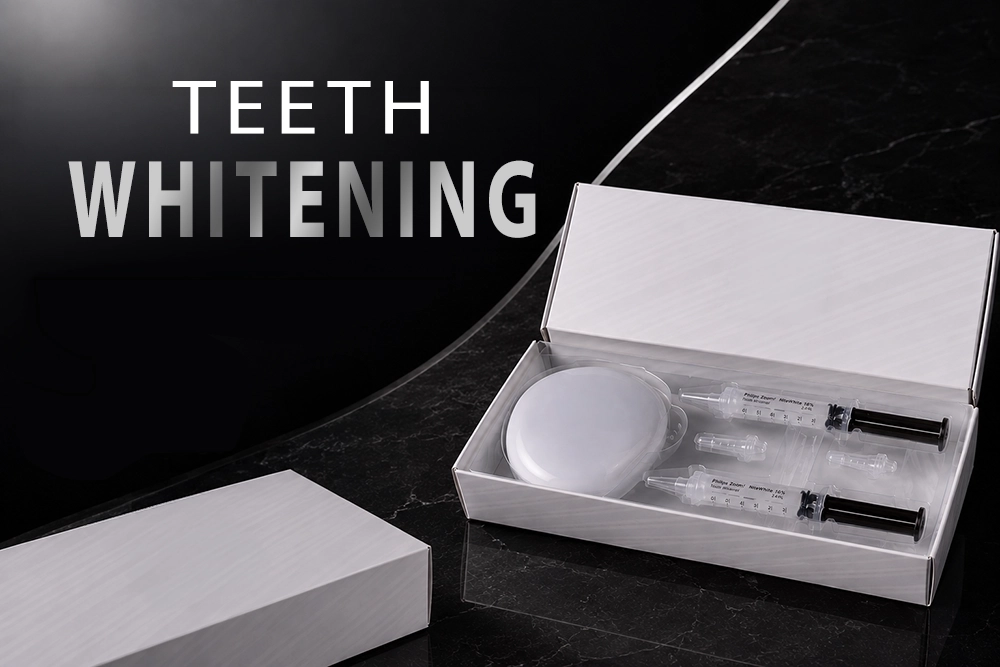
Teeth whitening strips are thin flexible strips coated with a peroxide gel that sticks to the front of your teeth and lifts surface stains at home. Used as directed, strips can lighten natural enamel by about one to two shades over one to two weeks. This International Plus guide explains how the peroxide gel works, how to use strips safely, who should avoid them, then how at home whitening compares with in office treatment. The aim is an honest, evidence based picture rather than a shortcut promise so you can decide with clear expectations.
Key Takeaways
- Teeth whitening strips are coated with hydrogen peroxide or carbamide peroxide gel that lifts surface stains and can lighten enamel by roughly one to two shades.
- Most strips are worn for 5 to 30 minutes once daily over 7 to 14 days with the brighter shade often lasting around 4 to 6 months given good habits.
- Mild tooth sensitivity is the most common side effect, reported in about 60 to 70 percent of users, usually fading within days.
- Strips whiten only natural enamel, not dental work such as crowns or veneers, performing best on surface stains from drinks like coffee or tea.
- A dental exam confirms whether at home strips or professional whitening suits your enamel and the type of staining you have.
What Are Teeth Whitening Strips and How Do They Work?
Teeth whitening strips are flexible plastic strips coated with a peroxide based gel that adheres to the enamel and releases active oxygen. That oxygen breaks the chemical bonds inside stain molecules. The pigment then looks smaller and less visible so teeth appear brighter after repeated daily use.
The active ingredient is usually hydrogen peroxide or carbamide peroxide, the same family of agents dentists use though at a much lower concentration in over the counter products. Peroxide temporarily opens tiny pores in the enamel so the gel can reach pigment beneath the surface, then the enamel remineralises between sessions. A 2016 systematic review by Serraglio and colleagues in Clinical Oral Investigations found that over the counter strips produced measurable whitening compared with placebo though the strips trailed higher concentration gels. In our practice at International Plus, the cosmetic team first checks that discolouration is stain related rather than caused by decay or an old filling because a strip cannot fix a problem sitting inside the tooth. Newer color correcting formulas marketed as purple or peroxide free rely on optical pigments or milder actives so those products behave differently from true bleaching strips.
Do Teeth Whitening Strips Really Work and How Long Does It Take?
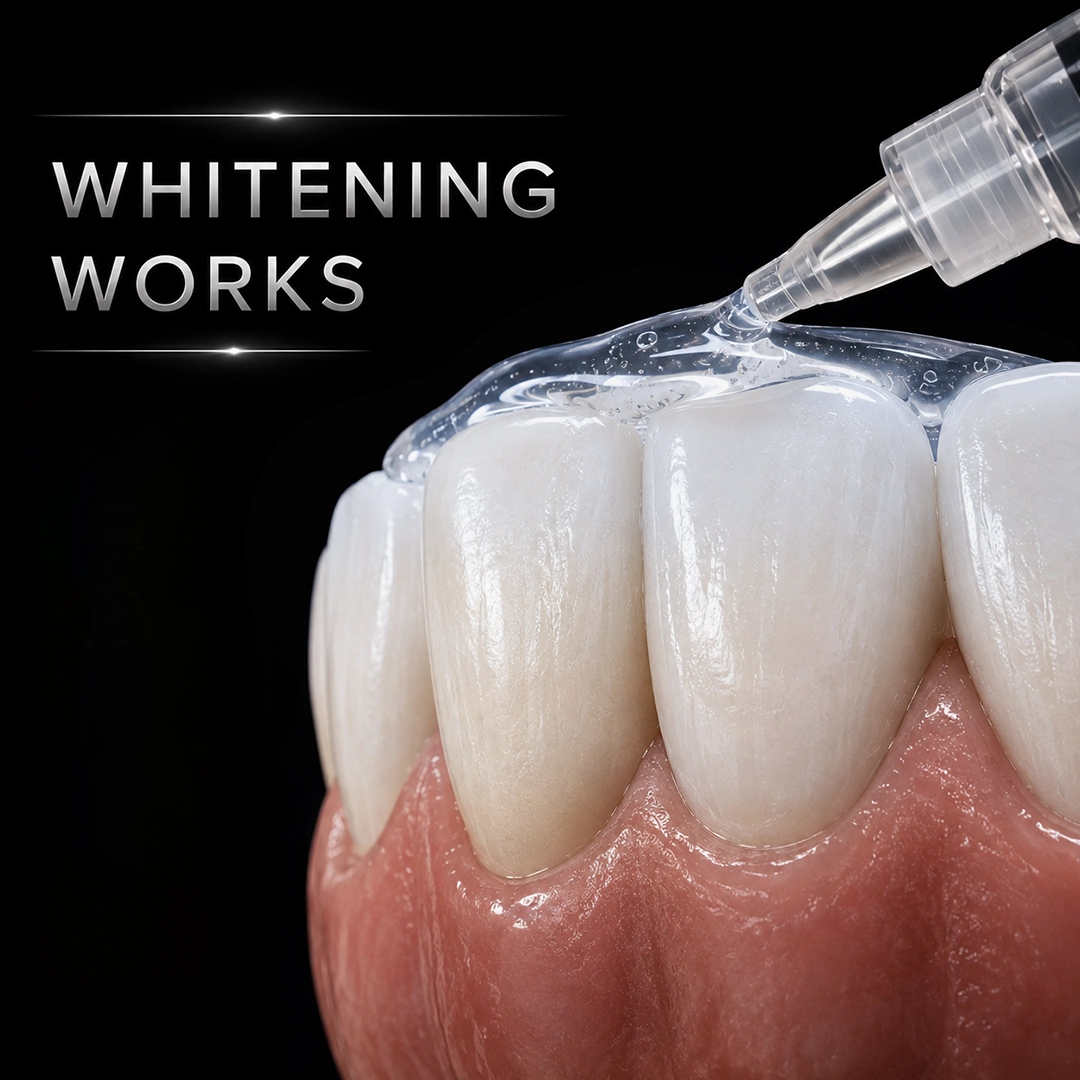
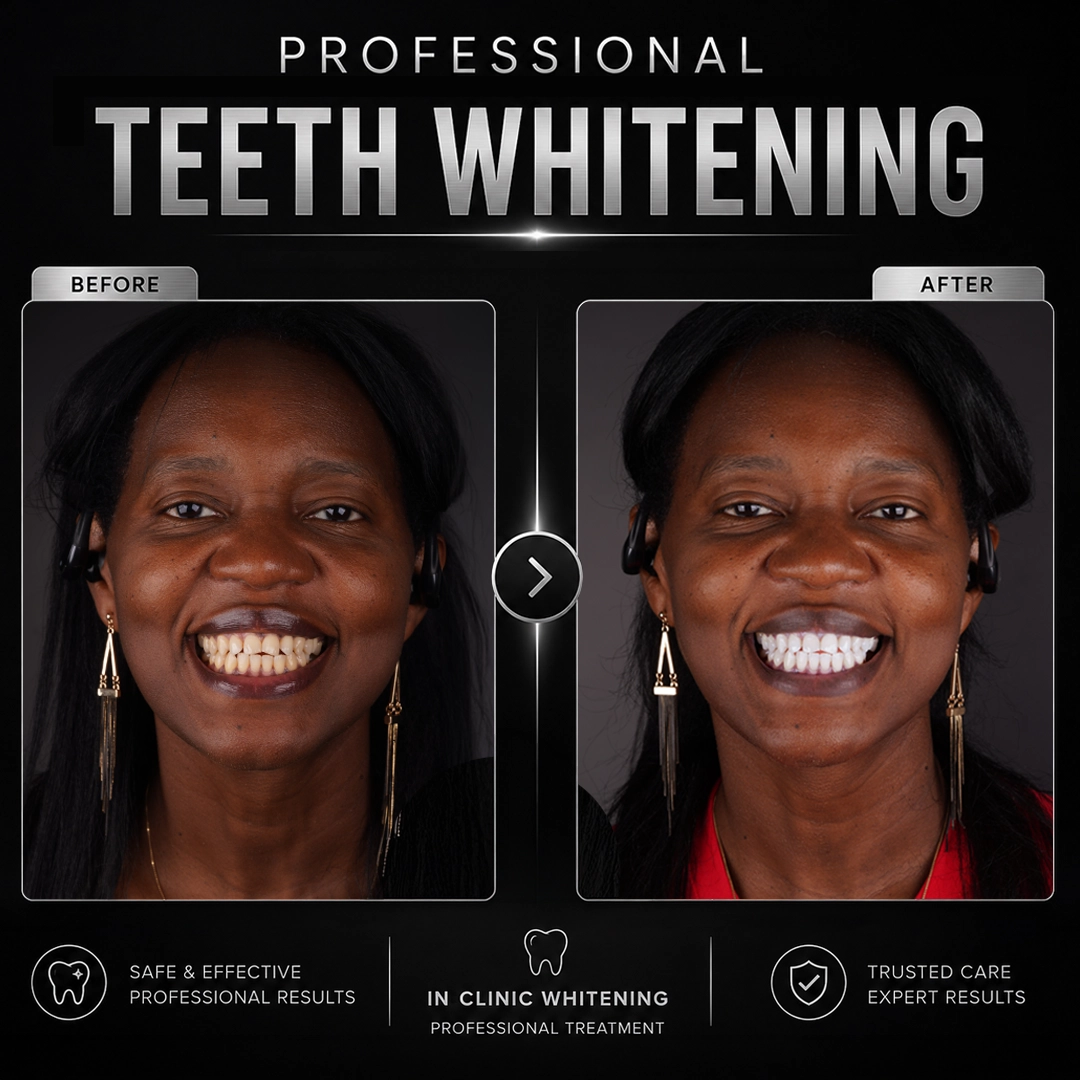
Teeth whitening strips do work for most people with surface staining, lightening teeth by about one to two shades within a few days to a week when used as directed. A full course usually runs 7 to 14 days with the brighter shade tending to hold for four to six months before a touch up becomes useful.
Effectiveness depends on the stain, not the marketing. Yellow surface stains from coffee or red wine respond best while grey tones and deep intrinsic discolouration respond poorly. A 2024 network meta-analysis by de Oliveira and colleagues in Clinical Oral Investigations confirmed that over the counter bleaching changes tooth colour but delivers smaller shade gains than professional systems. Whitening strips work well for mild surface stains from everyday drinks but strips are not suitable for discolouration from tetracycline or trauma because the peroxide cannot reach pigment locked deep inside the dentine. For heavier or uneven cases, a bigger change is more realistic through a complete Hollywood Smile makeover or supervised bleaching. Our Hollywood smile before and after examples show what those fuller transformations involve. To gauge what strips alone can achieve, our Turkey teeth before and after guide sets realistic expectations. To keep the result longer, limit staining drinks then maintain steady brushing after each course.
If you are unsure which route fits your smile, you can book a free consultation to share photos with our coordination team before deciding.
How to Use Teeth Whitening Strips Safely, Step by Step
To use teeth whitening strips safely, brush gently, wait about 30 minutes, then apply a strip across the upper teeth and another across the lower teeth for the time the label directs. Press for good contact, keep the gel off the gums, then peel each strip away and rinse. Never exceed the recommended wear time.
Timing around brushing matters more than most people expect. Brushing immediately before application can irritate softened enamel so waiting 30 to 60 minutes reduces sensitivity while still leaving a clean surface for the gel to grip. After removing the strip, rinse the mouth. Wait at least 30 minutes before brushing, then avoid dark drinks for a couple of hours while the enamel is porous. A 2014 evidence review by Carey in the Journal of Evidence Based Dental Practice noted that following manufacturer instructions closely is the single biggest factor in keeping bleaching safe. In our clinic, the cosmetic team reminds patients to take a break if a tooth becomes sharply sensitive rather than pushing through a full course. Treat the product as the label directs because overuse is where most avoidable damage begins.
Best At Home Teeth Whitening Kits and Strip Types: What to Look For
The best at home teeth whitening kits carry the ADA Seal of Acceptance and use a sensible peroxide concentration. Look for around 6 to 10 percent hydrogen peroxide for comfort or slightly higher for faster results, always confirming the product has not expired before starting a course.
At home options go well beyond strips so each type suits a different need. Strips deliver an even gel layer across the front teeth while tray based kits hold gel closer for longer. Whitening pens instead target isolated stains between visits. A 2024 laboratory study by Agarwal and colleagues in BDJ Open found that some online marketplace whitening products altered enamel microhardness so where a kit comes from matters as much as its price. Choose a product with recognised safety testing rather than the strongest gel available but read the ingredient list too because a small number of imported strips exceed legal peroxide limits. Color correcting purple formulas mask yellow tones optically without bleaching so a purple kit suits maintenance rather than real shade change. When a kit promises a result larger than one to two shades, treat that claim with caution.
Are Teeth Whitening Strips Safe for Your Enamel and Gums?
Teeth whitening strips are generally safe for healthy teeth when used exactly as directed since enamel recovers between sessions. Problems almost always come from overuse: leaving strips on too long or applying strips over untreated decay or gum disease, which is when sensitivity or irritation becomes more likely.
The two most common side effects are temporary tooth sensitivity plus mild gum irritation where gel touches soft tissue. A 2023 comparative study by Basheer and colleagues in Cureus reported that at home and over the counter agents can affect enamel roughness and colour stability when applied beyond recommended limits, reinforcing that duration control protects the surface. Our Diagnostic Council reviews enamel thickness, gum health, plus any existing restorations before recommending a whitening plan because a course applied over an untreated cavity can worsen discomfort. People with active decay or gum disease along with cracked or highly sensitive teeth, should speak to a dentist first as should pregnant or nursing women plus anyone considering whitening for a child under twelve. Used within its limits, a strip course rarely causes lasting harm yet enamel damage from repeated overuse cannot be reversed, unlike the surface stains a strip targets.
Book Your Free Consultation with our clinical team through the 24 hour patient coordination line if you have sensitivity or existing dental work.
Whitening Strips for Sensitive Teeth: What Helps?
For sensitive teeth, whitening strips are still possible with a gentler approach: choose a lower 6 to 10 percent peroxide formula, pick shorter wear times, then space applications to every other day. Strips containing potassium nitrate help calm the nerve response while a desensitising toothpaste used before and during the course reduces discomfort.
Sensitivity happens because peroxide briefly opens enamel pores, exposing nerve endings in the dentine that react to hot or cold foods. A 2021 review by Pascolutti and colleagues in Dentistry Journal described how lower concentration, well controlled bleaching limits pulpal irritation while still lightening teeth. In our practice, the cosmetic team prefers a slower, milder schedule for sensitive patients over a high strength product because comfort keeps people from abandoning treatment halfway. If sensitivity lasts more than 48 hours after stopping, the course should pause so a dentist can check for cracks or exposed roots. Anyone whose sensitivity comes from receding gums or worn enamel is better served by an in chair assessment than by a stronger strip.
At Home Whitening Strips vs Professional Whitening: What Is the Difference?
At home whitening strips and professional whitening differ mainly in peroxide concentration and dentist supervision. That gap decides how fast the shade changes and how even the result looks since strips use a low dose gel for gradual whitening while in office treatment uses higher concentration gel under clinician control, sometimes several shades in one visit.
The table below sets out the practical differences.
| Feature | At home whitening strips | Professional whitening |
|—|—|—|
| Peroxide concentration | Low about 6 to 14 percent | High, dentist controlled |
| Typical timeline | 7 to 14 days of daily use | Often one visit or a short course |
| Expected result | About 1 to 2 shades | Up to several shades, more even |
| Sensitivity control | Self managed, variable | Gum barriers plus desensitisers used |
| Supervision | None, follow the label | Dentist assessment and monitoring |
Bottom line: strips suit mild even surface staining on a modest budget while supervised whitening suits faster or stubborn cases. Uneven results are also more likely with strips because a strip does not whiten crowns or fillings so patients with visible zirconia dental crowns or veneers often need a planned approach instead. At International Plus, professional in office teeth whitening is planned around your enamel and gum health, plus any existing restorations. Dr. Eren Gülbahar, an ADA member cosmetic dentist, uses digital shade records so change is measured rather than guessed. Our complete guide to professional teeth whitening explains how a supervised course is planned while a broader smile makeover plan can combine whitening with other cosmetic work when it is needed. International Plus combines official Ministry of Health authorization, 5,504 verified reviews at 4.8 out of 5, more than 200,000 international patients from 140 countries, plus a fully digital cosmetic workflow, making planned whitening simple to organise from abroad. Whether you start with teeth whitening strips or choose a supervised route, remember that individual results may vary. A personalised consultation remains the safest first step.
To plan a brighter smile with a clear assessment, contact our patient coordination team for a no obligation review of your case.
Frequently Asked Questions
Do teeth whitening strips actually work?
Yes, teeth whitening strips work for most people with surface staining, lightening teeth by about one to two shades over 7 to 14 days. Strips perform best on yellow stains from coffee or tea. Strips do not lighten grey tones or deep intrinsic stains nor do they change dental work such as crowns or veneers.
How long do the results from whitening strips last?
Results from whitening strips typically last around four to six months and up to a year with careful habits. Limiting staining drinks like coffee or red wine extends the shade as does steady brushing. Many people run a short touch up course every few months rather than whitening continuously, which protects the enamel.
Can I use teeth whitening strips every day?
Only if the product instructions say so and even then only for the recommended one to two week course. Daily use for months risks enamel wear plus lasting sensitivity because the enamel never fully recovers between sessions. Follow the label exactly. When the course ends, switch to maintenance such as whitening toothpaste.
Are whitening strips bad for your enamel?
Used as directed, whitening strips do not permanently damage healthy enamel since enamel remineralises between sessions. The risk comes from overuse, leaving strips on too long or whitening over untreated decay or gum disease. Repeated misuse can erode enamel, which cannot be reversed so a dental check first is sensible.
Should I whiten with strips or see a dentist?
Strips suit mild even surface staining on a modest budget. See a dentist first if you have sensitivity or gum disease if you have visible fillings or crowns or if you want a faster, more dramatic change. A dentist can confirm the cause of discolouration and recommend supervised whitening when strips are unlikely to give even results.
Reviewed by Dr. Eren Gülbahar
References
- Serraglio CR, et al. Clin Oral Investig. 2016. PMID: 26245272
- de Oliveira MN, et al. Clin Oral Investig. 2024. PMID: 38430338
- Carey CM. J Evid Based Dent Pract. 2014. PMC4058574
- Agarwal R, et al. BDJ Open. 2024. PMC11344090
- Basheer RR, et al. Cureus. 2023. PMC10266434
- Pascolutti M, et al. Dent J (Basel). 2021. PMC8700120
Follow us on Social Media
internationalplusofficial
internationalplus
internationalplusdental
This content is written, reviewed, and approved by the International Plus Medical Review Board to ensure clinical accuracy and adherence to strict editorial standards. All medical information is regularly monitored, audited and updated in light of the latest scientific advancements.
However the information provided here is for general informational purposes only and cannot be used for self diagnosis or making individual health interpretations. Results of medical treatments depend on individual anatomy and the unique healing process of each patient. This information should not replace a personal consultation with a qualified healthcare professional. To understand the best options for your specific needs and to receive a personalized treatment plan, we invite you to book a free consultation with the expert medical team at International Plus.

I am a healthcare professional with over 4 years of experience in dentistry, specializing in prosthetic dental treatment and implant-based applications. Since 2024, I have been serving as chief physician, leading clinical management, team coordination, and international patient processes. With my B2-level English proficiency, I am able to communicate effectively with international patients. I am a patient-centered, innovative, and solution-oriented dentist who prioritizes patient satisfaction.




