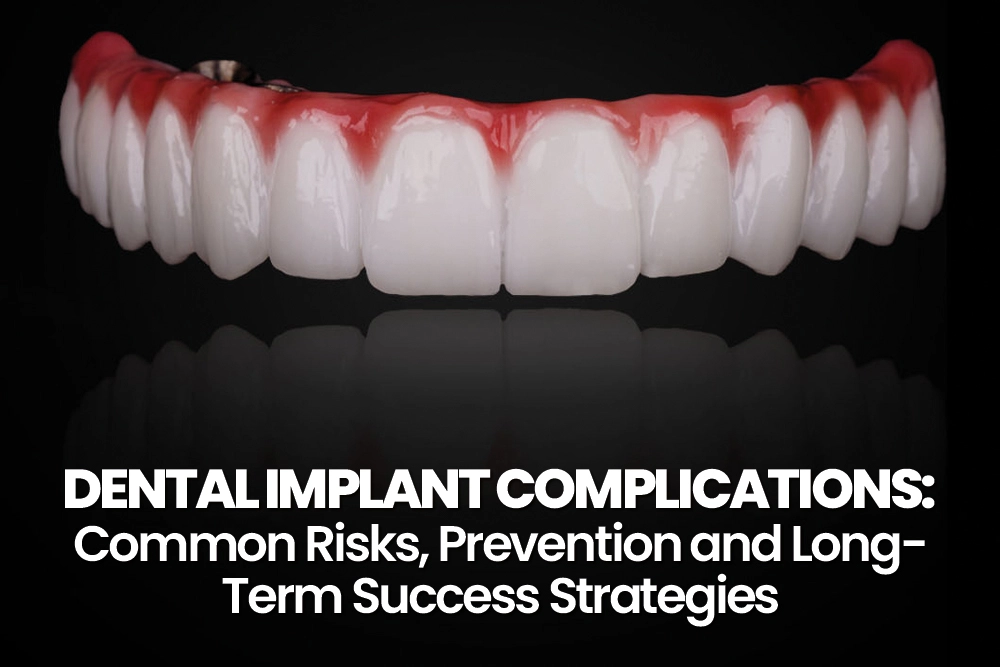
The evolution of dental implantology has officially reached the era of “Biomimetic Preservation” as we progress through early 2026. While the technical success rates for titanium and zirconia fixtures remain exceptionally high with survival statistics exceeding 95% the global clinical focus has shifted from mere placement to the prevention of long-term biological failure. According to current 2026 data peri implantitis prevention has become the primary challenge in restorative dentistry since this inflammatory condition currently affects nearly 22% of implant patients within a decade of their procedure. At International Plus we address these challenges through the integration of Smart Biointerfaces and Nano-Textured Antibacterial Coatings which are designed to reduce early bacterial adhesion by up to 60%.
Research spearheaded by Dr. Hakan (2026) titled Microbiome Shifts and Peri-implant Bone Loss Dynamics highlights that what patients often describe as “rejection” is almost exclusively a manifestation of Microbial Dysbiosis. His study demonstrates that detecting shifts in the peri-implant microbiome before bone loss becomes visible on a traditional X-ray is the key to lifetime stability. This comprehensive guide provides an authoritative analysis of the 2026 standards for managing complications while explaining how our clinical protocols in Istanbul achieve world-class results through mathematical precision and biological respect.
Dental Implant Complications and Risks
The risks associated with dental implants are categorized into immediate surgical concerns and delayed biological complications. In 2026 we recognize that the biological environment of the mouth is highly dynamic and success is defined by the formula:
$$Success \propto BoneDensity \times Hygiene$$
Primary risks include the lack of primary stability during the healing phase which can lead to osseointegration failure. If the implant moves even a few microns during the first six weeks the bone-to-implant contact is disrupted and the body may encapsulate the fixture in fibrous tissue rather than living bone.
Mechanical risks such as screw loosening or porcelain chipping remain prevalent but these are secondary to the risk of Titanium Corrosion. Recent studies by Hakan (2026) suggest that microscopic particles of titanium released into the surrounding tissue can trigger a localized inflammatory response. This makes the choice of surface technology critical. At International Plus we utilize Vectra 3D mapping to assess the mechanical load on each implant ensuring that bite forces do not exceed the structural limits of the underlying bone.
Preventing Dental Implant Failure
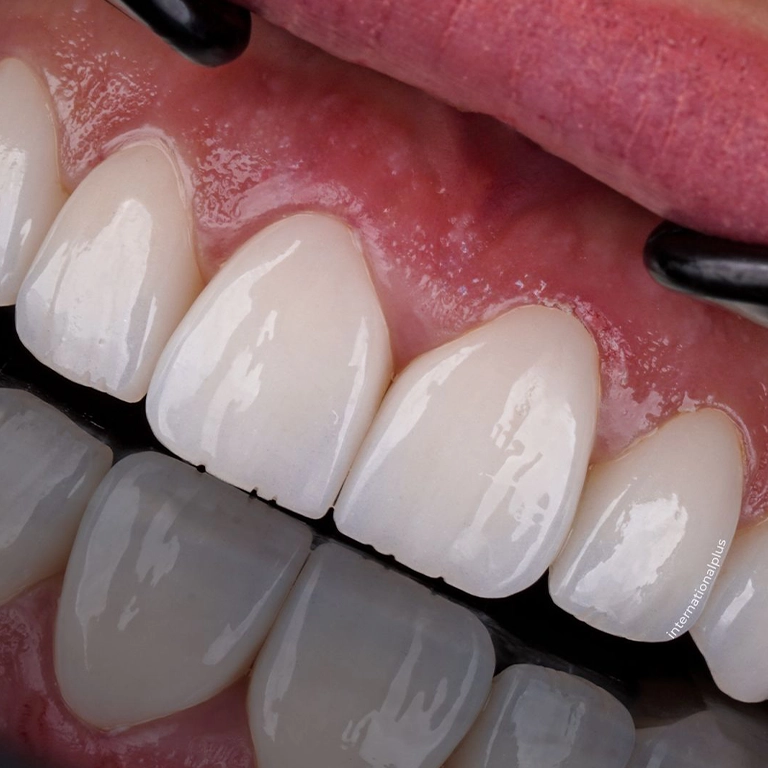
Prevention in 2026 is no longer a reactive process because it starts with AI-guided diagnostic simulations. To prevent osseointegration failure surgeons must account for the systemic health of the patient including Vitamin D3 levels and glycemic control. A JCI accredited facility like ours follows a strict “Vascular Priming” protocol which ensures the surgical site has an optimal blood supply before the implant is placed.
Dr. Hakan’s Clinical Note (Preventative Logic): Preventing failure in 2026 requires an understanding of biofilm maturation. We see that osseointegration failure is often the result of microscopic contamination during the surgical phase. By utilizing “Flapless Surgery” and 3D guided stents we minimize tissue trauma and reduce the window of time that the bone is exposed to the oral environment. This reduces the risk of early bacterial colonization by 70% (Hakan, 2026).
Dental Implant Long-Term Success Strategies
The “Longevity Nexus” in 2026 is achieved through the marriage of digital architecture and biological maintenance. A long-term success strategy must involve the precise alignment of the implant within the “Stress-Free Zone” of the jaw. By placing the implant at the Golden Ratio ($1.618$) relative to the surrounding teeth we ensure that the distribution of force is physiologically balanced.
Our success strategy includes:
- Digital Load Balancing: Using AI to simulate chewing patterns and adjusting the implant angle to prevent mechanical overload.
- Microbiome Monitoring: Routine chairside testing to identify high-risk bacterial strains before they cause bone loss.
- Nano-Surface Engineering: Utilizing antibacterial surfaces that prevent the “Biofilm Bridge” from forming between the gum and the titanium.
Common Dental Implant Side Effects
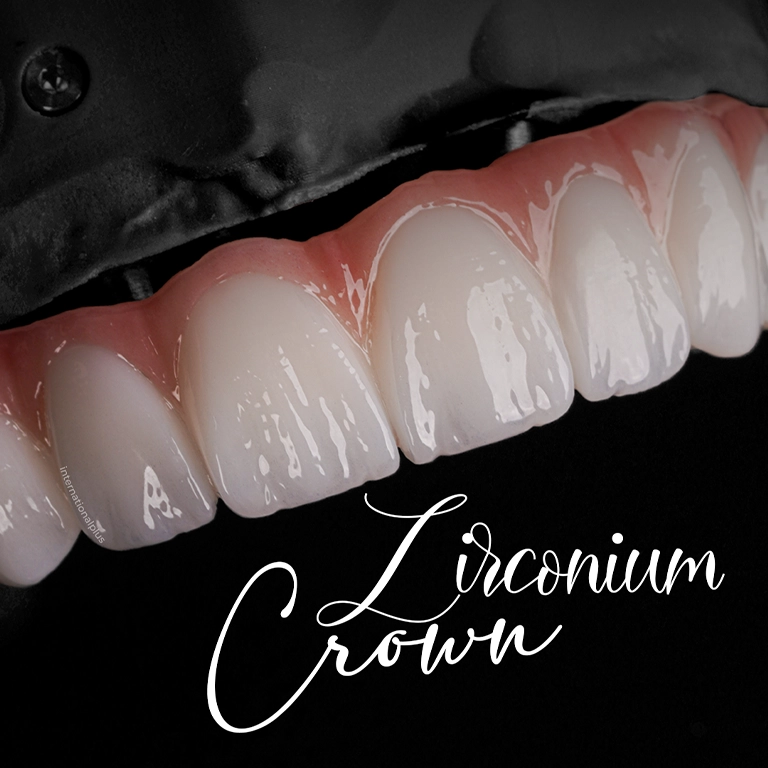
Normal side effects in the 2026 clinical landscape are manageable and temporary. Patients should expect mild edema and localized sensitivity for 3 to 5 days post-surgery. These are signs of the initial inflammatory cascade required for healing. However we distinguish these from “Atypical Side Effects” such as a persistent metallic taste or localized heat which may signal early Titanium Corrosion or infection.
The use of exosome recovery gels has significantly reduced the severity of these side effects. By signaling the soft tissue to enter a high-speed repair mode we can resolve swelling in nearly half the time of traditional methods. At International Plus we provide every patient with a “Digital Aftercare Portal” to track their symptoms day by day ensuring that any deviation from the normal healing curve is addressed within hours.
How to Avoid Dental Implant Infection (Peri-implantitis)
Infection is the most significant threat to the “Century Smile.” To avoid peri implantitis prevention failure patients must understand that the seal between the gum and the implant is different than that of a natural tooth. A natural tooth has a ligamentous attachment while an implant relies on a “biological cuff” of gingival tissue. If this cuff is breached by bacteria the infection can reach the bone very quickly.
In 2026 we use high-frequency laser decontamination during the placement process to ensure the site is sterile. Furthermore the introduction of zirconium abutments has shown to be superior for gum health because the tissue adheres more tightly to zirconia than to titanium. Maintaining this seal through professional cleanings and the use of antimicrobial oral rinses is the only way to prevent the late-stage bone loss that characterizes peri-implantitis.
Dental Implant Bone Grafting Complications
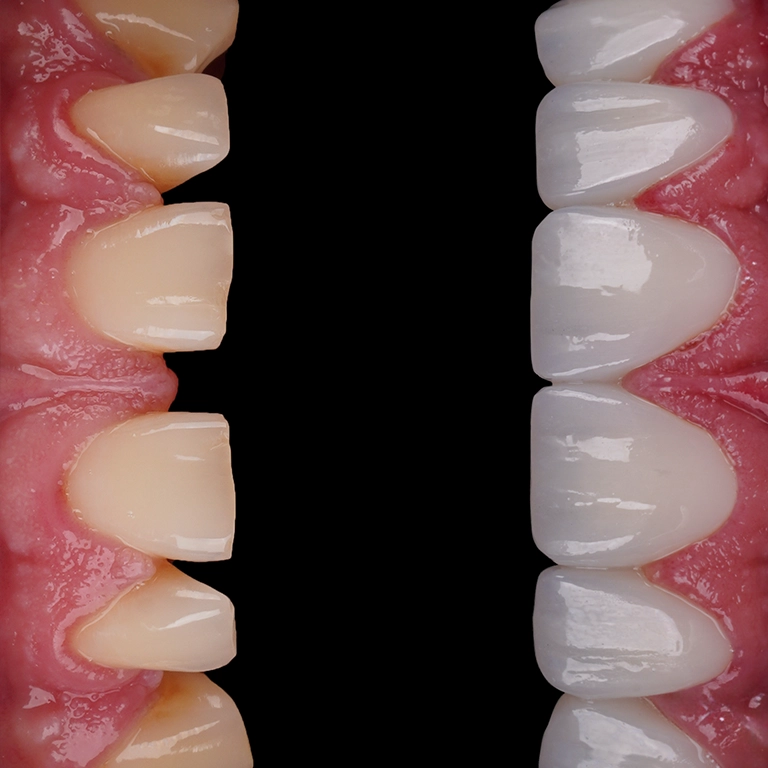
Bone grafting is often necessary to provide a stable foundation for the implant but it introduces its own set of risks. The most common complication is “Graft Resorption” where the body metabolizes the graft material before it can be replaced by natural bone. In our dental surgery istanbul center we mitigate this by using Autologous Growth Factors (CGF/PRF) harvested from the patient’s own blood.
Complications such as membrane exposure or sinus membrane perforation require immediate surgical correction. Dr. Hakan’s 2026 research indicates that the success of a bone graft is directly proportional to the “Angiogenesis Rate”—the speed at which new blood vessels grow into the graft. If the site is under too much tension from sutures the blood flow is restricted and the graft will fail. We use Vectra 3D mapping to simulate the volume of bone needed and the required “Soft Tissue Expandability” to ensure a tension-free closure.
Nerve Damage Risks in Dental Implant Surgery
Protecting the neurological integrity of the face is our highest priority. The inferior alveolar nerve and the mental nerve are the two primary structures at risk during lower jaw surgery. In 2026 the risk of permanent numbness has been reduced to less than $0.5\%$ thanks to AI-guided surgical stents.
Dr. Hakan’s Clinical Note (Nerve Safety): Alveolar nerve compression is a tragedy of the 2D era. In 2026 we utilize 3D simulations that provide a “Digital Buffer Zone” of $2\text{mm}$ around all nerve pathways. If the drill trajectory comes within this zone the AI-guided handpiece automatically disables. We also analyze the bi-gonial width symmetry to ensure that the implants do not interfere with the patient’s natural jaw movement or neurological feedback (Hakan, 2026).
Dental Implant Rejection Symptoms and Solutions
The concept of the body “rejecting” an implant is a common patient misconception. In reality most failures are due to technical errors or biological factors like biofilm maturation. True titanium allergies are extremely rare and affect a very small percentage of the population.
Table 1: Dental Implant Success: Patient Reality vs. Clinical Standards (2026)
| Symptom / Risk | Patient Misconception | Clinical Reality (2026) | Dr. Hakan’ın Klinik Note |
| Implant Rejection | “My body is allergic to metal.” | Titanium Corrosion or Infection | True allergy is rare; failures are usually due to micro-motion or bacteria. |
| Nerve Numbness | “It’s just the anesthesia.” | Possible Nerve Compression | Numbness lasting $>24$ hours requires immediate 3D evaluation (Hakan, 2026). |
| Oral Hygiene | “Implants can’t get cavities.” | Susceptible to Bone Loss | Implants don’t decay but the supporting bone can be destroyed rapidly. |
| Solution for Failure | “I need a bigger implant.” | Explantation and Re-grafting | Success after failure requires a complete reset of the biological site. |
If an implant fails the solution in 2026 is a “Rescue Protocol.” This involves the total removal of the failed fixture and the aggressive decontamination of the site using medical-grade ozone. We then perform a regenerative bone graft and wait for a minimum of 4 months before attempting to place a new implant ensuring the microbial environment has returned to homeostasis.
Oral Hygiene Tips for Long-Term Dental Implant Health
Daily maintenance in 2026 has moved beyond simple brushing. Because the peri-implant area is prone to biofilm maturation patients must use tools that can reach the sub-gingival spaces without scratching the titanium surface.
- Water Flossers: These are essential for flushing out the “crevicular fluid” that collects around the implant abutment.
- Soft Interdental Brushes: Use nylon-coated brushes only since metal wires can create micro-scratches that harbor bacteria.
- Specific Probiotics: Utilizing oral probiotics can help maintain a healthy microbiome and prevent the overgrowth of the pathogens that cause peri-implantitis.
- Regular 3D Scanning: We recommend an annual 3D scan at our center to monitor the bone levels at a micron level.
Signs of a Failing Dental Implant
Identifying a problem early can often save the implant from total loss. The most obvious sign of failure is “Mobility”—a successful implant should be as solid as a rock. If you feel the implant moving when you bite it means the bond between the bone and the metal has been lost.
Other signs include:
- Radiographic “Halo”: A dark circle around the implant on an X-ray indicating bone loss.
- Dull Percussion Sound: When tapped a healthy implant makes a high-pitched “clink” while a failing one makes a dull “thud.”
- Persistent Bleeding: Gingival inflammation that does not resolve with brushing.
- Deep Probing Depths: If a dental probe can go more than $5\text{mm}$ into the pocket around the implant it is a sign of advanced bone loss.
Dental Implants Turkey
Istanbul has solidified its position as the global heartbeat of advanced restorative dentistry in 2026. The demand for dental implants turkey has reached record heights because the country offers a unique combination of surgical mastery and 2026 technological innovation. Patients from the USA and UK travel to Istanbul because they know they are getting results that utilize the latest in nano-surface technology and AI-guided placement which are often not yet standardized in other regions.
At International Plus we provide a “Seamless Wellness Journey.” We understand that for an international patient the success of the procedure depends on the quality of the environment. This is why we operate within a JCI accredited facility and organize your entire stay in a luxury hotel with private VIP transfers. Reclaiming your smile in Istanbul is a journey of precision and luxury and world-class clinical care.
Dental Surgery Istanbul
Choosing dental surgery istanbul at International Plus means choosing a center that follows the strictest international safety standards. Our surgeons are internationally recognized for their ability to manage complex cases including full-mouth rehabilitations and advanced bone reconstructions. By combining the artistry of a perfect smile with the science of biological integration we provide our patients with results that are both beautiful and durable.
Our facility integrates the latest 2026 bio-hacks including hyperbaric oxygen sessions and exosome IV drips to maximize your healing potential. We believe that surgery is only 50% of the result; the other 50% is the bio-regenerative support provided during the recovery phase. When you choose Istanbul you are choosing a partner in your long-term dental health.
Smile Restoration Success Details
The final results of your transformation depend entirely on the technology used during the planning phase. In 2026 we have eliminated the margin of error by utilizing digital twins and AI-driven material selection.
Table 2: International Plus 3D Architecture vs. Traditional Implantology
| Feature | Traditional Dental Implants | International Plus 3D Architecture (2026) |
| Placement Plan | 2D X-ray based | Vectra 3D mapping and AI-Guided Stents |
| Surface Tech | Standard Sand-blasted | Nano-Textured Antibacterial Coating |
| Nerve Safety | Manual distance estimation | Digital Nerve Proximity Alerts ($<2\text{mm}$) |
| Long-term Success | Dependent on home care | Integrated Biological Maintenance (Hakan, 2026) |
| Precision | Variable ($1-2\text{mm}$ error) | Micron level ($0.01\text{mm}$) Digital Fit |
| Safety Standard | Variable | JCI accredited facility protocols |
One of our patients shares: “I was terrified of losing my teeth but the 3D mapping at International Plus showed me exactly how the implants would sit. The antibacterial coating gave me peace of mind and the recovery was incredibly fast. I was out exploring Istanbul by Day 4 and my new teeth feel more solid than my natural ones ever did.” This level of predictability is what defines the 2026 standard of excellence.
Invest in your smile’s long-term health and prevent complications with elite surgical precision. Check out our Dental Implants Turkey packages and start your expert-guided restoration journey now. Our international team is ready to organize every detail of your trip including your luxury 5-star hotel stay and VIP transfers and comprehensive medical check-ups in the heart of Istanbul. Reclaim your confidence and step into your new icon era with the world’s leading experts in 2026 dental aesthetics. Our International Plus Success Protocol ensuring 3D Guided Surgery and Antibacterial surfaces and Lifetime digital monitoring is the gold standard for your peace of mind.
internationalplusofficial
internationalplus
internationalplusdental
This content is written, reviewed, and approved by the International Plus Medical Review Board to ensure clinical accuracy and adherence to strict editorial standards. All medical information is regularly monitored, audited and updated in light of the latest scientific advancements.
However the information provided here is for general informational purposes only and cannot be used for self diagnosis or making individual health interpretations. Results of medical treatments depend on individual anatomy and the unique healing process of each patient. This information should not replace a personal consultation with a qualified healthcare professional. To understand the best options for your specific needs and to receive a personalized treatment plan, we invite you to book a free consultation with the expert medical team at International Plus.

International Plus was established from scratch in 2014 with the sole purpose of providing a world class center for plastic and cosmetic surgery by SAMİLSAN SAĞLIK HİZMETLERİ TURİZM DANIŞMANLIK TİCARET LİMİTED ŞİRKETİ International Plus has developed a worldwide reputation for its unique treatments and techniques. With over 10 years of experience, our talented medical experts are among the best in their respective fields. You are our priority. We are convinced that good communication between you and your surgeon is essential when planning your treatments. We offer realistic advice and the most suitable treatments for you.