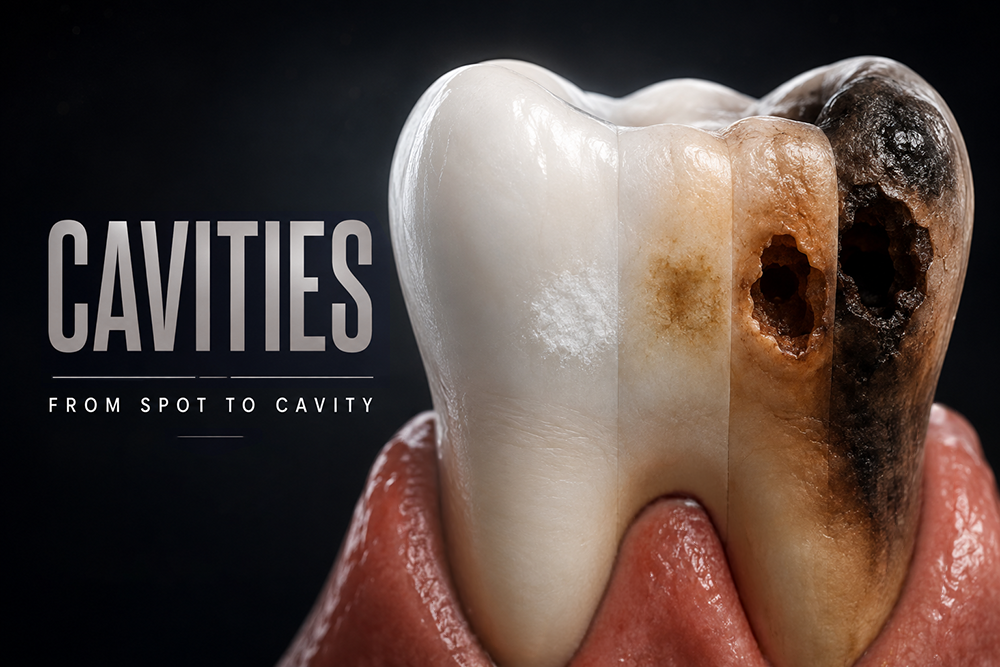
Bleeding gums are a signal, not a normal part of brushing. Healthy gum tissue does not bleed under a soft brush or a strand of floss. This guide treats the bleeding itself as the symptom. It covers local triggers, then systemic red flags, then what to do in the first ten days. Authorized by the Turkish Ministry of Health and rated 4.8/5 across 5,504+ verified reviews, International Plus assesses gum health for patients from over 140 countries.
Key Takeaways
- Bleeding is the earliest visible sign of gum inflammation so it should never be dismissed as a normal reaction to brushing.
- Most cases start with plaque at the gum line yet medication, pregnancy, smoking or a blood disorder can amplify the same bleeding.
- Never stop or adjust a blood thinner because of bleeding gums. That decision belongs to the prescribing physician.
- Vitamin C deficiency is a genuine but uncommon cause in developed countries so it is checked rather than assumed.
- Bleeding that persists beyond ten days of careful home care needs a dental examination.
What Do Bleeding Gums Mean?
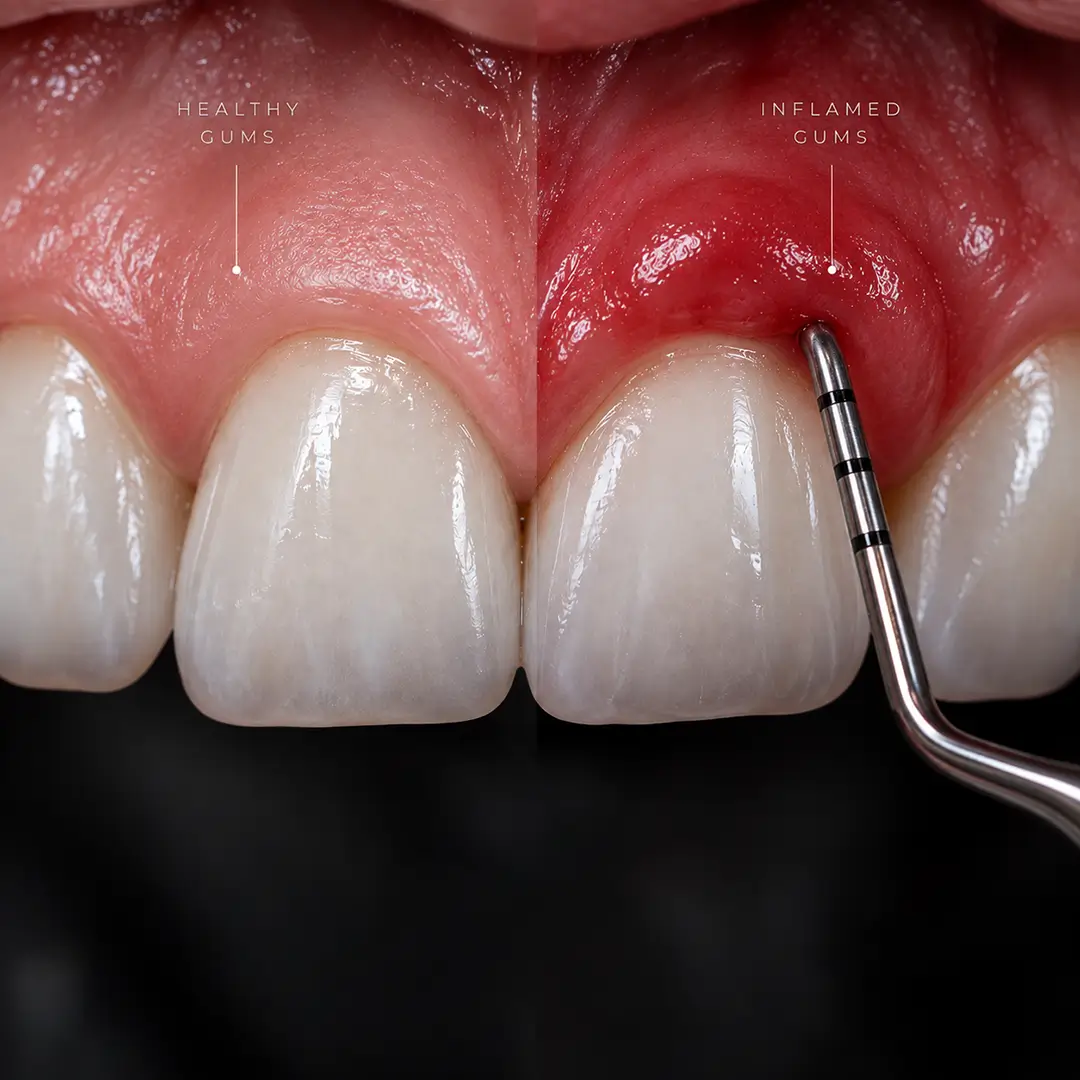
Bleeding gums mean the tissue at the gum line is inflamed and its tiny blood vessels have become fragile and leaky. Healthy gums stay firm and pale pink under normal brushing. Blood on the toothbrush or on floss is therefore a measurable inflammation signal rather than a sign of vigorous cleaning.
Periodontal science treats bleeding on probing as the primary marker of gingival inflammation and the 2018 international classification defines gingivitis at a site level by exactly that finding (Chapple ILC, et al., 2018). The practical value of this definition is that bleeding appears long before pain, recession or tooth mobility. In our Istanbul clinic the Diagnostic Council records a full bleeding index at the first visit because the pattern of bleeding sites tells us whether the problem is one irritated area or a whole mouth inflammatory load.
Why Are My Gums Bleeding When I Brush or Floss?
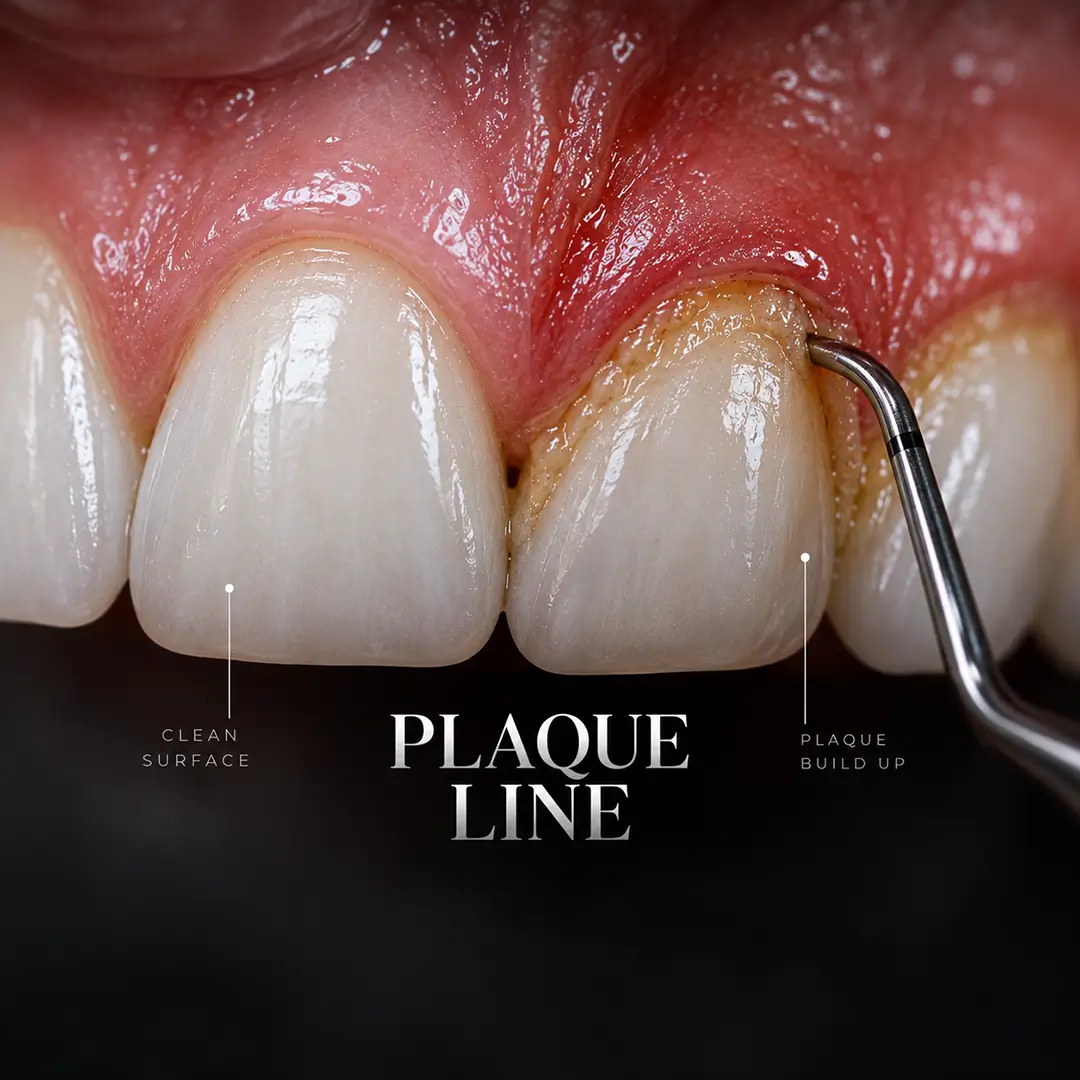
Gums bleed during brushing or flossing when inflamed tissue is disturbed. Plaque left along the gum line is the usual driver. A second pattern is mechanical: a hard bristled brush, aggressive scrubbing or snapping floss into the tissue injures healthy gum and produces bleeding without inflammation.
Telling the two apart takes about ten days. Inflammatory bleeding is widespread and painless. Such bleeding settles gradually once plaque control improves. Mechanical bleeding is localised to the spot being scrubbed and stops as soon as technique changes. Patients who have just started flossing often bleed for three to seven days while inflamed tissue heals. That pattern is normal and self limiting. Our hygienists use disclosing solution to show exactly where plaque survives brushing and that visual step usually explains a bleeding pattern faster than any questionnaire. A detailed method is set out in our guide to plaque removal.
Book Your Free Consultation →
Bleeding Gums Causes: Local Irritation and Systemic Signals
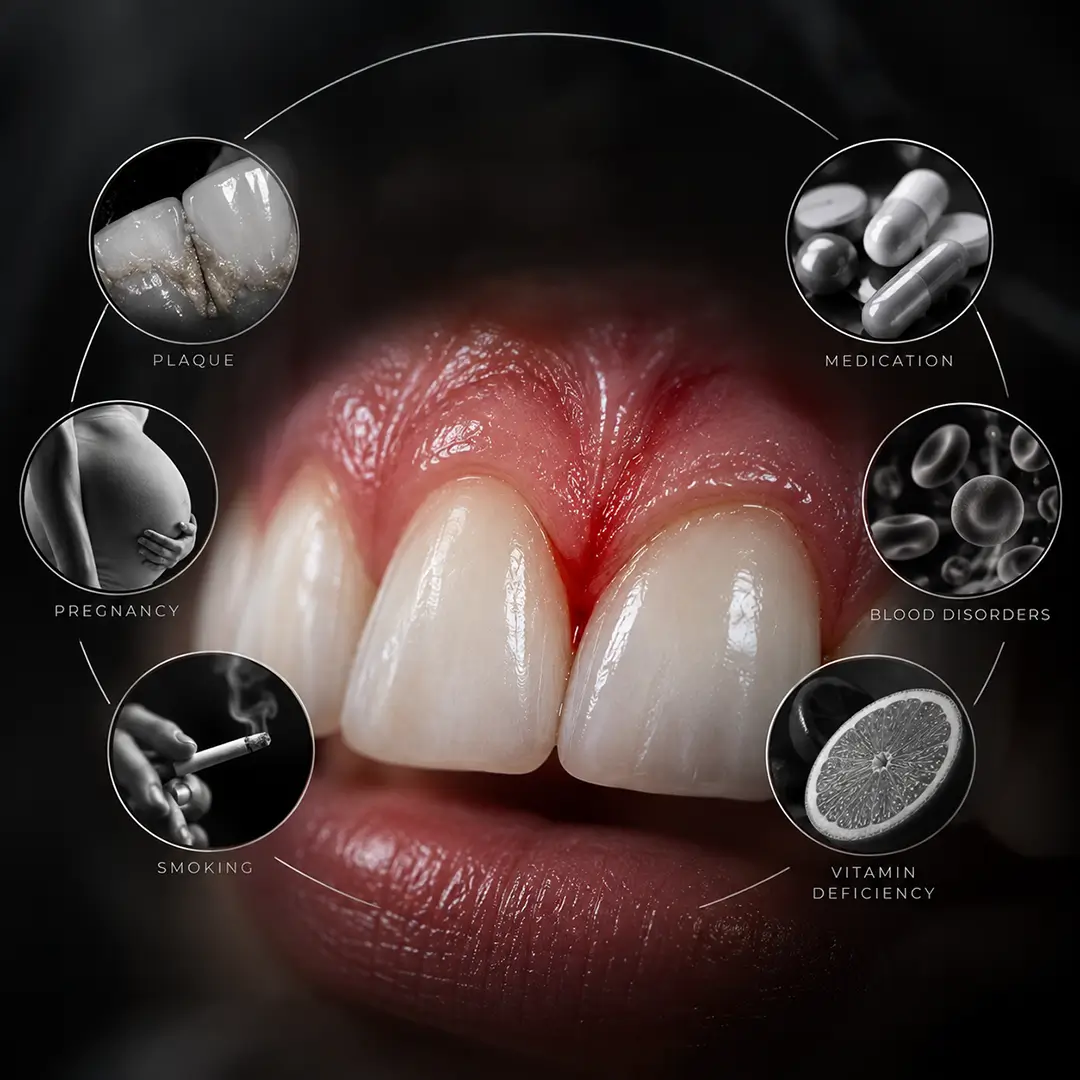
Bleeding gums causes divide into two groups. Local causes act at the gum line: plaque, tartar, an overhanging filling edge, mouth breathing or smoking. Systemic causes change how the whole body responds: pregnancy, diabetes, anticoagulant medication, low vitamin C or a platelet disorder.
The division matters because it decides who treats the problem. Local causes respond to cleaning and to repairing whatever traps plaque. Systemic causes make ordinary gingivitis bleed harder and longer so the dental treatment stays the same while a physician handles the underlying condition (Heitz-Mayfield LJA, et al., 2024). Smoking is the awkward exception: nicotine narrows gum vessels and masks bleeding so a smoker with advanced disease may bleed less than a healthy patient with mild gingivitis.
| Pattern of bleeding | Typical clue | Sensible first step |
|—|—|—|
| Widespread, worst at the gum line | Plaque and tartar build up | Professional cleaning plus daily interdental care |
| One spot only, same place each time | Rough filling edge, food trap or fractured tooth | Dental examination of that tooth |
| Sudden increase, easy bruising elsewhere | Medication change or blood disorder | Contact the prescribing physician |
| Starts in mid pregnancy, settles after birth | Hormone driven gingivitis | Dental review during pregnancy, no delay |
The table sorts the same symptom by pattern, which is how a clinician decides whether the next step is a hygienist, a dentist or a doctor.
What Deficiency Causes Bleeding Gums?
Vitamin C deficiency is the classic nutritional cause of bleeding gums. Severe and prolonged deficiency produces scurvy in which collagen synthesis fails and gum tissue becomes swollen, spongy and bleeds spontaneously. Vitamin K deficiency also impairs clotting so bleeding lasts longer once it starts.
Scurvy is rare in countries with a varied diet and treating every bleeding gum as a vitamin problem delays the real diagnosis. Reported cases cluster in people with very restricted diets, alcohol dependence, eating disorders or malabsorption. Oral signs reverse within weeks of correcting a confirmed deficiency (Gandhi M, et al., 2023). A vitamin supplement will not resolve bleeding driven by plaque, which is why our clinicians test rather than assume. Patients with reduced saliva flow face a related risk since dry mouth removes the natural rinsing that keeps the gum line clean.
Bleeding Gums During Pregnancy
Bleeding gums during pregnancy are common and usually reflect pregnancy gingivitis. Rising oestrogen and progesterone increase gum blood flow and change how tissue reacts to plaque so the same amount of plaque provokes more bleeding. Symptoms typically start in the second trimester and settle after birth.
Common does not mean ignorable. Pregnancy amplifies an existing inflammatory response rather than creating disease on its own and untreated inflammation persists after delivery (Wu M, et al., 2015). Dental cleaning is safe during pregnancy and the second trimester is the most comfortable window for it. Localised swellings called pregnancy epulides sometimes appear at a gum margin. Such lesions bleed easily and often shrink after birth without surgery. Patients who notice the gum line moving as well as bleeding should read our guide to receding gums since recession and inflammation are treated differently.
Get a personalized gum assessment from our dental team →
Blood Thinners and Blood Disorders: When Bleeding Is Not Only Dental
Anticoagulant and antiplatelet medication does not cause gum inflammation but it makes any inflamed site bleed longer and more visibly. Never stop, pause or reduce a prescribed blood thinner because your gums bleed. That decision belongs to the prescribing physician and stopping the drug carries a far greater risk than the bleeding itself.
Tell the dental team about every anticoagulant, antiplatelet drug or clotting disorder before treatment because dental management is adapted rather than cancelled (Mohamed Rohani M, et al., 2025). Warning signs that point beyond the mouth include easy bruising, frequent nosebleeds, bleeding that continues for more than ten minutes after gentle pressure or gum bleeding that begins suddenly without any plaque build up. Leukaemia and low platelet counts can present first in the mouth, which is one reason our team asks about bruising during the medical history rather than only about brushing habits.
Bleeding Gums Treatment: The First Ten Days
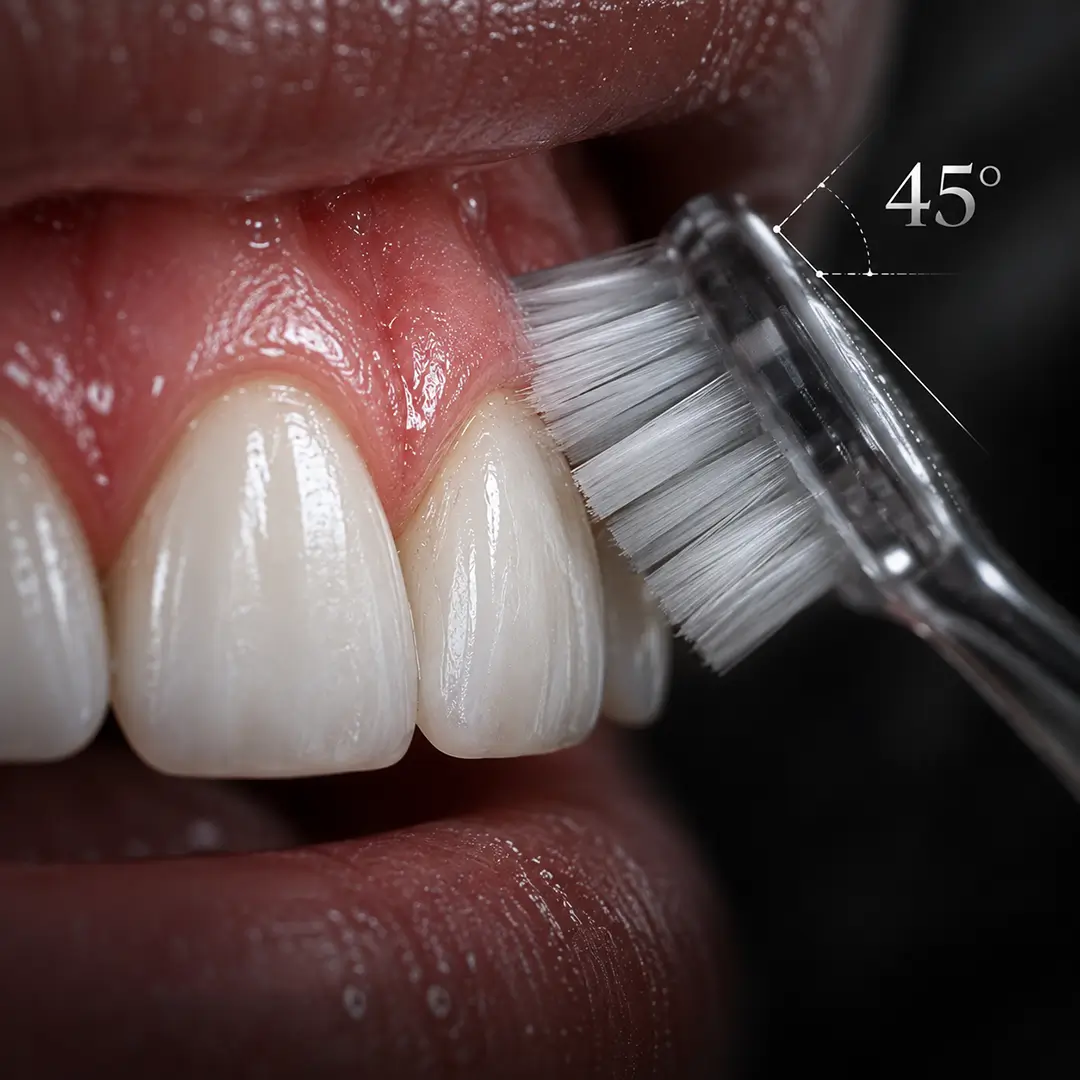
Bleeding gums treatment starts with plaque removal, not with stopping brushing. Clean the gum line gently twice a day with a soft brush, add daily interdental cleaning, then reassess after ten days. Most inflammatory bleeding falls sharply within that window when plaque control is genuinely consistent.
The technical detail matters more than the product. Angle the brush at roughly 45 degrees toward the gum line and use short strokes rather than pressure since force damages tissue without removing more plaque. An antiseptic mouthwash reduces bleeding scores in the short term but it is not suitable as a permanent substitute for interdental cleaning because rinsing cannot reach film between the teeth. Toothpaste marketed for bleeding gums helps mainly by encouraging regular brushing. Tartar already hardened onto the root cannot be brushed away and needs professional scaling (Papapanou PN, et al., 2018). Patients who also notice odour should review our guidance on bad breath since both symptoms share the same bacterial source.
When to See a Dentist for Bleeding Gums
Book a dental examination when bleeding continues after ten days of careful home care when gums bleed without brushing when one area bleeds repeatedly or when swelling, looseness or a bad taste appears. Sudden heavy bleeding alongside bruising elsewhere on the body needs same week medical review.
Persistent bleeding is where gingivitis and periodontitis separate and only a periodontal chart with probing depths can tell them apart. The full staging picture and its treatment pathway are covered in our guide to gum disease. Bleeding confined to one tooth with tenderness on biting sometimes traces to a dying nerve rather than the gum and those cases are referred for root canal treatment by endodontic specialists. Everything else begins with professional periodontal cleaning and a repeat bleeding index six weeks later. With 200,000+ patients treated from 140+ countries, our team documents that second measurement rather than relying on how the gums feel. Ulcers near a bleeding margin are assessed separately as our page on canker sores explains.
Schedule a gum health check at International Plus →
Frequently Asked Questions
Why are my gums bleeding when I brush?
Inflamed tissue at the gum line bleeds when disturbed. Plaque along that margin is the usual cause and the bleeding is widespread and painless. A hard brush or heavy scrubbing produces a different pattern, localised to one area, that stops once the technique becomes gentler.
Is it normal for gums to bleed when flossing?
Bleeding for three to seven days after starting a flossing routine is expected while inflamed tissue heals. Bleeding that continues beyond ten days of daily flossing is not normal and points to plaque left behind, tartar under the gum or an underlying medical factor worth investigating.
What deficiency causes bleeding gums?
Vitamin C deficiency is the classic cause and severe cases produce scurvy with swollen, spongy gums that bleed spontaneously. Vitamin K deficiency prolongs bleeding once it starts. Both remain uncommon where diets are varied so testing is preferable to taking supplements based on the symptom alone.
Can bleeding gums be a sign of something serious?
Sometimes. Diabetes, leukaemia, low platelet counts or clotting disorders can all present with gum bleeding. Warning signs include easy bruising, frequent nosebleeds, bleeding without brushing or bleeding that does not stop after ten minutes of gentle pressure. Those patterns need medical assessment, not only dental care.
Should I stop flossing if my gums bleed?
No. Stopping leaves plaque in place and prolongs the inflammation that causes bleeding. Continue with gentle daily interdental cleaning and use a softer technique. If bleeding is heavy or lasts beyond ten days, keep cleaning and then book a dental examination rather than abandoning the routine.
How do I stop my gums from bleeding at home?
Brush the gum line gently twice daily with a soft brush, clean between the teeth every day, then rinse with warm salt water for comfort. Give it ten days. Hardened tartar cannot be removed at home so persistent bleeding needs a professional cleaning.
Reviewed by Dr. Alper Çağlayan Sarraf
References
- Chapple ILC, et al. J Periodontol. 2018. PMID: 29926944
- Papapanou PN, et al. J Periodontol. 2018. PMID: 29926951
- Heitz-Mayfield LJA, et al. Periodontol 2000. 2024. PMID: 38831568
- Wu M, et al. Mediators Inflamm. 2015. PMC4385665
- Mohamed Rohani M, et al. Spec Care Dentist. 2025. PMID: 40843974
- Gandhi M, et al. Diseases. 2023. PMC10296835
Follow us on Social Media
internationalplusofficial
internationalplus
internationalplusdental
This content is written, reviewed, and approved by the International Plus Medical Review Board to ensure clinical accuracy and adherence to strict editorial standards. All medical information is regularly monitored, audited and updated in light of the latest scientific advancements.
However the information provided here is for general informational purposes only and cannot be used for self diagnosis or making individual health interpretations. Results of medical treatments depend on individual anatomy and the unique healing process of each patient. This information should not replace a personal consultation with a qualified healthcare professional. To understand the best options for your specific needs and to receive a personalized treatment plan, we invite you to book a free consultation with the expert medical team at International Plus.

Dr. Alper Çağlayan Sarraf directs the oral surgery unit at InternationalPlus Istanbul, focusing on demanding cases that draw patients from every corner of the world.