The steve carell hair transplant theory is unusual because it rests entirely on television screengrabs rather than on any reporting or statement. Viewers compared the actor’s frontal hairline between early and later seasons of a sitcom that first aired in 2005. A conclusion that the density had changed then hardened into a durable internet consensus. This article is an independent educational commentary from the surgical team at International Plus. Our clinic has not treated Steve Carell and holds no affiliation with him. The goal here is to explain what genuinely alters how a hairline appears on screen and how restoration surgery works.
Key Takeaways
- No statement exists. Steve Carell has never publicly confirmed or denied hair restoration surgery of any kind.
- The sources are commercial. Almost every page asserting a procedure belongs to a hair clinic rather than to a news organisation.
- Screens distort hairlines. Lighting and camera resolution change apparent density far more than viewers assume. A grooming department does the rest.
- Surgery has limits. Donor supply and ongoing loss constrain what any procedure can deliver at any age.
Why Steve Carell’s Hairline Became a Fan Theory
The theory began with a comparison across two television seasons filmed roughly 12 months apart. Viewers noticed that the frontal area looked thinner in early episodes from 2005 than in later ones and that observation spread through forums until it hardened into accepted fact. According to a survey of the pages ranking for this question, almost none originate from journalism.
Two forces sustain the story. First, a sitcom archive gives millions of viewers thousands of high resolution frames of the same face under changing lighting rigs. Then commercial incentive takes over because hair restoration providers publish celebrity explainers to attract search traffic. In practice our clinic sees patients quoting graft numbers for actors from pages that never examined anyone.
Has Steve Carell Ever Confirmed a Hair Transplant?
No confirmation exists. Steve Carell has never publicly stated that hair restoration surgery took place and no denial has been published either. Searches of mainstream entertainment reporting return no interview and no representative comment in which the actor addresses the subject at all, which leaves the question genuinely open.
The absence of any source is the finding. Nearly every page claiming a procedure is published by a company that sells the procedure, which is a commercial interest rather than a citation. For example, our team declines to publish technique guesses about any named person who has not discussed their own care. A change visible on screen is documented; the cause of that change is not.
What Actually Changes How a Hairline Looks?
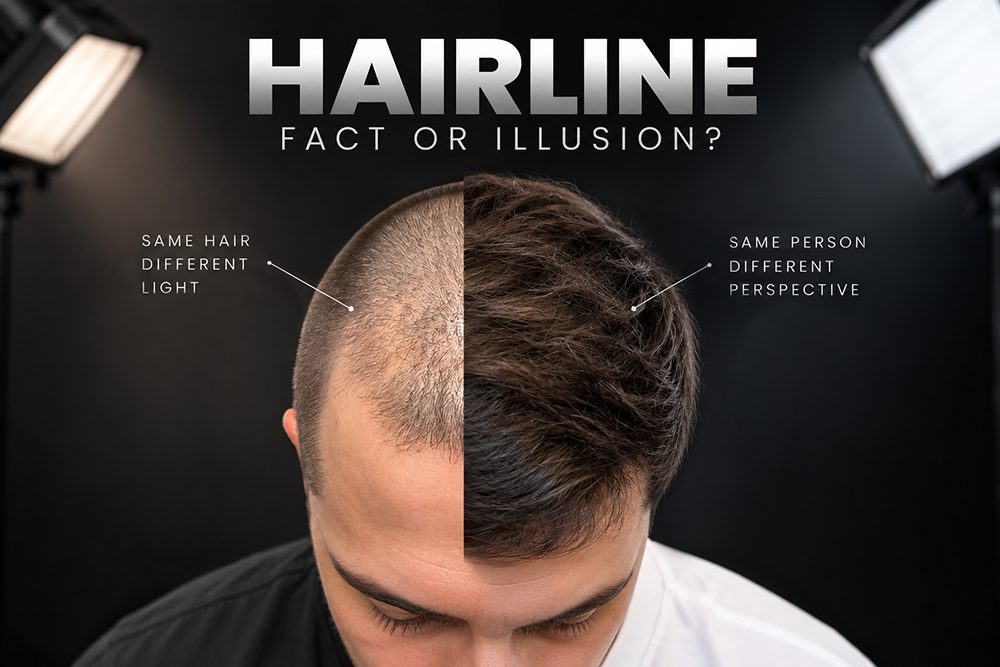
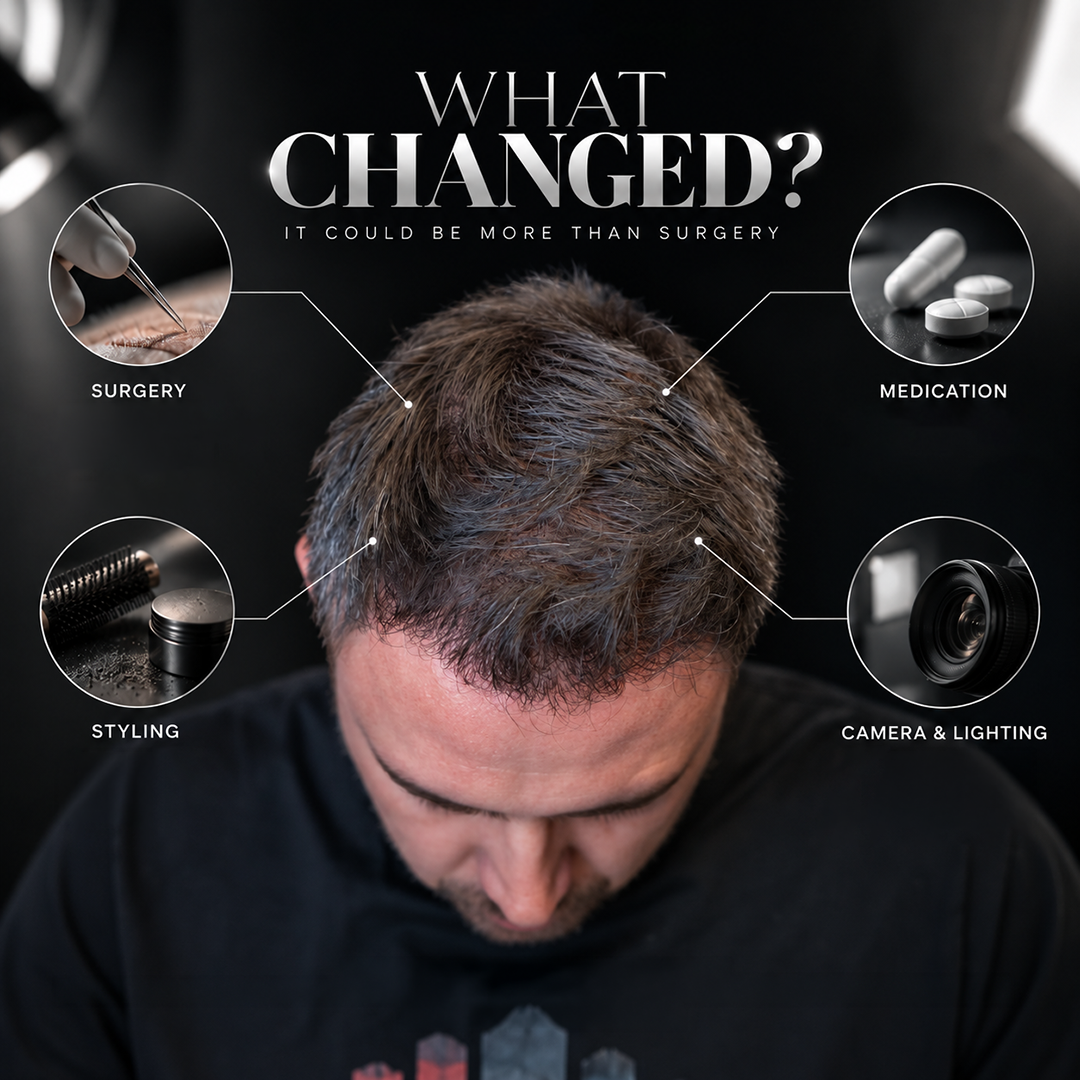
Apparent hairline density is a product of four separate variables and only one of them is surgical. A viewer comparing two seasons of television is watching lighting rigs and camera sensors act at the same time as a grooming team and the passage of about 12 months. Separating those inputs from a screengrab is impossible.
| Factor | What it changes | Typical speed of change |
| Restoration surgery | Adds relocated follicles to thinning zones | Visible across 9 to 15 months |
| Medical therapy | Slows loss and thickens existing hair | Gradual across 6 to 12 months |
| Styling and camera work | Alters apparent density and border position | Immediate, shot to shot |
| Hair systems and makeup | Fills gaps with fibre, powder or a piece | Immediate, reversible daily |
The bottom two rows explain most of what audiences read as transformation. Restoration surgery works well for rebuilding a frontal edge but the method is not suitable for someone chasing a change between two filming blocks because transplanted follicles need most of a year to show density. Anyone weighing the options should start with an examination. Book Your Free Consultation
Why Screen Lighting and Makeup Departments Matter
A key light placed above and in front of an actor is the single most unflattering setup for a thinning frontal hairline because the beam passes between hairs and illuminates scalp. Move that light lower or soften it and the same head reads as noticeably denser. Camera resolution then multiplies the effect.
Production craft finishes the job. Scalp powders and fibre products are standard tools in television grooming and each one changes apparent density within seconds. Additionally, a change of series colourist, a different part or a slightly longer front section shifts the visible border by millimetres that a still frame exaggerates. Our clinic uses magnified trichoscopic measurement precisely because the human eye is unreliable here, the same discipline applied in our reviews of Ed Helms’ teeth and Jim Carrey’s teeth.
How Does Hair Restoration Surgery Rebuild a Hairline?
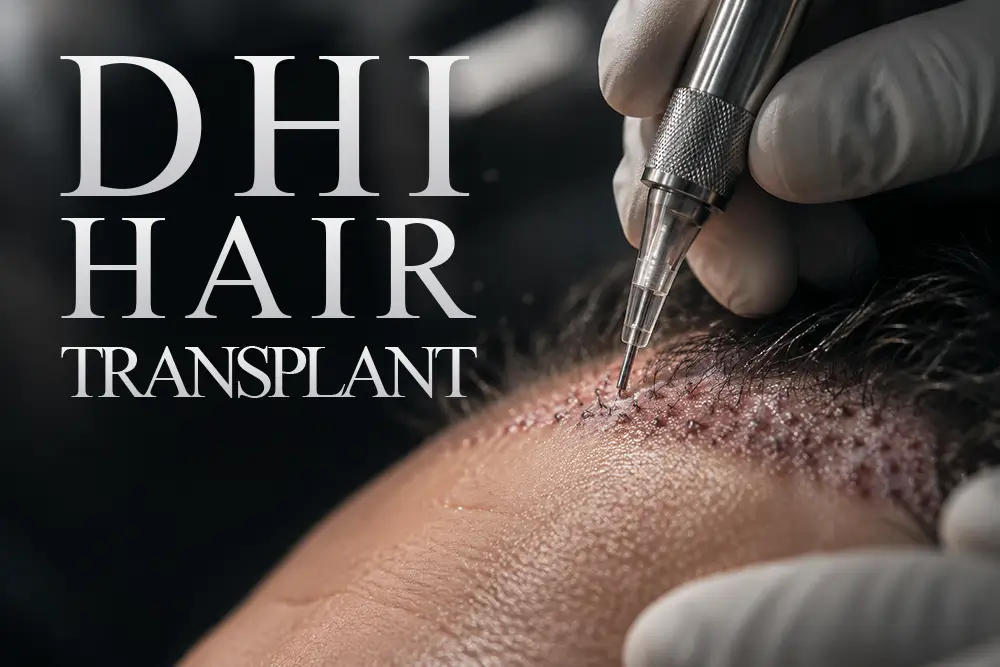
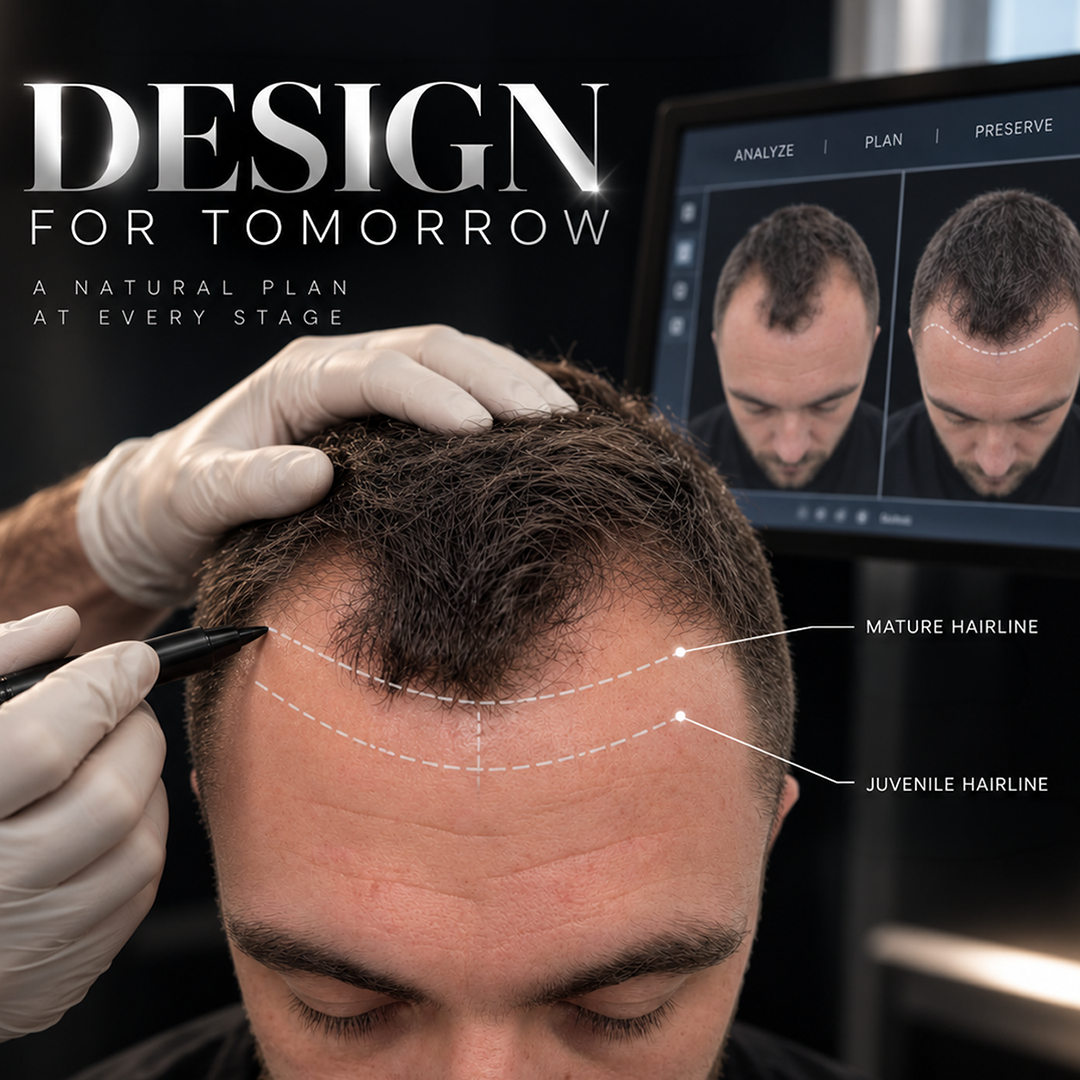
Hair restoration is a surgical procedure that relocates follicular units from a permanent donor band into thinning zones, working on the principle of donor dominance. According to a 2025 review of the field, follicular unit extraction remains a state of the art harvesting method alongside linear strip excision (Queen and Avram, 2025) and hairline design has improved outcomes.
Design is the difficult part. The classic surgical account argues that selecting the right follicular units and combining them with artistry creates the illusion of density and that using micrografts alone is never enough (Shapiro, 2004) so a soft irregular border matters more than raw graft count. Handling technique also affects the finish: a randomised trial of 64 patients found that de-epithelialising grafts left survival unchanged while immediate postoperative appearance improved with satisfaction of 100% against 71.25% (Fan et al, 2021) in the control group. That logic guides hair transplant surgery in Istanbul at our clinic.
Why Age Changes the Planning Maths
Age is a planning variable rather than a barrier. A patient in his forties has a more predictable loss pattern than a patient of 25, which lets a surgeon place a mature hairline with reasonable confidence that the design will still suit the face in 20 years. Younger patients carry more uncertainty.
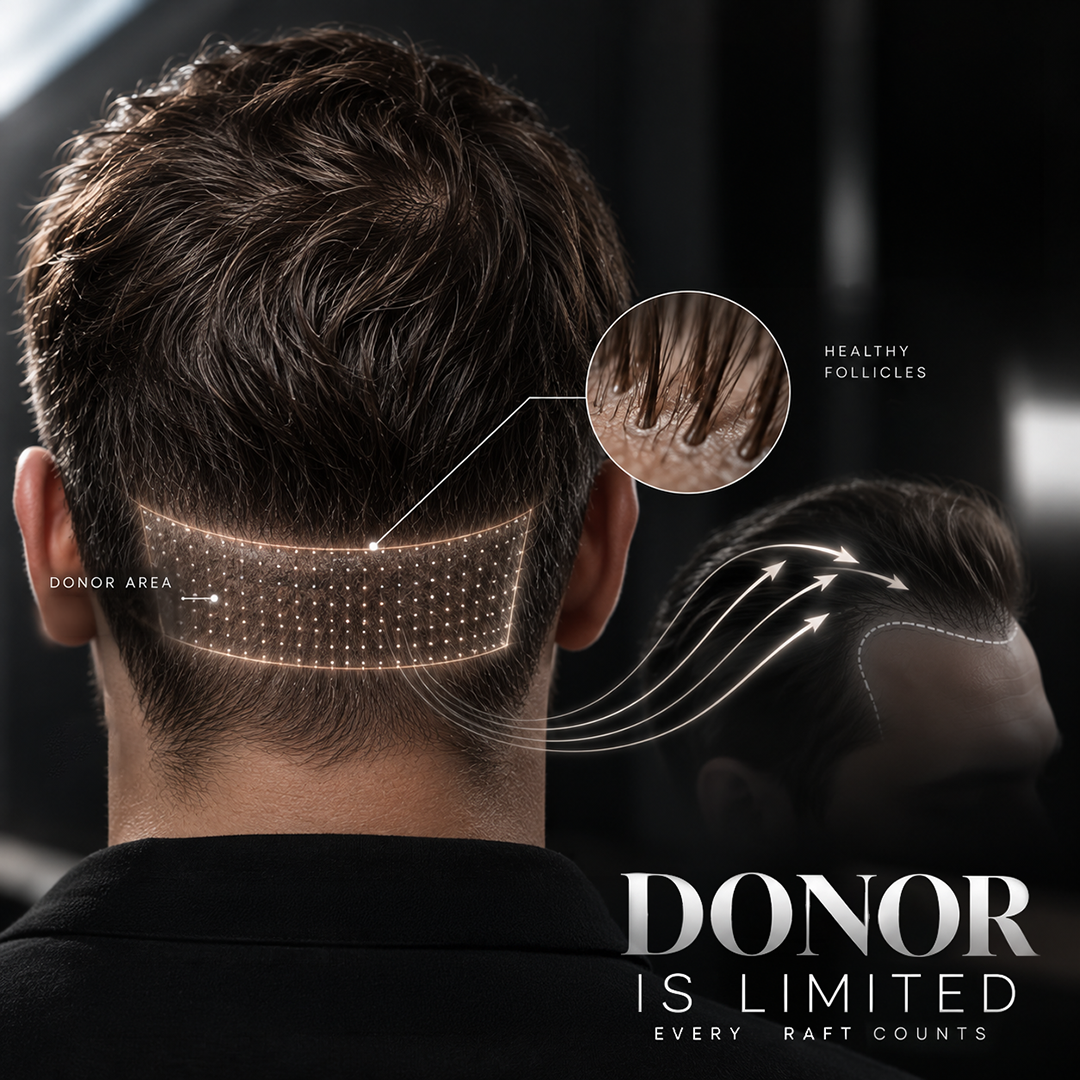
Donor arithmetic drives the decision. The safe donor zone contains a finite number of follicular units and every graft moved forward is gone from the back permanently. A conservative frontal design at 45 preserves reserves for the crown later while an aggressive juvenile hairline at 25 can exhaust the supply before loss has finished progressing. Patterns differ between the sexes, which is why hair restoration planning for women uses separate density targets and facial cases such as beard transplant procedures follow their own donor rules.
What Can Medical Treatment Do Without Surgery?
Medical therapy is the maintenance half of hair restoration and it addresses native hair that surgery never touches. Research shows that only two drug options hold broad regulatory approval for pattern hair loss and a systematic review of randomised trials found minoxidil and finasteride both superior to placebo (Adil and Godwin, 2017) for promoting growth in men.
Expectations still need calibrating. A 2023 therapy update describes an expanding pipeline alongside the established options (Devjani et al, 2023) and a broader treatment review weighed efficacy against side effects and long term adherence (Nestor et al, 2021) which is where many patients struggle. Finally, medication protects what remains rather than restoring what has gone so combining maintenance with surgery usually holds a result longer. Individual results may vary.
The Bottom Line on the Steve Carell Hair Transplant Question
There is no answer to give. Steve Carell has never addressed hair restoration and no journalism has established anything. The visible change that started the theory could plausibly come from lighting, grooming, medication or surgery. Choosing one explanation and publishing it as fact is guesswork with a commercial motive attached.
The general lesson survives the specific question. Hair loss is ordinary, restoration is a real discipline with real constraints and a durable result comes from planning rather than from speed. International Plus is authorized by the Turkish Ministry of Health and holds a rating of 4.8 out of 5 from more than 5,504 verified reviews and our multidisciplinary team has treated over 200,000 patients from 140+ countries since 2014. The same evidence first standard applies to the Elon Musk hair transplant debate and to the Justin Bieber hair transplant discussion. This article is educational commentary and not medical advice. Get a personal hair loss assessment
Frequently Asked Questions
Did Steve Carell get a hair transplant?
No public confirmation exists. Steve Carell has never stated that any hair restoration procedure took place and no denial has been issued. The theory rests on comparing television footage from different seasons, which shows an appearance change without establishing what caused it.
Why did his hair look different between seasons?
Television appearance depends on lighting design and camera resolution as much as on daily grooming work. A key light angled from above exposes scalp between hairs while a softer setup hides it. Styling powders and a longer front section change apparent density immediately, long before any surgical result could show.
Is there a reliable source for the transplant claim?
Nearly every page asserting a procedure belongs to a hair restoration company rather than to a news organisation. A commercial provider describing what a celebrity may have bought is marketing rather than reporting. Without a statement from the actor the claim remains unverified.
How long does a hair transplant take to show results?
Transplanted hairs shed within the first two months while the follicles stay in place beneath the surface. Visible regrowth usually begins around month four and continues thickening until roughly month fifteen. No procedure produces a visible change between two consecutive filming blocks.
Can medication alone thicken a receding hairline?
Approved medical therapy can slow loss and thicken existing hair though it does not create follicles where none remain. Results depend on continuous use and stopping treatment generally reverses the gains. A consultation establishes whether medication, surgery or a combination fits the situation.
Reviewed by Dr. Eren Gülbahar
References
- Queen D and Avram MR, Hair Transplantation: State of the Art. Dermatol Surg. 2025. PMID 40354670
- Shapiro R. Principles and techniques used to create a natural hairline in surgical hair restoration. Facial Plast Surg Clin North Am. 2004. PMID 15135130
- Fan ZX et al, Effect of De-epithelialization on Graft Survival Rate After Follicular Unit Extraction. Dermatol Surg. 2021. PMID 34397543
- Adil A and Godwin M, The effectiveness of treatments for androgenetic alopecia: A systematic review and meta-analysis. J Am Acad Dermatol. 2017. PMID 28396101
- Devjani S et al, Androgenetic Alopecia: Therapy Update. Drugs. 2023. PMC10173235
- Nestor MS et al, Treatment options for androgenetic alopecia: efficacy and side effects. J Cosmet Dermatol. 2021. PMC9298335
Follow us on Social Media
internationalplusofficial
internationalplus
internationalplusdental
This content is written, reviewed, and approved by the International Plus Medical Review Board to ensure clinical accuracy and adherence to strict editorial standards. All medical information is regularly monitored, audited and updated in light of the latest scientific advancements.
However the information provided here is for general informational purposes only and cannot be used for self diagnosis or making individual health interpretations. Results of medical treatments depend on individual anatomy and the unique healing process of each patient. This information should not replace a personal consultation with a qualified healthcare professional. To understand the best options for your specific needs and to receive a personalized treatment plan, we invite you to book a free consultation with the expert medical team at International Plus.

I am a healthcare professional with over 4 years of experience in dentistry, specializing in prosthetic dental treatment and implant-based applications. Since 2024, I have been serving as chief physician, leading clinical management, team coordination, and international patient processes. With my B2-level English proficiency, I am able to communicate effectively with international patients. I am a patient-centered, innovative, and solution-oriented dentist who prioritizes patient satisfaction.