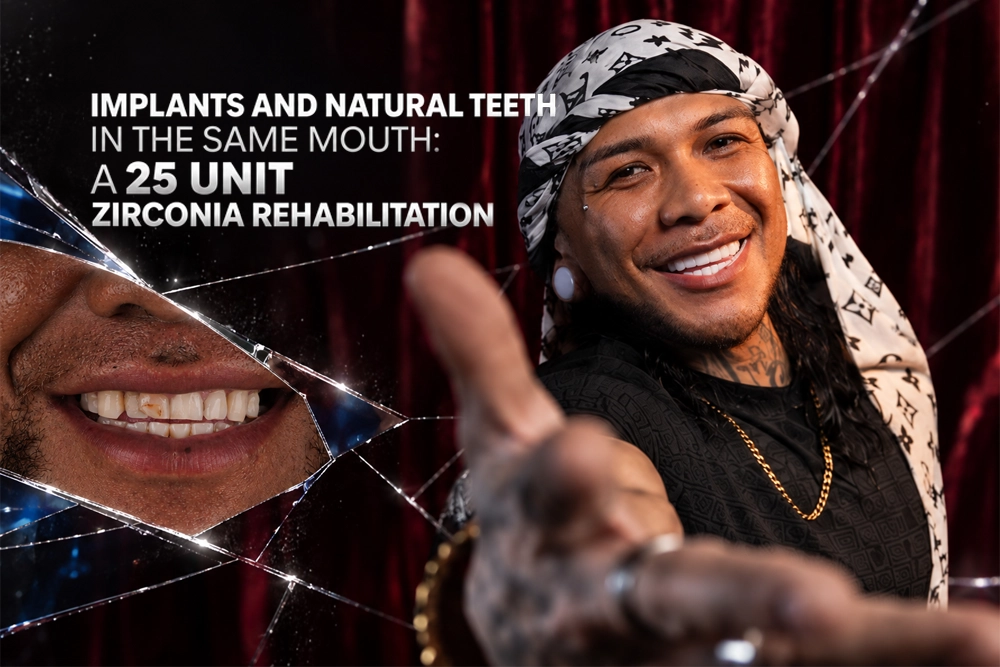
Advanced dental rehabilitation represents one of the most complex challenges in modern implant dentistry. When a 47 year old patient from Switzerland presented with severe bone loss and active infection, the situation presented a scenario that many clinicians would find challenging. The treatment journey at International Plus demonstrates what can be achieved when modern technique meets experienced expertise.
The journey from serious dental problems to complete rehabilitation involves multiple specialized disciplines working in harmony. International Plus, having treated over 200,000 patients from more than 140 countries, has accumulated extensive experience in managing complex cases. This case demonstrates the clinic’s systematic approach and technical capabilities.
Advanced Bone Loss Meets Expert Care
The patient presented with a clinical picture that many dental practitioners would consider extremely challenging. Advanced bone loss had compromised the foundation supporting the teeth. Many teeth showed mobility and some presented signs of active infection. This combination of factors required both immediate surgical intervention and long term rehabilitation planning.
The Diagnostic Council at International Plus, consisting of the Chief Physician, Expert Doctor, and Prosthetic Specialist, evaluated the patient’s case from three critical perspectives. This multidisciplinary approach is designed to prevent the limitations of single practitioner assessment when addressing complex cases.
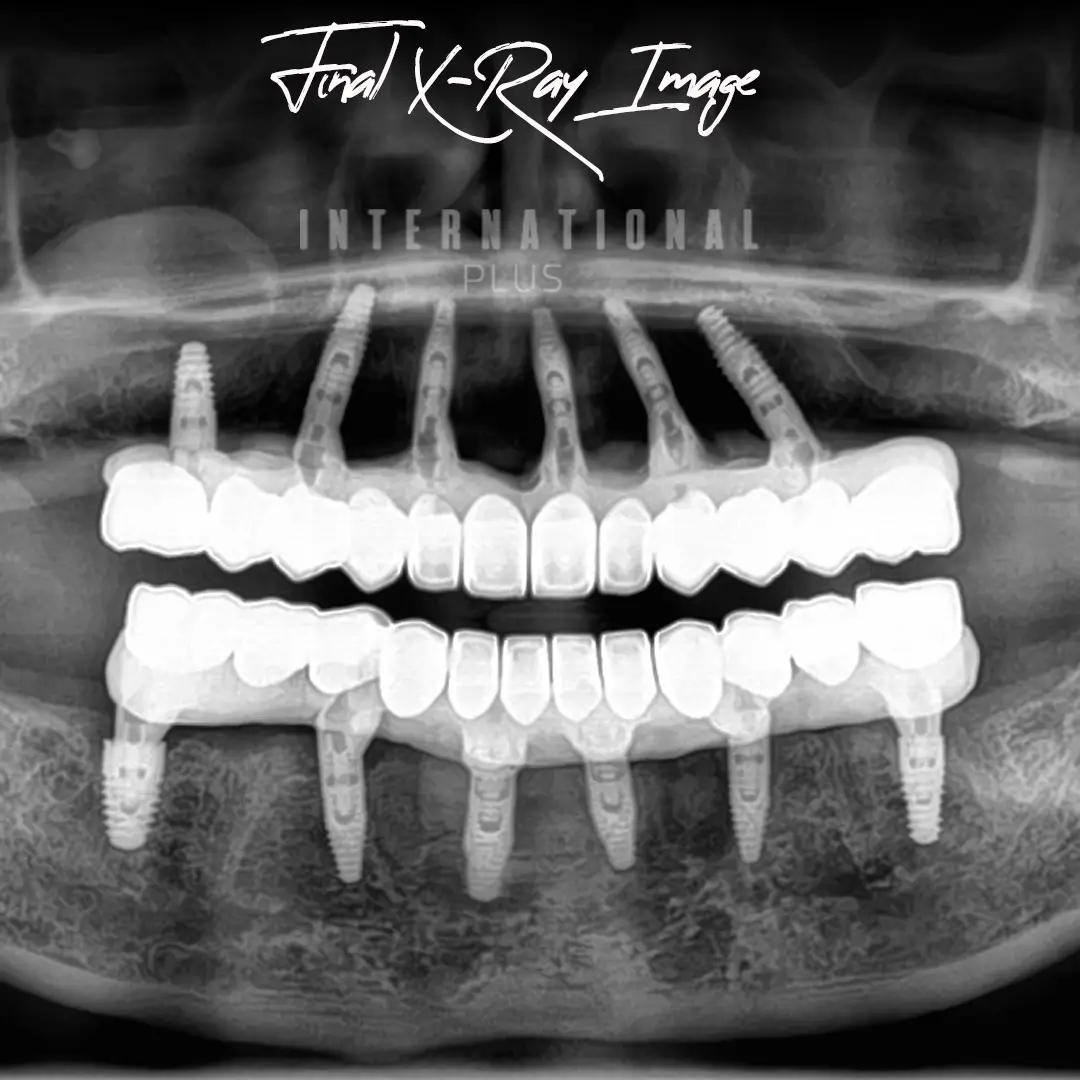
Radiographic evaluation revealed the extent of bone resorption in both upper and lower jaws. The remaining bone volume could not successfully support conventional dental rehabilitation without significant augmentation procedures. Despite this reality, bone quality assessment indicated that dental implants could be successfully supported with appropriate grafting.
Understanding Prognosis in Complex Dental Cases
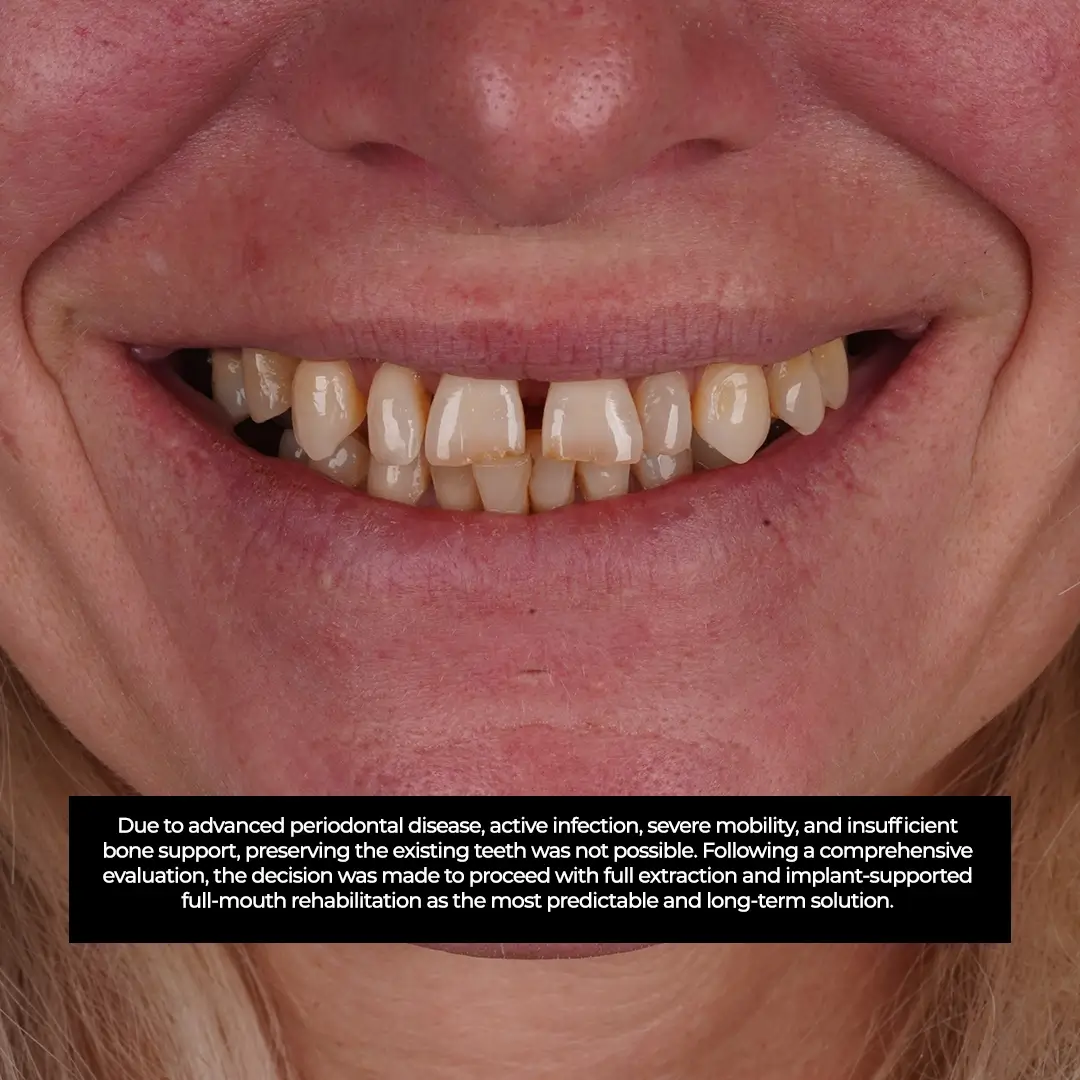
Prognosis refers to the predicted outcome and expected lifespan of a tooth or dental restoration based on clinical and radiographic findings. In the patient’s case, several factors contributed to the poor prognosis of the remaining teeth: advanced periodontal disease, active infection, significant mobility, and inadequate bone support.
When prognosis is assessed as poor, International Plus adheres to a fundamental clinical policy: long term functional rehabilitation takes priority over temporary preservation of compromised structures. Attempts to preserve failing teeth can lead to repeated treatments, ongoing discomfort, and progressive loss of bone volume.
The decision to proceed with complete extraction and implant rehabilitation was not made lightly. This represented the most predictable path to restoring the patient’s oral health, masticatory function, and smile aesthetics for decades to come.
Atraumatic Extraction Approach
The term atraumatic extraction describes surgical techniques that minimize trauma to surrounding bone and soft tissue during tooth removal. This approach assumes critical importance when immediate implant placement is planned.
Traditional forceps extractions often crush alveolar bone, create irregular socket walls, and reduce available bone for implant support. In contrast, atraumatic techniques gently separate the periodontal ligament, preserve intact socket walls, and maintain existing bone architecture.
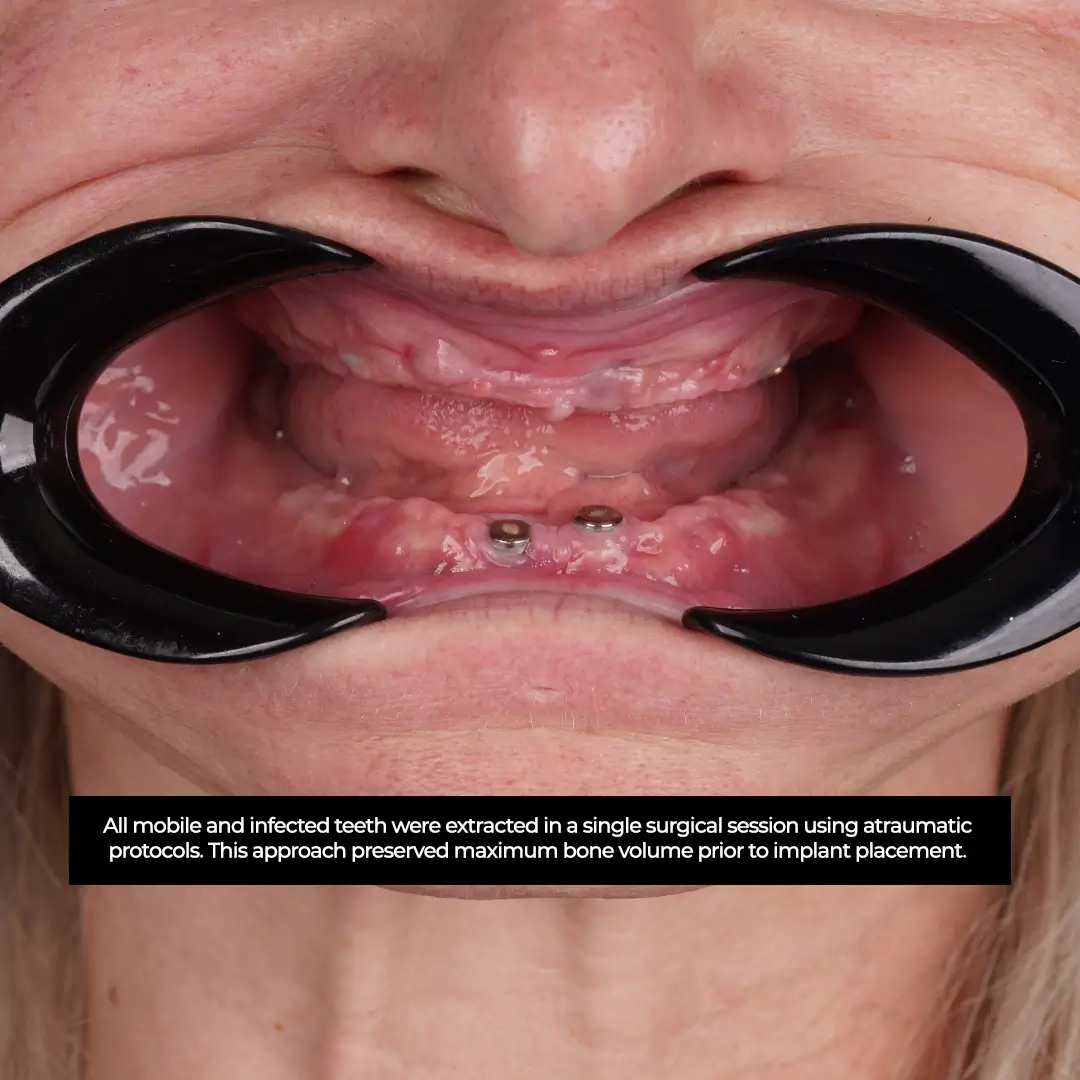
For the patient, all mobile and infected teeth were removed during the surgical session using atraumatic protocols. Careful extraction technique preserved maximum bone volume in preparation for immediate implant placement.
Surgical procedures were performed under local anesthesia in a procedure lasting approximately two hours to ensure both patient comfort and physician efficiency. The surgical phase was completed in a single session, and the patient was hosted at the clinic for 2 days for monitoring purposes.
Surgical Phase: Twelve Implant Rehabilitation
Placing twelve dental implants in a single surgical session represents a significant technical challenge requiring surgical expertise, endurance, and meticulous planning. Most clinics divide full mouth rehabilitation into multiple surgical appointments due to increased surgical complexity and patient fatigue.
The surgical plan called for a total of twelve implants: six in the upper jaw and six in the lower jaw. This distribution provided adequate support for full arch prosthetic reconstruction while accounting for anatomical constraints and available bone volume.
Each implant site required precise osteotomy preparation, careful depth control, and optimal angulation to ensure primary stability.
The BEGO implant system was specifically selected for the patient based on several patient specific factors. BEGO implants incorporate TiPurePlus surface treatment, which involves sandblasting and acid etching of Grade 4 commercially pure titanium. This treatment creates a micro roughened surface optimized for cell attachment and bone formation.
Simultaneous Bone Grafting for Long Term Success
Bone grafting involves placement of bone substitute materials or autogenous bone into areas of deficiency to rebuild lost bone volume. This procedure assumes critical importance when natural bone volume is inadequate for proper implant positioning.
In the patient’s case, some areas exhibited insufficient bone volume to fully cover the implant body. The surgical team performed simultaneous grafting during implant placement, creating optimal conditions for integration.
Grafting material serves multiple functions: filling gaps between implant and natural bone and stimulating new bone formation. The bone healing process occurs in three sequential phases: osteoinduction (transformation of mesenchymal stem cells into osteoblasts and new bone formation), osteoconduction (bone growth along the graft material), and remodeling (adaptation of bone structure to functional loads). These three phases occur sequentially, with each phase beginning before the previous one completes, thus ensuring long term stability of the implants.
Bilateral sinus lift procedures were also part of the surgical protocol. Sinus lifting involves elevation of the maxillary sinus cavity that expands after loss of upper posterior teeth and placement of bone graft material beneath it. This procedure creates adequate bone height for implants in the upper jaw.
Prosthetic Phase: Digital Smile Design Process
Following completion of the approximately six month healing period for complete osseointegration, the patient returned to International Plus for the prosthetic phase. This stage utilizes cutting edge digital tools that revolutionize smile design.
The process began with digital intraoral scanning. This technology captures a three dimensional map of the dental arches with exceptional accuracy, eliminating the discomfort and inaccuracy of traditional impressions.
Complementing the intraoral data, the team performed digital facial scanning. This captures the patient’s facial proportions, lip dynamics, and smile characteristics. The combination of intraoral and facial data ensures that prostheses harmonize not just with the mouth but with the entire face.
The digital workflow provides patients with a preview of their final smile before any permanent restoration is made. This preview capability transforms the patient from a passive recipient to an active collaborator in the design process.
Patient Centered Aesthetic Planning
International Plus recognizes that smile design is as much art as it is science. The clinic’s approach treats each case as a unique dental art project where technical precision meets aesthetic vision.
The patient participated directly in selecting tooth shade, form, and arrangement. This collaborative process utilized customized smile design software that allowed real time visualization of different aesthetic options.
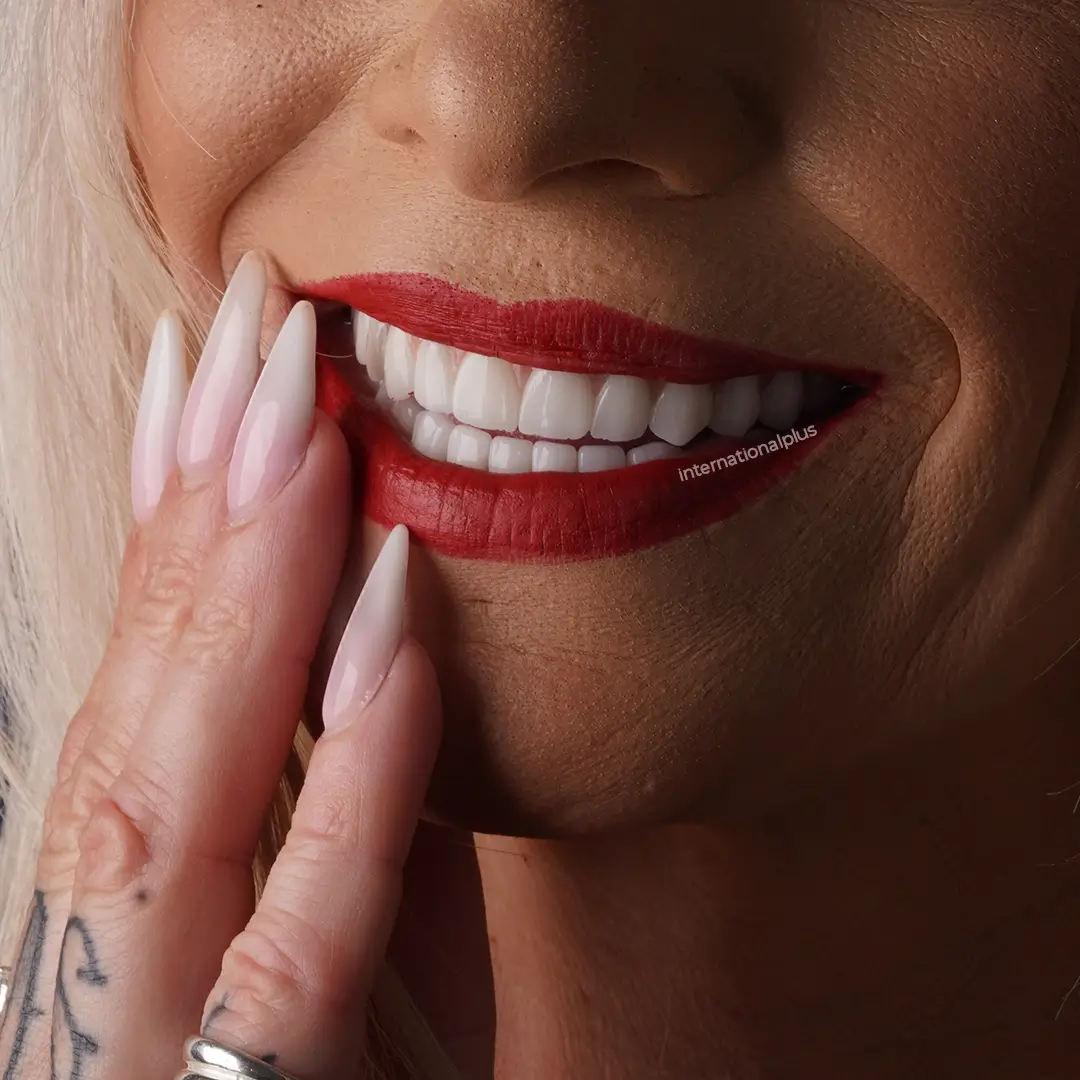
For tooth shade, the natural 0M2 shade was selected. This shade provides a healthy, vibrant appearance without the artificial brightness of ultra white cosmetic treatments. The 0M2 shade possesses translucency and color depth closely resembling natural enamel.
Tooth form and arrangement were planned to complement the patient’s facial structure, lip line, and smile dynamics. This patient centered philosophy is what distinguishes premium dental care from standardized treatments.
In House Laboratory Excellence at International Plus
One of International Plus’s defining advantages resides in its state of the art in house dental laboratory. Unlike clinics that outsource prosthetic fabrication to external labs, International Plus maintains complete control over production.
The laboratory employs master ceramists who transform digital designs into physical restorations using advanced CAD/CAM technology. Zirconia blocks arrive from manufacturers as solid, pre shaded blocks.
The transformation from block to finished tooth requires extraordinary skill and precision. Milling machines from Redon Technology carve zirconia blocks according to digital specifications with micron level accuracy. The Best Mill 5 axis milling system and R-One+ 4 axis high speed mill (100,000 RPM) create precise geometries and smooth surfaces.
However, technology alone cannot achieve natural aesthetics. After milling, laboratory technicians customize each restoration by adding subtle characterizations that replicate the natural irregularities found in real teeth.
This artisan approach supported by digital precision explains why International Plus restorations consistently achieve superior aesthetic outcomes. The in house laboratory also enables direct communication between clinicians and technicians, eliminating the communication breakdowns that occur when working with external laboratories.
Why BEGO Implants Were Chosen
Implant system selection is a critical decision that affects both immediate surgical outcomes and long term success. For the patient, the clinical team selected BEGO implants after carefully evaluating multiple factors.
BEGO’s implant design offers proven performance in challenging clinical situations. The TiPurePlus surface treatment creates a consistently roughened surface that promotes rapid cell attachment and bone formation.
Patient specific factors influenced the BEGO selection. The implant system has demonstrated reliable performance across varying bone densities and clinical scenarios. The platform switching design reduces stress concentrations at the bone implant interface, supporting long term marginal bone stability.
The combination of proven clinical performance, advanced surface technology, and versatile prosthetic options made BEGO the optimal choice for the patient’s comprehensive rehabilitation. This selection reflects International Plus’s philosophy of preferring long term predictability over short term convenience.
Toronto Bridge Framework Advantage
The Toronto bridge represents a time tested approach to full arch implant rehabilitation. The Toronto bridge concept, originally developed by Professor Per-Ingvar Brånemark, has formed the foundation of modern full mouth rehabilitation.
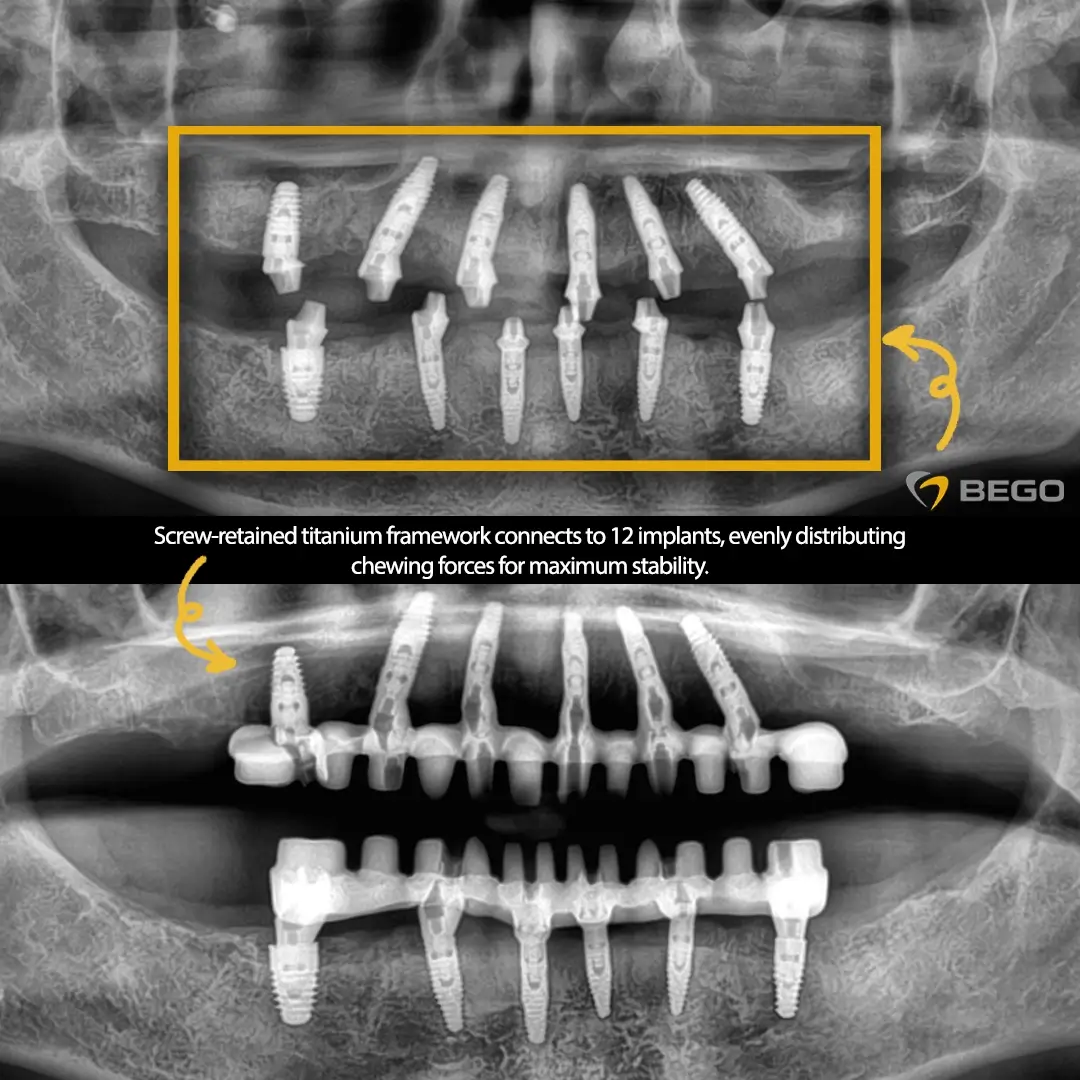
In the patient’s treatment, it consisted of a screw retained titanium framework connecting directly to the twelve osseointegrated implants. This framework serves multiple critical functions in the overall restoration.
The titanium framework provides rigid stabilization that distributes occlusal forces evenly across all implants. Unlike individual crowns where each implant carries isolated loads, the Toronto framework ensures force sharing across the entire arch.
Positioned over the framework, Aidite zirconia teeth form the visible aesthetic component of the restoration. Two different zirconia formulations were used: teeth made from multilayer Aizir blocks for the anterior (front) region replicate the color gradation of natural teeth; teeth made from 3D Pro 1100 MPa monolithic blocks for the posterior (back) region provide maximum fracture resistance.
This combination of two material approaches optimizes both aesthetics and durability. Anterior teeth prioritize natural appearance, while posterior teeth prioritize functional durability.

Surgical and Prosthetic Phases: Timeline and Expectations
Surgical Phase: All tooth extractions, bone grafting, sinus lift procedures, and twelve implant placements were completed in a single surgical session. The patient was hosted at the clinic for 2 days post procedure for monitoring purposes.
Healing Period: Following the surgical phase, a six month osseointegration period was planned for complete fusion of implants with bone. This period is necessary for consolidation of bone grafting and sinus lift procedures.
Prosthetic Phase: Following completion of the six month healing period, the patient returned for digital scanning, smile design, and fabrication of final restorations. This phase involves collaborative design and precise fabrication to ensure patient satisfaction.
Final Delivery: Once all restorations were completed and tested, the patient departed with complete functional and aesthetic rehabilitation. Total treatment time from surgical intervention to final delivery was approximately six months.
Treatment Outcomes and Patient Satisfaction
The patient’s case demonstrates International Plus’s comprehensive approach to complex dental rehabilitation. The transition from advanced bone loss and active infection to complete functional and aesthetic restoration requires meticulous planning, advanced techniques, and patient centered care.
The patient departed extremely satisfied, and the treatment restored masticatory function, speech clarity, and smile aesthetics. The combination of twelve BEGO implants, Toronto framework, and Ivoclar zirconia restorations created a robust foundation expected to serve for decades.
This case demonstrates that modern implant dentistry, when applied by an experienced team, can successfully address even the most challenging dental situations. International Plus’s in house laboratory, digital workflow, and multidisciplinary approach are the distinguishing factors contributing to success.
Treatment Summary: Technical Details
Implants: 12 BEGO implants (6 upper jaw, 6 lower jaw)
Framework: Screw retained titanium Toronto bridge framework
Zirconia: Aidite Aizir multilayer (anterior), Aidite 3D Pro 1100 MPa (posterior)
Final Restorations: Ivoclar zirconia standard
Milling: Redon Best Mill 5 axis + R-One+ 4 axis (100,000 RPM)
Tooth Shade: Natural 0M2
Bone Grafting: Simultaneous grafting + bilateral sinus lift
Healing Time: 6 months osseointegration
Surgical Anesthesia: Local anesthesia (approximately 2 hours)
Post operative Stay: 2 days monitoring
Total Treatment Duration: Approximately 6 months (surgical + healing + prosthetic)
internationalplusofficial
internationalplus
internationalplusdental
This content is written, reviewed, and approved by the International Plus Medical Review Board to ensure clinical accuracy and adherence to strict editorial standards. All medical information is regularly monitored, audited and updated in light of the latest scientific advancements.
However the information provided here is for general informational purposes only and cannot be used for self diagnosis or making individual health interpretations. Results of medical treatments depend on individual anatomy and the unique healing process of each patient. This information should not replace a personal consultation with a qualified healthcare professional. To understand the best options for your specific needs and to receive a personalized treatment plan, we invite you to book a free consultation with the expert medical team at International Plus.
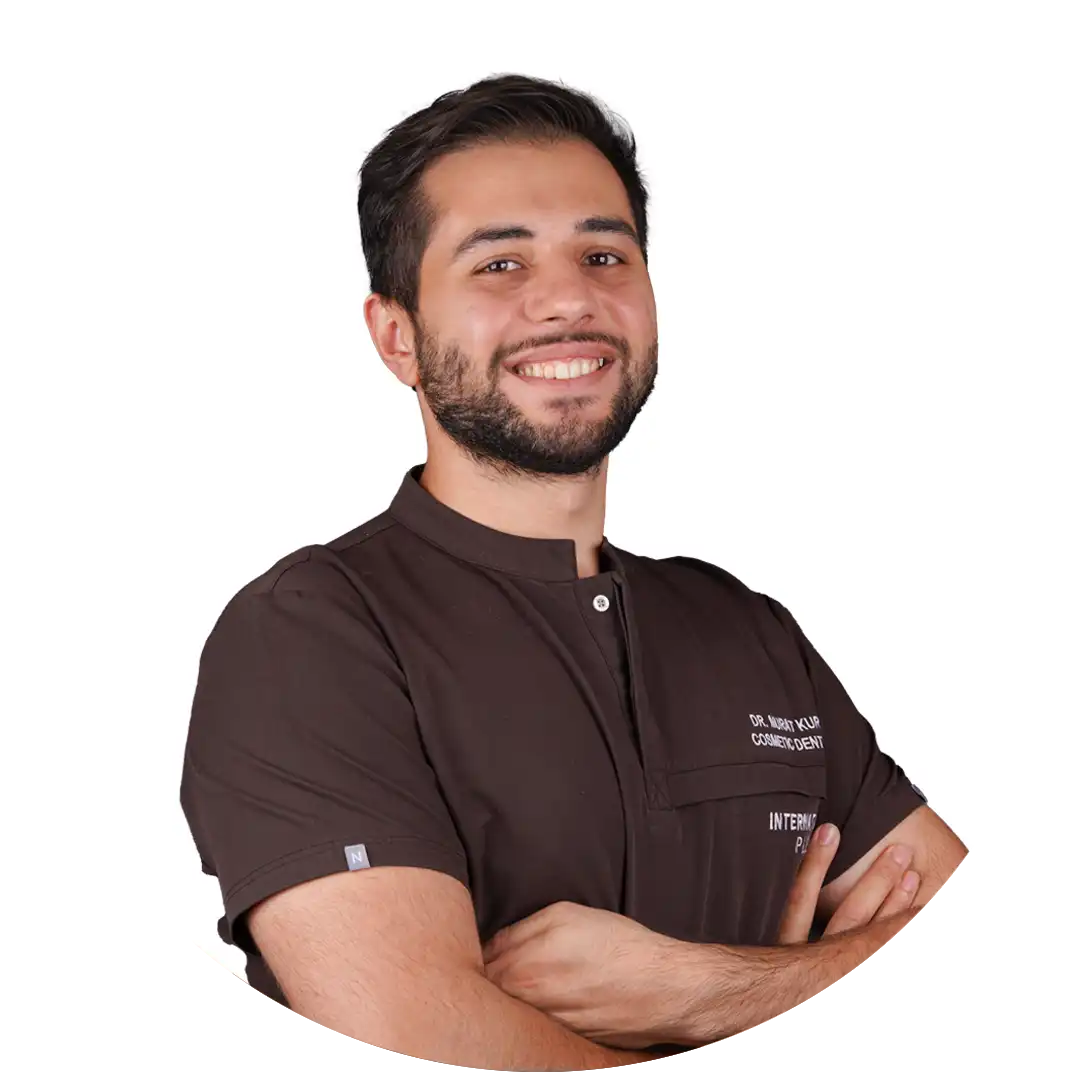
Dt. Murat İsmail Kurt is an experienced Cosmetic and Restorative Dentist who earned his degree from Kırıkkale University Faculty of Dentistry in 2020. Since the beginning of his career, he has accumulated significant clinical experience working in high-volume dental centers Clinics , where he successfully managed thousands of patient cases before joining the medical team at International Plus.