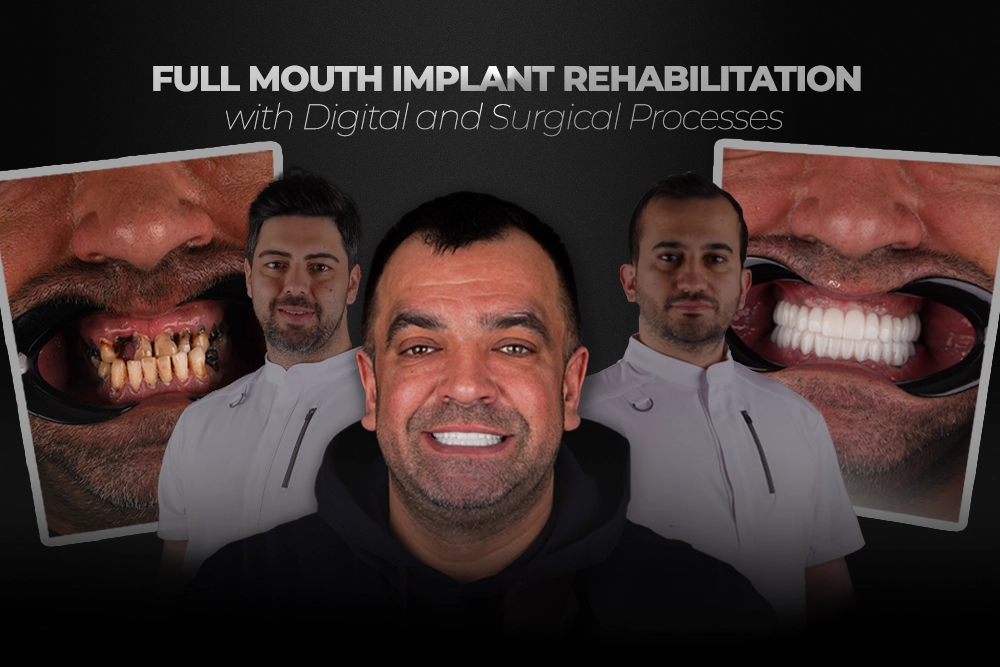
When Anes, a 42 year old patient from Germany, arrived at International Plus in Istanbul, he faced a situation that many adults encounter but few know how to address properly: severely deteriorated teeth that could not be restored through conventional treatments. His case exemplifies how modern digital dentistry, combined with multidisciplinary expertise, can transform dental health and quality of life through a systematic, step by step approach.
What sets International Plus apart in cases like Anes’s is not just technical capability, but a structured treatment philosophy organized into distinct phases. This STEP based methodology ensures that every aspect of rehabilitation receives proper attention, from initial diagnosis through final delivery. Each STEP involves specific specialists, technologies, and quality control measures designed to eliminate error and maximize long term success. Importantly, the team planned to preserve Anes’s original bite relationship (occlusion) through the use of fixed temporary prostheses during the healing period, ensuring his comfort and natural function from the very beginning.
STEP 1: Multidisciplinary Treatment Planning and Diagnostic Council
The foundation of successful full mouth rehabilitation lies not in rushing to surgery, but in comprehensive planning. At International Plus, complex cases undergo evaluation by what the clinic calls the Diagnostic Council, a team of senior specialists who collaboratively develop treatment strategies. This multidisciplinary approach has been shown to significantly improve treatment success rates, with studies reporting success rates of 78.3% to 93.2% for full mouth implant rehabilitations when proper planning protocols are followed (Contemp Clin Dent. 2020; PMC7583539).
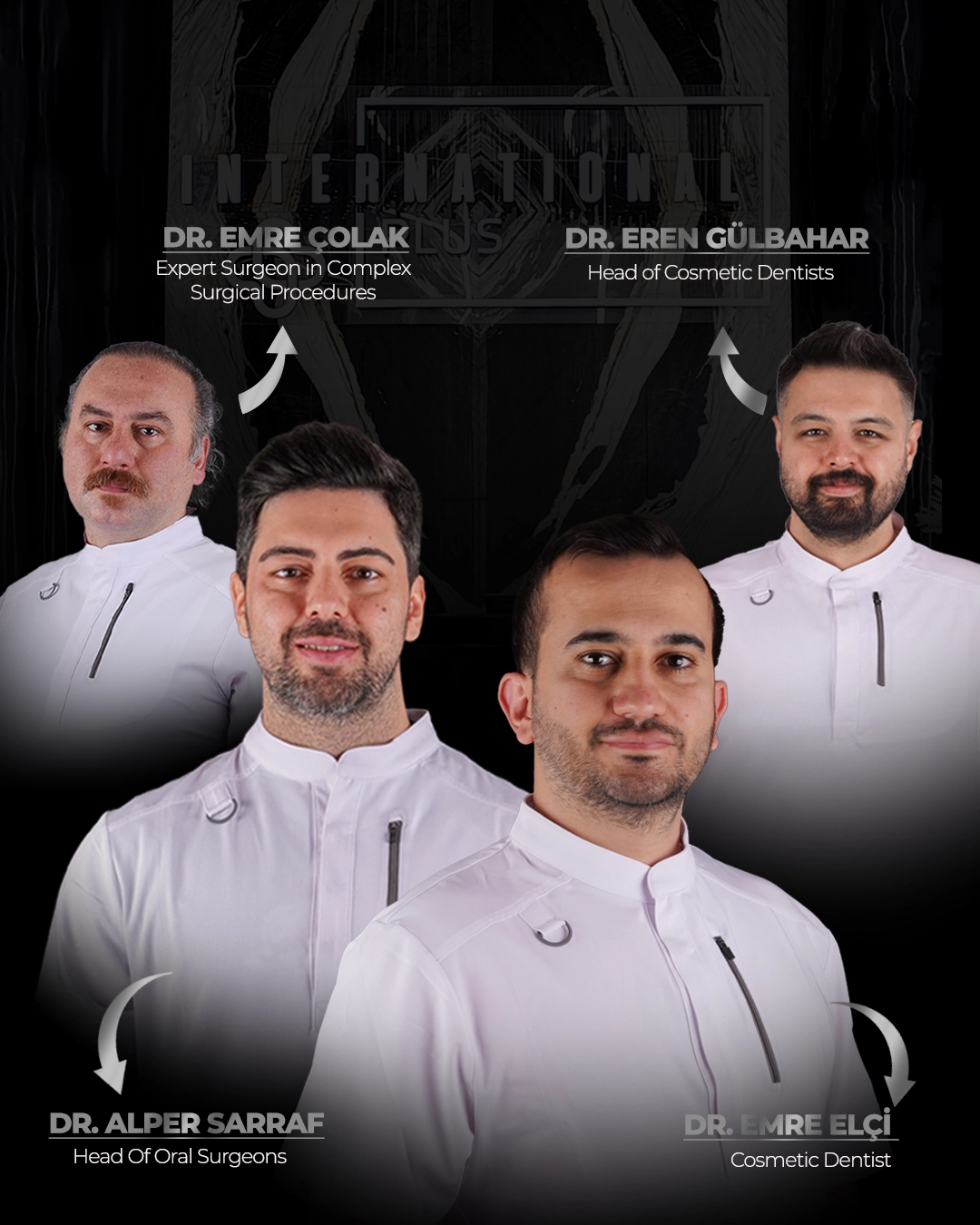
For Anes’s case, the Diagnostic Council consisted of four key specialists:
Dr. Alper Sarraf, Head of Oral Surgeons, evaluated the clinical and radiological findings to determine surgical feasibility and plan the implant placement strategy.
Dr. Eren Gülbahar, Head of Cosmetic Dentists, analyzed aesthetic requirements and planned the prosthetic phase to achieve optimal facial harmony.
Dr. Emre Elçi, Cosmetic Dentist, contributed to prosthetic planning with focus on smile design and functional occlusion.
Dr. Emre Çolak, Expert Surgeon in Complex Surgical Procedures, provided insight on complex anatomical considerations and surgical risk management.
This multidisciplinary approach represents one of International Plus’s defining characteristics. Rather than relying on a single practitioner’s judgment, the clinic ensures that surgical, prosthetic, and aesthetic perspectives all inform the treatment plan. Research demonstrates that such collaborative models significantly reduce the risk of complications and enhance predictability in complex dental rehabilitations (Contemp Clin Dent. 2018; PMC6104362).
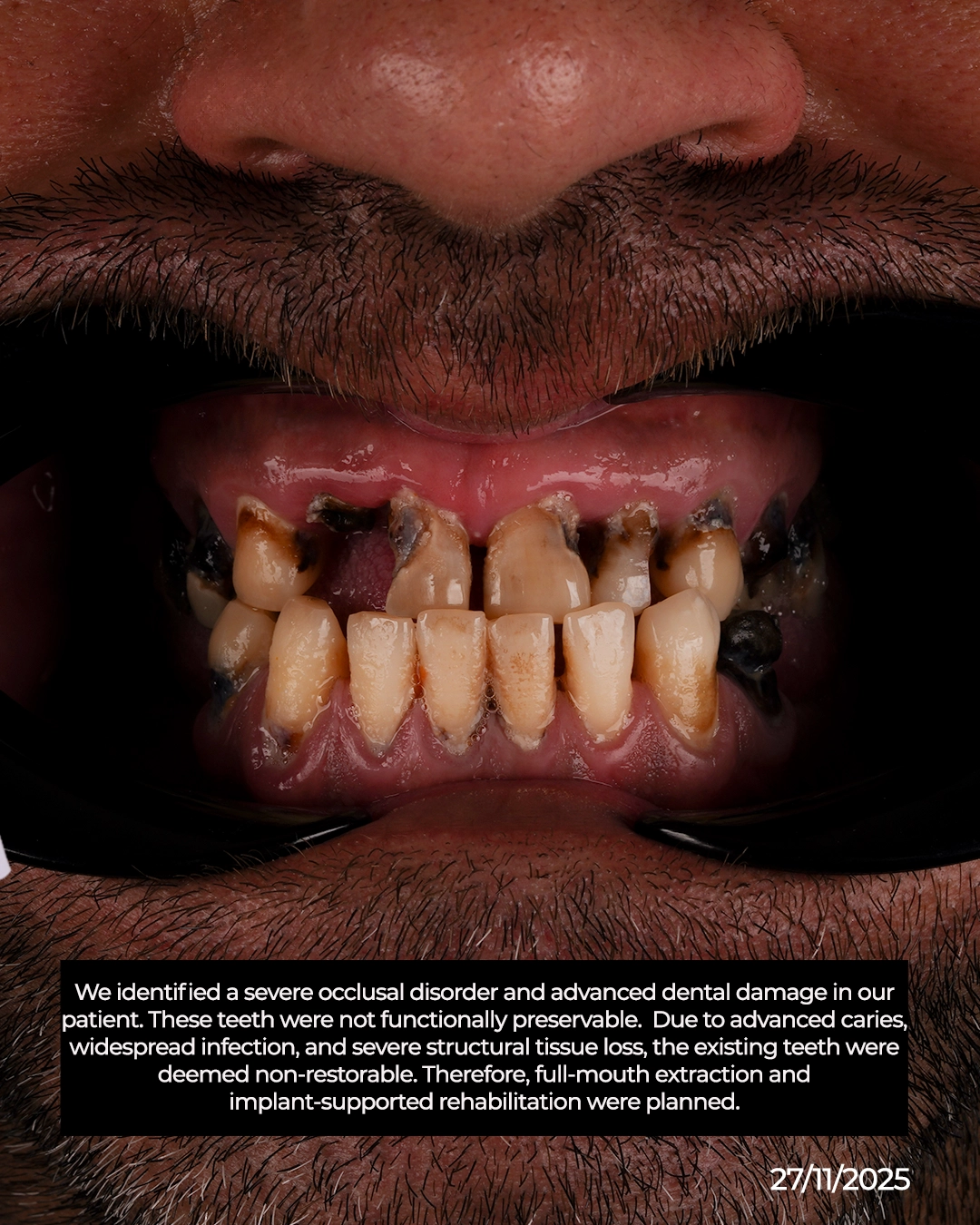
During STEP 1, the team conducted comprehensive clinical examination and advanced imaging studies. Digital radiographs and 3D CBCT scans revealed that Anes’s existing teeth had progressed beyond the point where conventional restoration could provide reliable long term function. The bone structure, however, showed adequate volume and density to support dental implants without requiring extensive augmentation procedures.
The Diagnostic Council determined that complete extraction followed by implant supported rehabilitation offered the most predictable pathway to restore both function and aesthetics. Importantly, the team planned to preserve Anes’s original bite relationship (occlusion), which would prove crucial for his comfort and adaptation to the final restoration.
Advanced technology played a critical role even at this planning stage. Digital treatment planning software allowed the team to virtually position implants, design prosthetic structures, and anticipate potential complications before any surgical intervention. This digital planning eliminates guesswork and ensures surgical precision.
Understanding Advanced Dental Deterioration and Treatment Options
Anes’s condition, described as ‘severely deteriorated teeth that cannot be restored,’ requires explanation for patients considering similar treatment. Advanced dental deterioration refers to situations where teeth have degraded to the point where conventional treatments (fillings, crowns, root canals) cannot reliably restore function or prevent further breakdown.
Several factors contribute to teeth reaching this stage: advanced decay affecting tooth structure below the gum line, severe periodontal disease causing bone loss around tooth roots, fractures extending into tooth roots, or combinations of these problems affecting multiple teeth. When individual teeth show poor prognosis, addressing them one by one often leads to a cascade of repeated treatments, ongoing discomfort, and progressive bone loss.
In such cases, full mouth implant rehabilitation offers advantages over attempting to preserve failing teeth. Implants prevent the bone resorption that occurs when teeth are lost. They provide stable, long lasting foundations that don’t decay. Most importantly, comprehensive rehabilitation allows for optimal positioning of all teeth simultaneously, creating ideal function and aesthetics that piecemeal repairs cannot achieve.
STEP 2: Surgical Phase with Advanced Implant Systems
Following the detailed planning in STEP 1, Anes proceeded to the surgical phase, perhaps the most critical component of implant rehabilitation. At International Plus, the surgical phase demonstrates the clinic’s commitment to both clinical excellence and patient comfort.
The surgical procedure began with atraumatic extraction of all severely damaged teeth in both upper and lower jaws. As explained in previous International Plus case studies, atraumatic extraction uses specialized instruments and techniques to remove teeth while preserving surrounding bone and soft tissue. This careful approach maintains the anatomical foundation needed for immediate implant placement.
Following extractions, twelve dental implants were strategically positioned, six in the upper jaw and six in the lower jaw. The clinic’s approach to implant selection reveals attention to detail that distinguishes premium care from standard treatment.
Strategic Implant System Selection: BEGO and Implance
For Anes’s upper jaw, the surgical team selected BEGO implants. As detailed in previous case studies, BEGO implants feature the TiPurePlus surface treatment on Grade 4 commercially pure titanium, creating exceptional conditions for rapid osseointegration. The self tapping thread design and integrated platform switching make BEGO implants particularly suitable for the maxillary (upper) arch where bone density tends to be lower and anatomical structures like the maxillary sinus require careful navigation.
For the lower jaw, Implance implants were chosen. The mandible (lower jaw) typically presents denser bone and different biomechanical loading patterns compared to the maxilla. Implance implants offer specific advantages in these conditions, with design characteristics optimized for the mandibular bone density and the higher occlusal forces experienced in the posterior lower arch.
This differentiated implant selection, using different systems for upper and lower jaws, exemplifies International Plus’s evidence based approach. Rather than applying a one size fits all solution, the clinic selects implant systems based on specific anatomical and biomechanical requirements of each jaw.
Importantly, Anes’s bone evaluation revealed adequate bone volume and density in both jaws. This meant that sinus augmentation (sinus lift) procedures were not necessary, allowing for a more straightforward surgical protocol and potentially faster healing. This assessment demonstrates the value of thorough diagnostic planning in STEP 1.
Same Day Temporary Teeth and Patient Comfort
One of patients’ primary concerns when considering full mouth implant treatment is the prospect of being without teeth during healing. International Plus addresses this through immediate temporary prosthesis delivery.
On the day of surgery, after implant placement, Anes received fixed temporary teeth fabricated from PMMA (polymethyl methacrylate) material. These temporary prostheses attached to the implants, providing immediate aesthetics and function. PMMA offers the ideal balance of properties for temporary use: sufficient strength to withstand normal eating forces, appropriate weight distribution, and biocompatibility with healing tissues.
The surgical phase, despite involving extraction of all teeth and placement of twelve implants, was completed in a single day. This efficiency results from meticulous pre surgical planning and the surgical team’s expertise. However, International Plus recommends that patients remain in Istanbul for 3 to 4 days following surgery for observation and any necessary adjustments to temporary prostheses.
This brief observation period serves multiple purposes: it allows the surgical team to monitor initial healing, ensures temporary teeth function properly for eating and speaking, provides time for any swelling to subside, and gives patients confidence in their new situation before traveling home. The psychological benefit of leaving Turkey with teeth rather than empty sockets cannot be overstated.
Three Month Osseointegration Period
Following surgery, a three month healing period was planned for Anes. Osseointegration, the biological process by which implants fuse with surrounding bone, occurs predictably over time. The titanium implant surface gradually becomes surrounded by new bone tissue, creating a stable anchor that functions like natural tooth roots.
The three month timeline represents the minimum healing period for achieving reliable osseointegration in favorable conditions. Anes’s case, with adequate bone density and no need for bone grafting, qualified for this standard timeframe. Cases requiring sinus lifts or significant bone augmentation typically require six months, as the grafted bone must consolidate before fully supporting implants.
During this three month period, Anes wore his PMMA temporary prostheses and maintained normal daily activities. The temporary teeth protected the healing implants while allowing him to eat, speak, and smile comfortably. Regular follow up with the International Plus team ensured that healing progressed as expected.
The bone healing process during osseointegration occurs in three sequential phases: osteoinduction (transformation of mesenchymal stem cells into osteoblasts and initiation of new bone formation), osteoconduction (bone growth along the implant surface and graft material), and remodeling (adaptation of bone structure to functional loads). These three phases occur sequentially, with each phase beginning before the previous one completes, ensuring the implants achieve complete biological stability.
Scientific research supports the three month timeline for standard implant healing. Studies demonstrate that initial osseointegration sufficient for prosthetic loading occurs within 6 to 12 weeks in dense bone without grafting procedures. The three month period provides a margin of safety, ensuring complete biological stability before proceeding to final prosthetics.
STEP 3: Revolutionary Face Scanning Technology for Smile Design
After the three month healing period, Anes returned to International Plus for the prosthetic phase, STEP 3 in the treatment sequence. This phase introduces technology that places International Plus at the forefront of digital dentistry not just in Turkey, but globally. Digital Smile Design has revolutionized aesthetic dentistry by allowing patients to visualize treatment outcomes before procedures begin, significantly enhancing patient satisfaction and treatment acceptance (J Pharm Bioallied Sci. 2020; PMC7193250).
The prosthetic phase began with facial scanning using the SHINING 3D MetiSmile system. International Plus is currently the only dental clinic in Turkey utilizing this advanced facial scanning technology for smile design. This exclusive capability represents a significant clinical advantage.
The MetiSmile face scanner offers two critical capabilities that traditional dental photography cannot match:
50 Micron Scanning Accuracy: Three data acquisition cameras combined with one 5.0 megapixel HD texture camera achieve scanning precision within 50 micrometers (0.05 millimeters). This exceptional accuracy captures facial features, skin texture, and lip dynamics with a level of detail that allows for truly customized smile design. The high resolution texture mapping records realistic facial colors, enabling precise color matching of final restorations to patient complexion.
10 Second Complete Facial Capture: Unlike traditional photography that requires multiple separate images from different angles, the MetiSmile scanner captures the entire face from multiple angles simultaneously in just 10 seconds. This speed eliminates the variables of changing patient expression, lighting conditions, or camera positioning that plague conventional dental photography. The result is a complete, accurate 3D model of the patient’s face that serves as the foundation for smile design.
Digital Smile Design: Where Art Meets Technology
The face scan data integrates with intraoral scan data to create what International Plus calls Digital Smile Design, a comprehensive digital model that shows how the patient’s teeth relate to facial structures, lip lines, and smile dynamics. Research confirms that this integration of facial and intraoral data significantly improves treatment planning accuracy and aesthetic outcomes (J Pharm Bioallied Sci. 2022; PubMed 36110736).
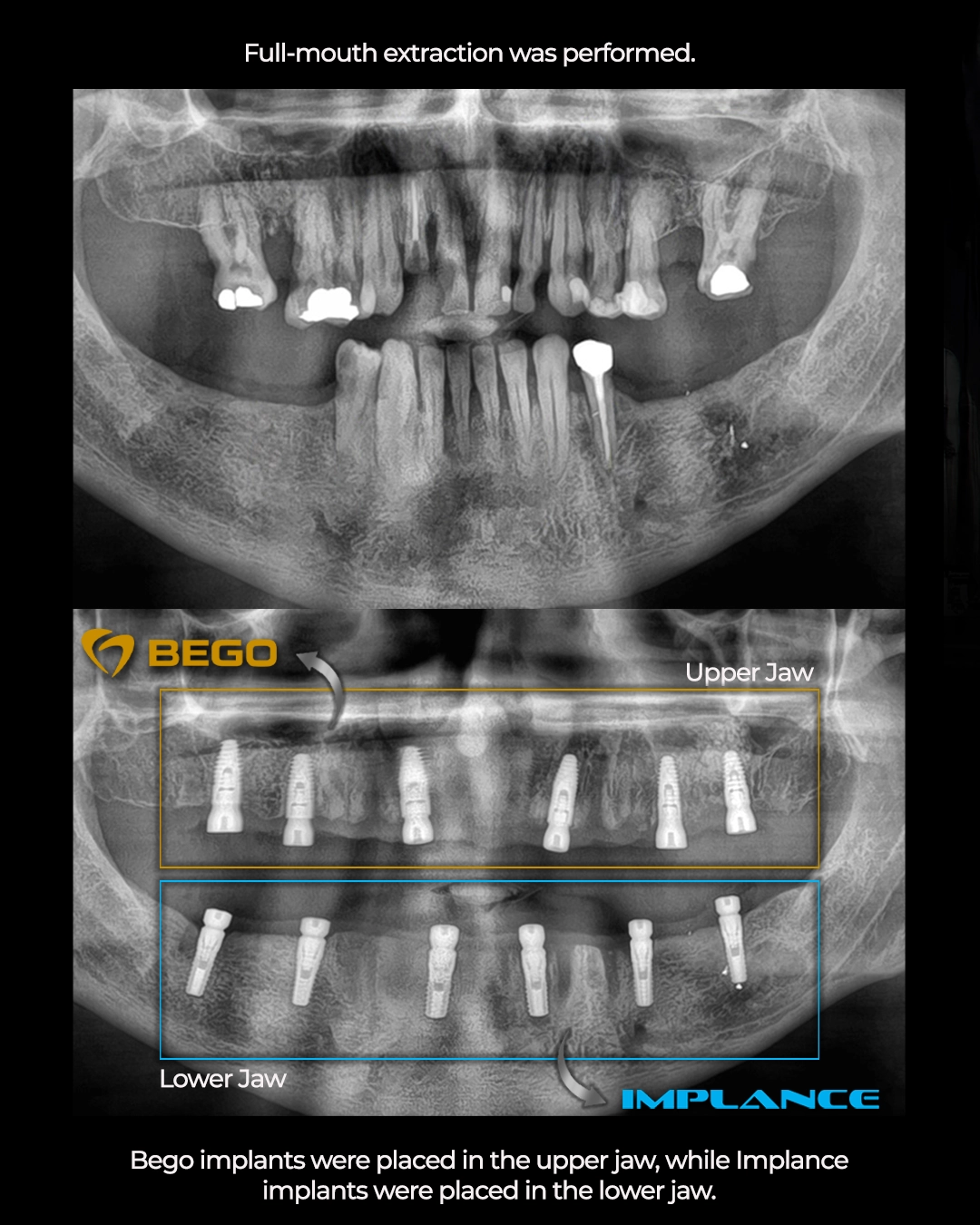
This process deserves emphasis: Digital Smile Design is not simply dental treatment, it represents dental art. The prosthodontists at International Plus, led by Dr. Eren Gülbahar and Dr. Emre Elçi in Anes’s case, function as artists working with digital tools to create restorations that harmonize perfectly with each patient’s unique facial characteristics.
The smile design phase for Anes involved several key considerations: preserving his original bite relationship (occlusion) to maintain familiar function and jaw positioning, creating tooth proportions that complemented his facial dimensions and lip lines, selecting tooth shapes that appeared natural rather than obviously prosthetic, and establishing ideal spacing and alignment that facilitated both aesthetics and proper oral hygiene.
The term Cosmetic Dentistry describes this phase of treatment at International Plus. However, ‘cosmetic’ understates the complexity involved. This work requires deep understanding of dental anatomy, occlusal biomechanics, facial aesthetics, and material science, all synthesized through digital tools to create restorations that function perfectly while appearing completely natural.
Advanced Digital Impression Technology
Alongside facial scanning, Anes’s intraoral anatomy was captured using the TRIOS 5 digital scanner. This intraoral scanner represents the latest generation of optical impression technology, capturing tooth and implant positions with exceptional accuracy.
Implant positions were recorded with additional precision using Imetric photogrammetry technology. Photogrammetry uses multiple calibrated photographs to calculate three dimensional coordinates with accuracy that surpasses standard intraoral scanning for implant positioning. This dual technology approach, intraoral scanning for overall anatomy combined with photogrammetry for exact implant locations, ensures that the laboratory receives data of exceptional quality for fabricating the final prostheses.
The integration of facial scan, intraoral scan, and photogrammetric implant position data creates a complete digital model. All three data sets align within a single coordinate system, allowing the prosthodontists to design restorations with unprecedented accuracy. Modern CAD/CAM technologies enable maximally accurate choices in implant positioning and prosthetic design, directly contributing to high success rates in total rehabilitation (Case Rep Dent. 2020; Wiley Online 3585169). This multi modal digital workflow represents the future of dental rehabilitation.
In House Laboratory: The International Plus Advantage
A critical advantage that International Plus offers, one that significantly impacts both quality and efficiency, is the clinic’s in house dental laboratory. Rather than sending cases to external labs, International Plus maintains complete control over prosthetic fabrication.
This in house capability provides multiple benefits: direct communication between clinicians and laboratory technicians, eliminating the information loss that occurs when working with external labs; rapid turnaround times since there’s no shipping delay or waiting in external lab queues; quality control at every fabrication stage, with ability to make adjustments immediately; and seamless integration of digital design files into the laboratory workflow.
For Anes’s case, the in house laboratory meant that his smile design could be translated directly into physical restorations without the delays and potential errors associated with external lab communication. The prosthodontists who designed his smile worked steps away from the technicians fabricating it, enabling real time collaboration and refinement.
STEP 4: Laboratory Fabrication and Final Delivery
The final STEP in Anes’s rehabilitation involved transforming digital designs into physical restorations through advanced laboratory processes. This phase showcases the materials and manufacturing technologies that International Plus employs for optimal outcomes.
The frameworks and restorations for Anes were fabricated using Ivoclar zirconia, the premium standard that International Plus applies across all cases. Ivoclar zirconia materials offer exceptional strength combined with excellent aesthetics through multilayer color gradients. The material’s reputation for consistent quality, extensive scientific validation, and superior long term performance makes it the material of choice for permanent restorations at International Plus.
The zirconia blocks underwent precision milling using Redon milling machines. These advanced CAD/CAM systems carved the frameworks according to digital specifications with micron level accuracy. Following milling, laboratory technicians performed surface refinement and characterization to create natural looking restorations that matched the digital smile design.
The temporary PMMA prostheses that Anes wore during healing were fabricated using an Asiga 3D printer with Arma dental resin. This combination produces temporary restorations with appropriate strength, biocompatibility, and aesthetics for the healing period.
For the final restorations, the exclusive use of Ivoclar zirconia ensures consistent quality and predictable long term outcomes. This commitment to premium materials reflects International Plus’s philosophy of never compromising on quality for the sake of cost efficiency.
Preserving Original Occlusion: Function Meets Comfort
One of the most significant aspects of Anes’s treatment, one that greatly influenced his satisfaction with the final result, was the preservation of his original bite relationship (occlusion).
Occlusion refers to how upper and lower teeth contact when the jaws close. Every person develops a unique bite pattern based on their jaw structure, muscle function, and dental anatomy. This pattern becomes deeply familiar, it represents the ‘normal’ feeling of biting and chewing that the brain and jaw muscles recognize.
When full mouth rehabilitation creates a completely different bite relationship, patients often struggle to adapt. The jaw muscles must learn new movement patterns. Chewing feels unfamiliar. Swallowing may require conscious effort. These adaptations can take months and may never feel completely natural.
International Plus’s approach prioritizes preserving the patient’s existing occlusal relationship whenever clinically appropriate. During STEP 1, the team carefully documented Anes’s original bite using digital records. During STEP 3 smile design, this information guided the positioning of teeth to replicate his familiar bite pattern. The result: when Anes received his final restorations, they felt immediately comfortable and natural.
This attention to occlusal preservation represents sophisticated treatment planning that considers not just dental aesthetics and implant success, but long term patient comfort and adaptation. It exemplifies International Plus’s patient centered approach.
Final Quality Control and Patient Discharge
Before Anes received final discharge, his completed rehabilitation underwent comprehensive evaluation by a senior team consisting of:
Dr. Alper Sarraf, Head of Oral Surgeons, verified implant health and soft tissue healing.
Dr. Eren Gülbahar, Head of Cosmetic Dentists, confirmed that aesthetics matched the smile design and facial harmony.
Dr. Hakkı Küçük, specialist, assessed occlusion and verified proper bite function.
This multi specialist final evaluation ensures that every aspect of treatment (surgical, prosthetic, aesthetic, and functional) meets International Plus standards before the patient leaves Istanbul. It represents the quality control that distinguishes premium dental care from standard treatment.
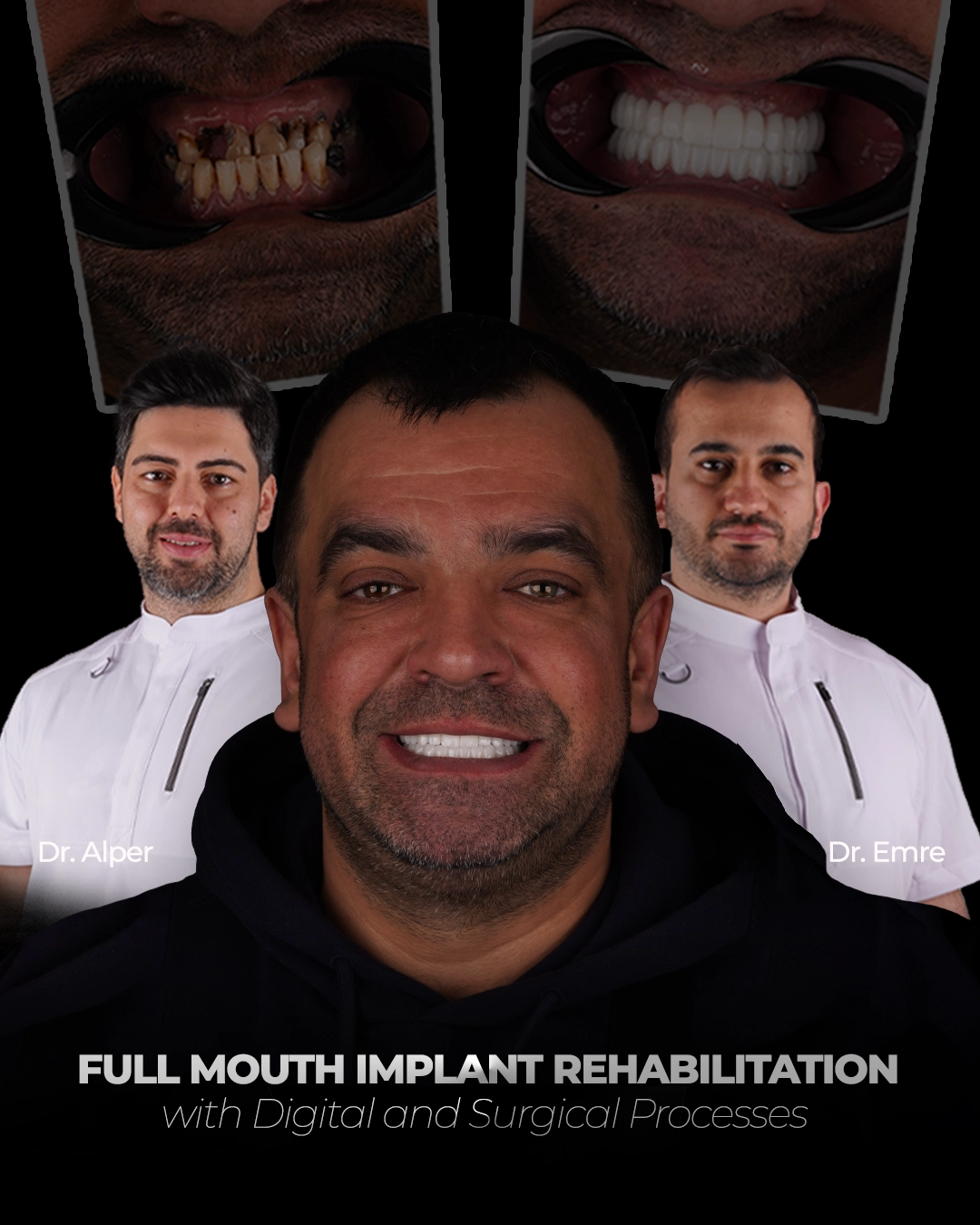
Anes departed International Plus with complete confidence in his new smile. The systematic STEP based approach, combined with advanced digital technologies and multidisciplinary expertise, produced a result that exceeded expectations both functionally and aesthetically.
Treatment Outcomes and Long Term Prognosis
Anes’s case demonstrates how International Plus’s systematic approach to full mouth rehabilitation creates predictable, successful outcomes. The STEP based methodology ensures that nothing is overlooked and that each phase builds properly on the previous one. Research confirms that implant supported full mouth rehabilitations provide significant improvements in masticatory efficiency, speech, and overall quality of life, with high patient satisfaction rates (Cureus. 2024; PubMed 39268280).
From initial Diagnostic Council evaluation through surgical implant placement, digital smile design, and final prosthetic delivery, every element of treatment received appropriate attention from relevant specialists. The use of premium materials (BEGO and Implance implants, Ivoclar zirconia restorations) combined with advanced technologies (MetiSmile face scanning, TRIOS 5 intraoral scanning, Imetric photogrammetry) created the foundation for long term success.
The preservation of Anes’s original occlusion, the focus on facial harmony through digital smile design, and the artistic approach to cosmetic dentistry resulted in restorations that not only function perfectly but appear completely natural. The in house laboratory ensured quality control at every fabrication stage.
Perhaps most significantly, Anes left International Plus extremely satisfied with his experience and outcome. This satisfaction reflects not just successful dental treatment, but the comprehensive, patient centered approach that defines care at International Plus. The clinic’s commitment to excellence in every STEP created a transformation that will enhance Anes’s quality of life for decades to come.
Key Technologies and Materials Summary
Patient Age: 42 years old
Facial Scanning: SHINING 3D MetiSmile (50 micron accuracy, 10 second full facial capture)
Intraoral Scanning: TRIOS 5 digital scanner
Implant Position Recording: Imetric photogrammetry system
Upper Jaw Implants: BEGO (6 implants, TiPurePlus surface)
Lower Jaw Implants: Implance (6 implants)
Final Restorations: Ivoclar zirconia (frameworks and teeth)
Milling System: Redon CAD/CAM milling machines
Temporary Prostheses: Asiga 3D printer with Arma dental resin (PMMA)
Healing Period: 3 months osseointegration
Post Surgical Stay: 3 to 4 days in Istanbul for observation
Scientific References
- Full mouth rehabilitation success rates: Bhandari J, et al. Contemp Clin Dent. 2020. PMC7583539
- Multidisciplinary approach benefits: Singhal MK, et al. Contemp Clin Dent. 2018. PMC6104362
- Digital smile design innovative tool: Jafri Z, et al. J Pharm Bioallied Sci. 2020. PMC7193250
- Digital smile design overview: Thomas PA, et al. J Pharm Bioallied Sci. 2022. PubMed 36110736
- CAD/CAM in full arch rehabilitation: Ashurko I, et al. Case Rep Dent. 2020. Wiley 3585169
- Implant supported full mouth rehabilitation outcomes: Kemburu R, et al. Cureus. 2024. PubMed 39268280
internationalplusofficial
internationalplus
internationalplusdental
This content is written, reviewed, and approved by the International Plus Medical Review Board to ensure clinical accuracy and adherence to strict editorial standards. All medical information is regularly monitored, audited and updated in light of the latest scientific advancements.
However the information provided here is for general informational purposes only and cannot be used for self diagnosis or making individual health interpretations. Results of medical treatments depend on individual anatomy and the unique healing process of each patient. This information should not replace a personal consultation with a qualified healthcare professional. To understand the best options for your specific needs and to receive a personalized treatment plan, we invite you to book a free consultation with the expert medical team at International Plus.

Dt. Melek Şentürk brings advanced surgical expertise to complex cases many general dentists turn away, specializing in subperiosteal implants and full mouth rehabilitations for patients abroad with severe bone loss.