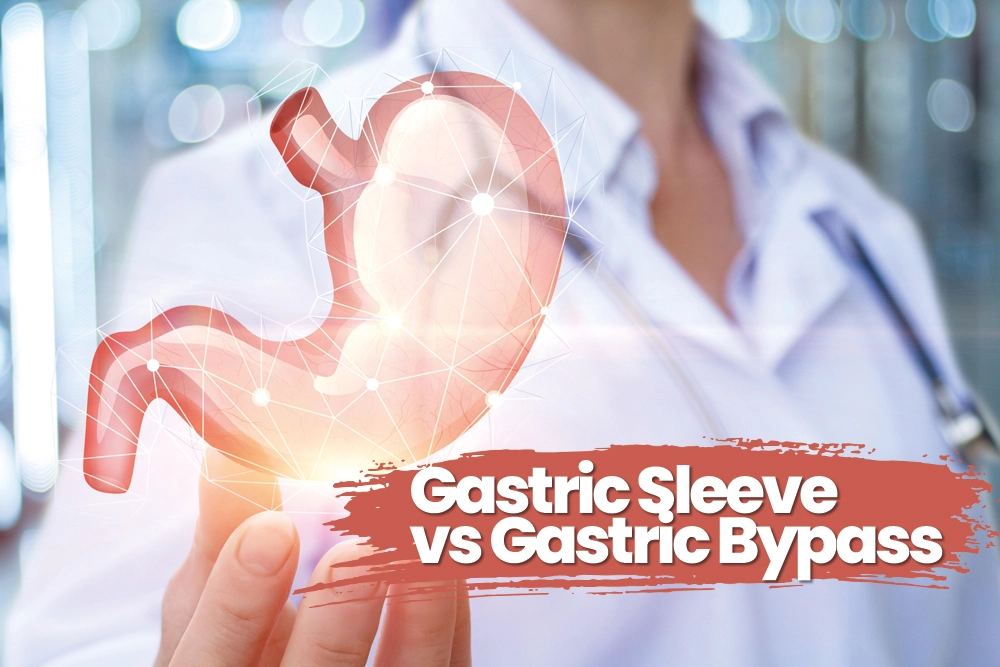
Gastric Sleeve vs Gastric Bypass. For anyone struggling with severe obesity, making the decision to undergo bariatric surgery is a monumental step towards a healthier future. However, once that decision is made, a new and often confusing question arises: “Which surgery is right for me?” The debate between the Gastric Sleeve (Sleeve Gastrectomy) and the Gastric Bypass (Roux-en-Y) is the most common dilemma patients face. Both procedures are powerful tools that offer life-changing weight loss and metabolic improvements, yet they function through fundamentally different mechanisms.
The Gastric Sleeve is a purely restrictive procedure, limiting food intake by reducing stomach size. The Gastric Bypass is both restrictive and malabsorptive, altering digestion to reduce calorie absorption. This comprehensive guide will dissect the critical differences between these two gold-standard surgeries, comparing their pros and cons, recovery timelines and suitability for specific health conditions like diabetes, empowering you to make an informed choice with the guidance of your medical team.
Pros and Cons Gastric Sleeve
The Gastric Sleeve has gained immense popularity due to its straightforward nature. Anatomically, it is simpler than a bypass. The surgeon removes approximately 80% of the stomach, leaving behind a banana-shaped “sleeve.”
- Pros: The primary advantage is that it does not involve rerouting the intestines, which preserves the natural digestive tract. This significantly lowers the risk of long-term vitamin deficiencies compared to bypass. It is also highly effective at reducing hunger because the portion of the stomach responsible for producing ghrelin (the hunger hormone) is removed.
- Cons: The most significant drawback is the potential for acid reflux. Because the new stomach is smaller and has higher internal pressure, it can exacerbate or cause GERD (Gastroesophageal Reflux Disease). For patients with severe pre-existing reflux, the sleeve might not be the ideal first choice.

Pros and Cons Gastric Bypass
The Roux-en-Y Gastric Bypass is often considered the “gold standard” of weight loss surgery, with decades of clinical data supporting its efficacy.
- Pros: It typically produces faster and slightly greater total weight loss than the sleeve. Its mechanism is twofold: it creates a small stomach pouch (restriction) and bypasses a portion of the small intestine (malabsorption). This combination makes it incredibly powerful for patients with a high BMI or those who consume sweets, as it discourages sugar intake via “Dumping Syndrome.”
- Cons: The rerouting of the intestines makes it a more complex surgery with a slightly higher risk of complications like bowel obstruction or ulcers. The malabsorptive component means patients must be strictly disciplined with lifelong vitamin and mineral supplementation to avoid serious deficiencies. Additionally, “Dumping Syndrome”—nausea and dizziness after eating sugar—can be uncomfortable, though some view it as a helpful deterrent.
Weight Loss Speed Comparison
When comparing weight loss speed, the Gastric Bypass generally offers a more rapid initial decline. Patients often see a dramatic drop in weight within the first 6 to 12 months due to the combined metabolic and malabsorptive effects. The Gastric Sleeve also offers excellent weight loss, but the trajectory might be slightly more gradual. Long-term studies show that after 2 to 3 years, the total weight loss between the two procedures often narrows, with both resulting in the loss of 60-80% of excess body weight, provided the patient adheres to lifestyle changes.
Which Surgery Is Safer?
Both surgeries are considered safe when performed by experienced bariatric surgeons in accredited facilities. However, because the Gastric Sleeve involves only the stomach and no intestinal rerouting, it technically has a slightly lower risk profile regarding long-term complications like internal hernias or vitamin malnutrition. The operative time for a sleeve is also generally shorter. That said, the safety gap has closed significantly with the advancement of laparoscopic techniques.
Recovery Time Comparison
Thanks to modern laparoscopic (keyhole) technology, the recovery time for both procedures is remarkably similar. Patients for both Sleeve and Bypass typically stay in the hospital for 3 to 4 days for monitoring. Most individuals can return to desk jobs within 1 to 2 weeks and resume exercise within 4 to 6 weeks. The primary difference lies in the internal healing; bypass patients may need to be slightly more cautious with dietary progression in the first few weeks to allow the new intestinal connections to heal securely.
Best Surgery For Diabetes
For patients suffering from Type 2 Diabetes, the Gastric Bypass is often hailed as the superior option. The surgery has a profound metabolic effect that goes beyond simple weight loss. By bypassing part of the intestine, it alters gut hormones (like GLP-1) that regulate blood sugar. Many patients experience remission of their diabetes almost immediately after surgery, often before significant weight is lost.
As Dr. Hakan from International Plus states: ‘While both surgeries offer significant weight loss, Gastric Bypass is often the preferred choice for patients with severe Type 2 Diabetes or severe acid reflux, due to its metabolic impact and pressure-reducing nature.’
Complications Comparison
Every surgery carries risk. For the Sleeve, the unique long-term complication is new-onset or worsening reflux. Staple line leaks are a rare but serious risk for both. For the Bypass, specific long-term risks include marginal ulcers (especially in smokers), bowel obstructions and dumping syndrome. Understanding your medical history is vital; for instance, if you take NSAIDs (like ibuprofen) regularly for chronic pain, a Bypass might increase the risk of ulcers, making a Sleeve a potentially safer option.
Vitamin Deficiency Risks
Malabsorption is a key feature of the Bypass, which directly translates to a higher risk of vitamin deficiency. Bypass patients must be rigorous about taking specific bariatric multivitamins, calcium, iron and Vitamin B12 for the rest of their lives. Failure to do so can lead to anemia, osteoporosis and neurological issues. While Sleeve patients also require supplements, their absorption rates are better, making the risk of severe deficiency lower if a dose is occasionally missed.
Diet After Surgery
The dietary progression from liquids to purees and then to solids is identical for both surgeries. However, the long-term diet after surgery differs slightly. Bypass patients have a built-in “alarm system” for sugar and high-fat foods called Dumping Syndrome, which causes nausea and cramping. This forces a strict adherence to healthy eating. Sleeve patients do not typically experience dumping, meaning they must rely more on self-discipline to avoid high-calorie soft foods (like milkshakes) which can slip through the sleeve and slow down weight loss.
Unsure which procedure fits your health profile? Get a free medical assessment from our bariatric experts at International Plus Obesity Clinic today.
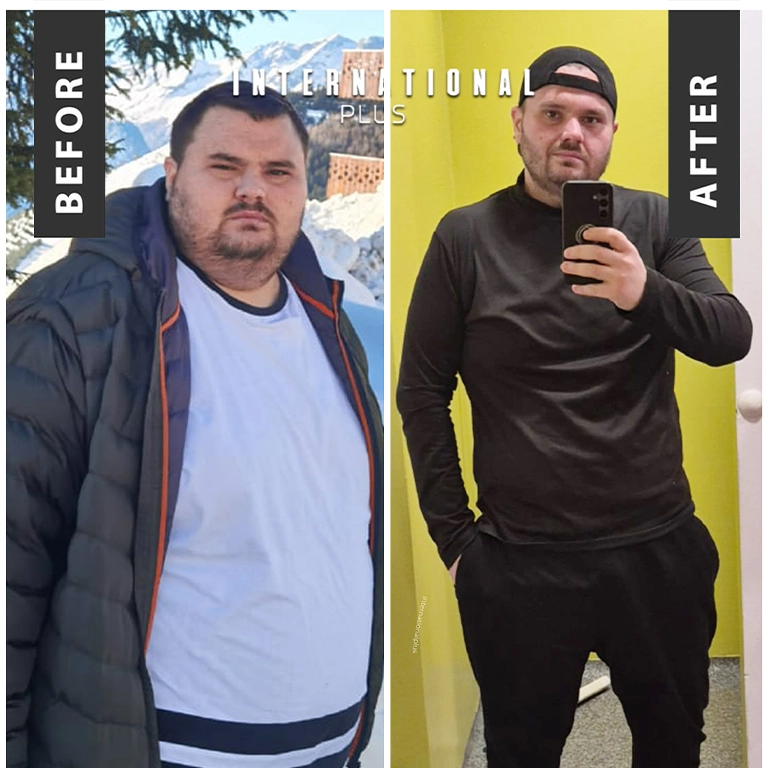
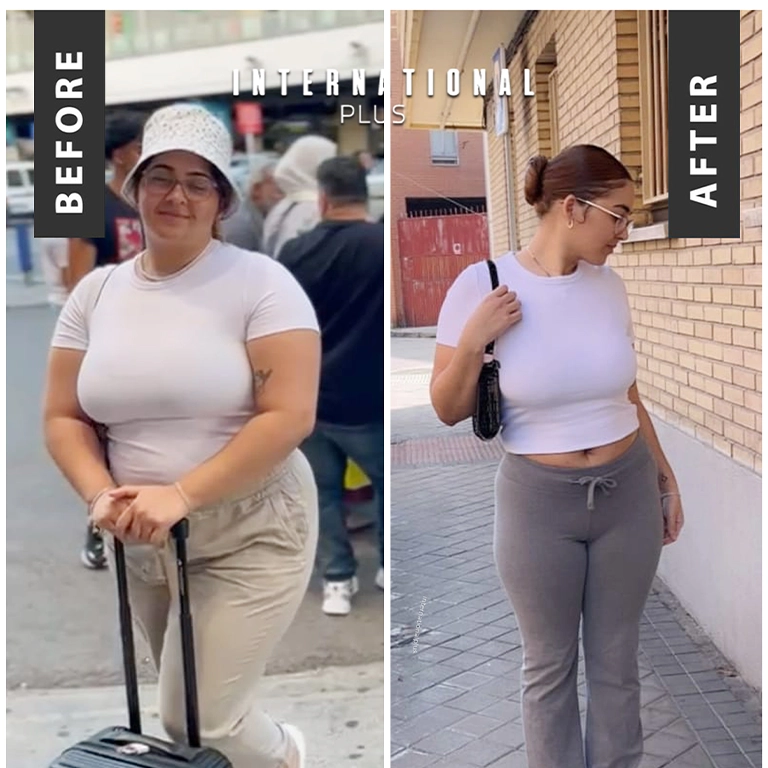
One of our patients, David from the UK, shares his experience: ‘Choosing between Sleeve and Bypass was hard. The team at International Plus analyzed my eating habits and suggested the Sleeve. It fit my lifestyle perfectly, and I’ve lost 45kg without feeling deprived.’
Gastric Sleeve vs Gastric Bypass
In summary, the choice between Gastric Sleeve vs Gastric Bypass is not about which surgery is “better” in the abstract but which is better for you.
- Choose Gastric Sleeve if: You have a lower BMI, no history of severe reflux, take anti-inflammatory medications or are concerned about the long-term risks of intestinal rerouting.
- Choose Gastric Bypass if: You have a very high BMI, suffer from severe Type 2 Diabetes or severe acid reflux (GERD) or need the extra discipline against sugar intake that dumping syndrome provides.
Frequently Asked Questions
Can I switch from Sleeve to Bypass later?
Yes, this is possible and is known as “revision surgery.” If a patient with a Gastric Sleeve experiences severe reflux or inadequate weight loss over time, the Sleeve can be converted into a Gastric Bypass. However, reversing a Bypass is extremely difficult and rare.
Which surgery is better for severe acid reflux (GERD)?
The Gastric Bypass is the preferred surgery for patients with severe GERD. The procedure reduces upward pressure on the esophageal sphincter, effectively curing reflux in most patients. Conversely, the high pressure within a Gastric Sleeve can sometimes worsen existing reflux.
Will I have loose skin after both surgeries?
Yes, rapid and significant weight loss from either procedure will likely result in loose skin. The amount depends on your age, genetics and how much weight you lose. Many patients opt for body contouring surgery (like a tummy tuck) 12 to 18 months after their bariatric procedure.
Is it cheaper to get gastric sleeve or bypass in Turkey?
Generally, the Gastric Sleeve is slightly cheaper than the Gastric Bypass because it requires less operating time and fewer surgical staples. However, both procedures are significantly more affordable in Turkey compared to the UK or USA, often costing up to 70% less while maintaining high medical standards.
Conclusion
The decision between Gastric Sleeve and Gastric Bypass is the first step in a lifelong journey toward health. There is no single “winner”; there is only the right tool for your specific body and medical history. While the Bypass offers metabolic power for diabetes and reflux, the Sleeve offers simplicity and lower long-term nutritional risks. Success depends on expert selection and your commitment to the process. At International Plus, our priority is to guide you toward the procedure that offers the safest, most sustainable path to your goals.
Your journey to a healthier life starts with the right decision. Explore our comprehensive Bariatric Surgery packages and book your consultation to find your perfect match.
At International Plus, we are dedicated to making your transformation as smooth as possible. We organize the entire process for you, including your appointments, VIP transfers, medical treatment and luxury accommodation. The only thing you need to arrange is your flight ticket.
Disclaimer: The content provided in this article is for informational and educational purposes only and does not constitute professional medical advice, diagnosis, or treatment. Every patient’s anatomy, health condition, and aesthetic goals are unique; therefore, individual results may vary. This information should not replace a personal consultation with a qualified healthcare professional. To understand the best options for your specific needs and to receive a personalized treatment plan, we invite you to book a free consultation with the expert medical team at International Plus.
Follow us on Social Media
internationalplusofficial
internationalplus
internationalplusdental
This content is written, reviewed, and approved by the International Plus Medical Review Board to ensure clinical accuracy and adherence to strict editorial standards. All medical information is regularly monitored, audited and updated in light of the latest scientific advancements.
However the information provided here is for general informational purposes only and cannot be used for self diagnosis or making individual health interpretations. Results of medical treatments depend on individual anatomy and the unique healing process of each patient. This information should not replace a personal consultation with a qualified healthcare professional. To understand the best options for your specific needs and to receive a personalized treatment plan, we invite you to book a free consultation with the expert medical team at International Plus.

International Plus was established from scratch in 2014 with the sole purpose of providing a world class center for plastic and cosmetic surgery by SAMİLSAN SAĞLIK HİZMETLERİ TURİZM DANIŞMANLIK TİCARET LİMİTED ŞİRKETİ International Plus has developed a worldwide reputation for its unique treatments and techniques. With over 10 years of experience, our talented medical experts are among the best in their respective fields. You are our priority. We are convinced that good communication between you and your surgeon is essential when planning your treatments. We offer realistic advice and the most suitable treatments for you.